


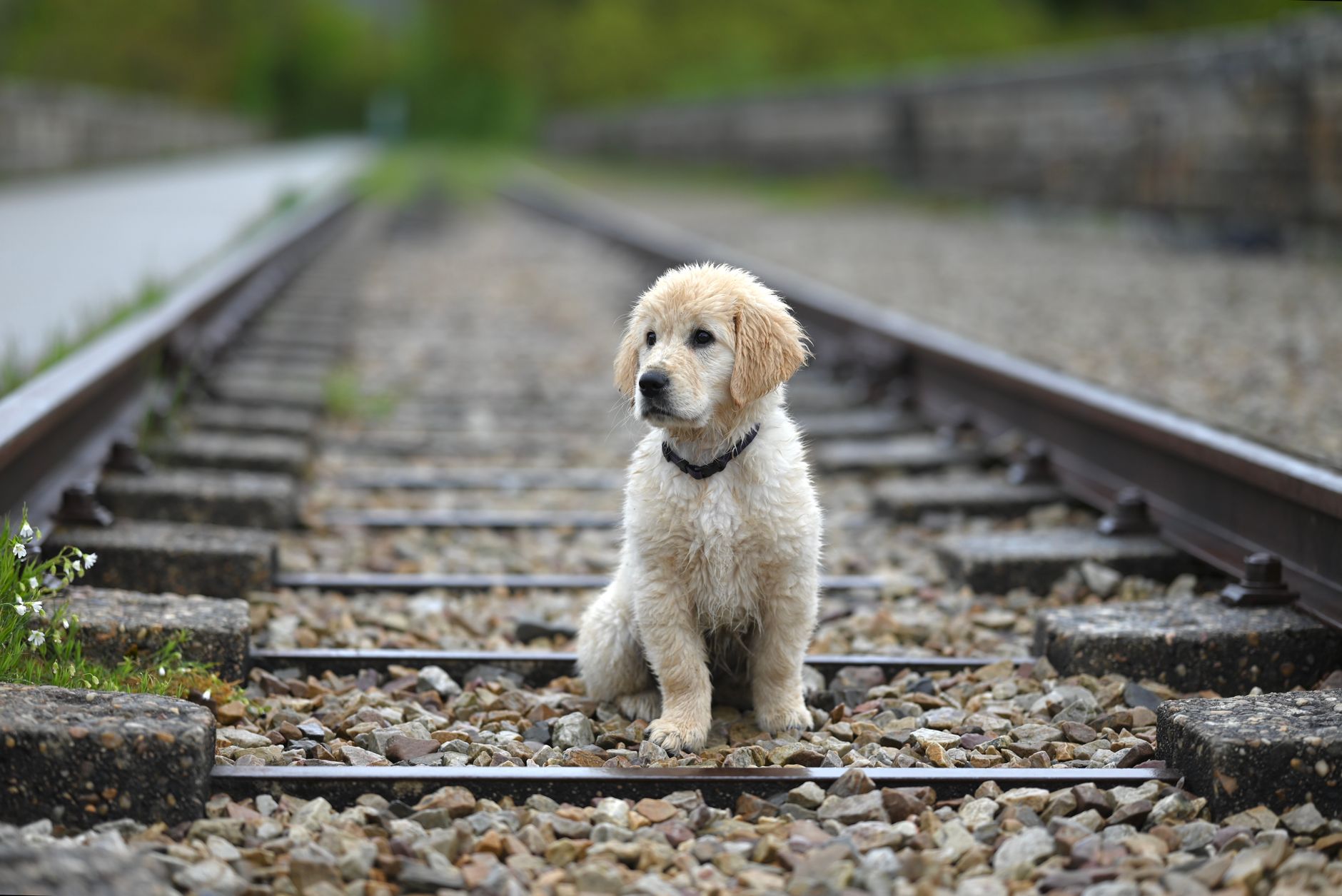
Effective housebreaking requires a blend of consistency, patience, and a deep understanding of canine biology. The process of teaching a puppy where to eliminate is not merely about discipline; it is about establishing a predictable routine that aligns with the developmental stage of the animal. When owners approach training with a structured methodology, the transition from indoor accidents to outdoor reliability happens significantly faster.
Understanding the Biological Clock of a Puppy
Puppies have limited bladder control, which directly correlates to their age. A general rule of thumb is that a puppy can hold their bladder for one hour for every month of age, plus one. However, this is a physiological estimate rather than a guarantee. Factors such as activity levels, hydration, and environmental temperatures influence how frequently a puppy needs to relieve themselves.
Recognizing the signs of an impending accident is the first step toward success. Common indicators include sudden sniffing of the floor, circling, restlessness, or moving toward a door. By observing these patterns, handlers can intervene before an accident occurs, which reinforces the desired behavior through positive reinforcement rather than reactive correction.
The Foundation of a Consistent Schedule
Consistency is the cornerstone of rapid potty training. A puppy thrives when they know exactly when they will be taken outside. The schedule should prioritize the following key windows:
- Immediately upon waking up in the morning.
- After every meal or significant intake of water.
- Following periods of vigorous play or training sessions.
- Immediately after waking from a nap.
- Right before being crated or left alone for a short period.
- Before bedtime.
By strictly adhering to these intervals, the puppy begins to associate specific times and environmental cues with the act of elimination. This predictability reduces anxiety in the puppy, as they learn that the opportunity to go outside is always forthcoming.
Utilizing Crate Training as a Management Tool
Crate training is widely considered one of the most effective methods for housebreaking. Dogs have an innate instinct to keep their sleeping area clean. When the crate is properly sized—large enough to stand, turn around, and lie down comfortably, but not so large that they can eliminate in one corner and sleep in another—it naturally encourages the puppy to hold their bladder.
When the puppy is not under direct supervision, the crate provides a secure environment that prevents accidents from happening throughout the house. It is essential to view the crate as a tool for management and rest, rather than a form of punishment. If the puppy has been in the crate, the immediate next action should be a trip to the designated outdoor potty spot.
Positive Reinforcement and the Role of Rewards
When a puppy eliminates in the correct outdoor location, the response should be immediate and positive. Providing a high-value treat or enthusiastic verbal praise within seconds of the act reinforces the connection between the location and the reward. The timing is critical; if the reward is delayed, the puppy may associate the treat with the act of walking back inside rather than the elimination itself.
Consistency in the command word is also vital. Using a short, specific phrase like “go potty” while the puppy is in the process of eliminating helps them associate that command with the action. Over time, the puppy will learn to perform on cue, which is particularly useful during inclement weather or time-sensitive situations.
Comparison of Common Potty Training Methods
| Method | Best For | Primary Advantage |
|---|---|---|
| Crate Training | Most puppies | Leverages natural denning instincts |
| Schedule-Based | Busy households | Creates high predictability |
| Paper/Pad Training | High-rise living | Convenient for immediate access |
| Bell Training | Communicative pups | Allows the dog to signal the owner |
Managing Accidents and Maintaining Progress
Accidents are an inevitable part of the training process. When an accident occurs, the most productive response is to clean the area thoroughly with an enzymatic cleaner. These cleaners are specifically designed to break down the proteins in urine, removing the scent entirely. If the scent remains, even if it is undetectable to humans, the puppy will likely return to that same spot to eliminate again.
Punishment or scolding after an accident has already occurred is counterproductive. Puppies do not possess the cognitive ability to link a punishment to a past event. Reacting negatively to an accident often leads to the puppy becoming fearful of eliminating in the presence of the owner, which can result in the puppy hiding to go to the bathroom indoors, making the training process significantly more difficult.
Troubleshooting Common Challenges
Even with a perfect plan, challenges may arise. Some puppies struggle with distractions outdoors, while others may experience regression during periods of growth or environmental change.
Distractions During Outdoor Time
If a puppy is too distracted to focus on the task, keep the outdoor time focused and calm. Avoid playing until the puppy has successfully eliminated. Once the goal is achieved, reward them with a play session, which serves as an additional incentive for finishing the business quickly.
Nighttime Needs
Young puppies may require a middle-of-the-night potty break. Keep these trips functional and quiet. Avoid turning on bright lights, talking, or engaging in play. The goal is to convey that nighttime is for rest and that the trip outdoors is strictly for elimination.
The Impact of Diet
Diet plays a significant role in the frequency and consistency of a puppy’s bowel movements. High-quality, easily digestible food leads to more predictable elimination patterns. Sudden changes in diet can cause digestive upset, which often manifests as an inability to hold the bladder or bowels, leading to training setbacks.
Frequently Asked Questions
How long does it take to potty train a puppy?
While every dog is unique, most puppies show significant progress within four to six weeks if a consistent schedule is maintained. Some may take longer depending on their breed, temperament, and the consistency of the training regimen.
Should I use puppy pads?
Puppy pads are helpful for apartment dwellers or those with limited access to outdoor space. However, they can sometimes create confusion, as the puppy may struggle to differentiate between a pad and a carpet. If using pads, transition them closer to the door over time and eventually remove them once the puppy is reliable.
What if my puppy only goes inside?
If a puppy avoids going outside, they may feel insecure in the outdoor environment. Try choosing a quiet, consistent spot and remain stationary. Ensure the area is safe and free from overwhelming stimuli until the puppy feels comfortable enough to focus on eliminating.
How do I know if my puppy is fully trained?
A puppy is generally considered house-trained when they have gone at least one month without a single accident in the house and proactively signal their need to go outside.
Final Reflections on Success
Achieving rapid results in potty training is the result of methodical, calm, and consistent management. By focusing on the puppy’s physiological needs, utilizing the crate as a positive tool for structure, and applying immediate, clear reinforcement, the training process becomes a manageable and successful endeavor.
The transition to a house-trained puppy requires patience, but the long-term benefits of a well-adjusted, reliable companion are profound. By maintaining a neutral, objective approach and sticking to the established schedule, the puppy will learn to navigate the household rules with ease. Focus on observing the puppy’s cues, ensuring the environment is set up for success, and remaining diligent during the initial weeks. This commitment to the process ensures that the puppy develops the habits necessary for a lifetime of comfortable, indoor living.
Featured Image Credit: Generated/Sourced via Runware.ai.
Disclaimer: This article is AI-generated for informational and educational purposes. While we strive to provide high-quality context and authority, the content should not be used as professional advice. The author/website assumes no liability for external links or factual omissions.
