


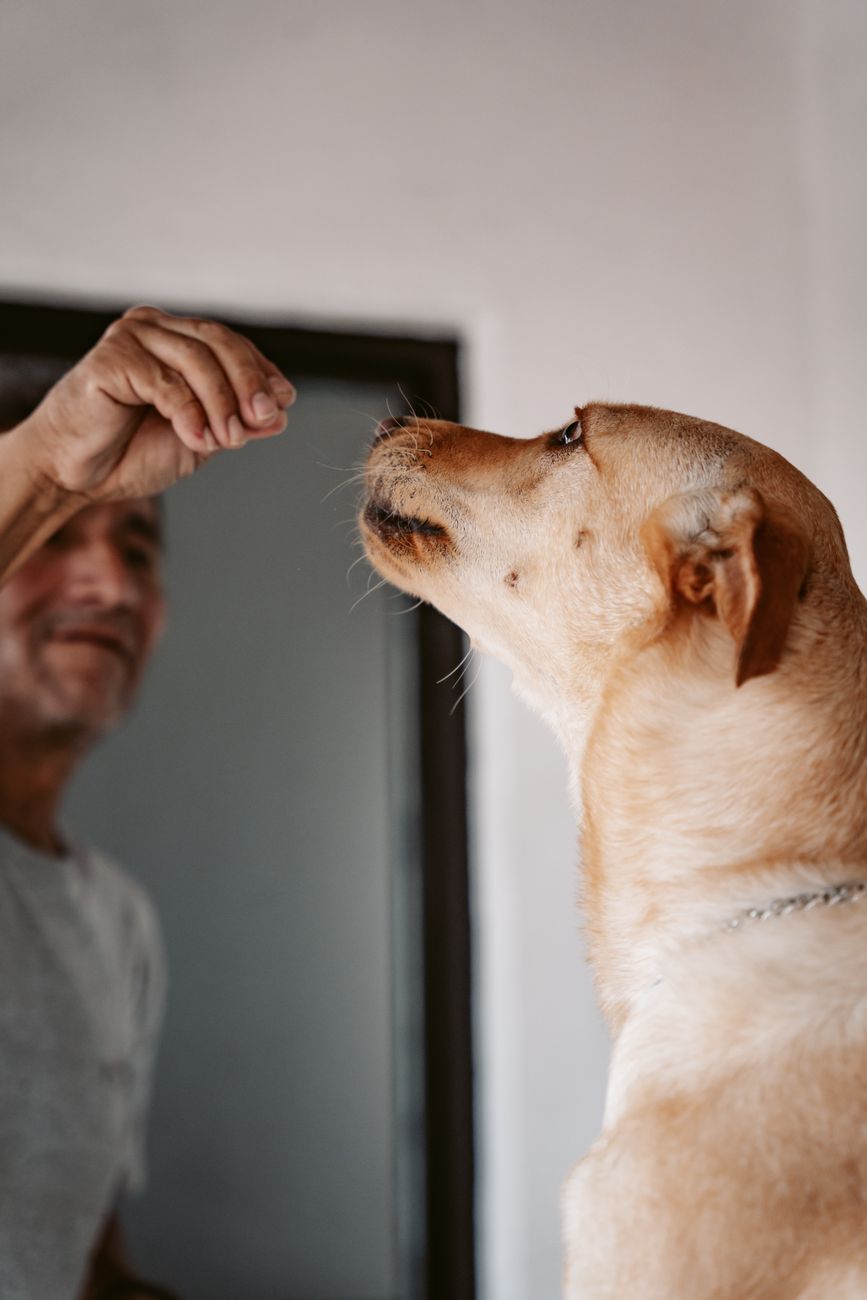
Positive reinforcement dog training represents a foundational approach to animal behavior modification, centering on the concept that behaviors followed by favorable outcomes are more likely to be repeated. Unlike outdated methods based on dominance or punishment, this technique focuses on rewarding desired actions, thereby fostering a cooperative relationship between the human handler and the canine. This methodology is grounded in operant conditioning, a psychological principle that explains how consequences shape voluntary behavior.
The Scientific Foundation of Positive Reinforcement
At its core, positive reinforcement is about timing and consistency. When a dog performs a requested behavior, such as sitting on command, and immediately receives a reward—whether in the form of a treat, praise, or play—the association between the action and the positive consequence strengthens. Over time, the dog learns that performing the behavior is the most efficient way to access high-value resources.
This process relies heavily on the “four quadrants of operant conditioning.” Positive reinforcement specifically involves adding a stimulus (the reward) to increase the frequency of a behavior. By focusing on what the dog does correctly rather than what they do wrong, trainers can minimize stress and anxiety, which are often byproducts of aversive training methods. Research indicates that dogs trained using reward-based systems often exhibit higher levels of engagement and faster learning curves compared to those subjected to fear-based corrections.
Essential Tools for Successful Training
Preparation is vital for beginners. Having the right equipment ensures that training sessions remain productive and focused.
- High-Value Treats: Use small, soft, and aromatic rewards that the dog can consume quickly without breaking their focus.
- Clickers: A mechanical device that produces a distinct sound to mark the exact moment a behavior is performed correctly. This provides clear communication, especially when the reward cannot be delivered instantaneously.
- Training Pouch: Keeps rewards accessible, allowing for immediate delivery upon the completion of a task.
- Long Leash: Useful for training recall and stays in outdoor settings while maintaining safety.
- Target Sticks: Helpful for guiding a dog into specific positions or teaching complex maneuvers through luring.
Comparing Training Approaches: A Clear Overview
Understanding how different training philosophies compare helps in choosing the most effective path for canine education.
| Feature | Positive Reinforcement | Aversive-Based Training |
|---|---|---|
| Primary Driver | Motivation and reward | Fear and avoidance |
| Learning Speed | Generally faster and more durable | Variable; risk of learned helplessness |
| Relationship Impact | Builds trust and cooperation | Can create conflict and anxiety |
| Long-term Behavior | Highly reliable and sustainable | Often requires constant escalation |
Core Training Principles for Beginners
Marking the Behavior
The “mark” is a signal that tells the dog, “That specific action you just did is what earns you a reward.” A clicker is the most precise marker, but a verbal cue like “Yes!” works equally well if delivered with consistent timing. The marker must occur at the exact moment the behavior happens, not seconds later, to ensure the dog makes the correct association.
Shaping Behaviors
Complex behaviors are rarely mastered in a single attempt. Shaping involves breaking a final goal into smaller, achievable increments. For example, when teaching a dog to lie down, a trainer might first reward the dog for simply looking toward the floor, then for lowering the head, and finally for touching the chest to the ground. This systematic progression prevents frustration and keeps the dog motivated.
The Power of Variable Reinforcement
Once a behavior is well-established, it is not necessary to provide a treat every single time. Transitioning to a variable reinforcement schedule—where rewards are given intermittently—can actually make the behavior more resistant to extinction. This mimics natural patterns where the dog learns that persistence eventually pays off, keeping them actively engaged in the training process.
Addressing Common Behavioral Challenges
Beginners often encounter obstacles that are easily managed with patience and objective observation. If a dog ignores a command, it is rarely due to stubbornness. More often, the environment may be too distracting, the reward value may be too low, or the dog may not fully understand the cue.
- Distraction Management: Start training in quiet, familiar environments before gradually introducing external stimuli like public parks or busy sidewalks.
- Duration, Distance, and Distraction (The 3 Ds): Increase only one variable at a time. If a dog cannot hold a “stay” for ten seconds, do not attempt to increase the distance from the dog until the duration is solid.
- Refining Cues: Ensure commands are consistent. Using “down” to mean both “lie down” and “get off the couch” causes confusion. Use distinct verbal cues for different actions.
Frequently Asked Questions
How long should each training session last?
Keep sessions brief, typically between five to ten minutes. Short, frequent sessions are more effective for maintaining a dog’s focus than one long, exhausting hour.
Does using treats mean the dog will only listen when food is present?
Not necessarily. Treats are used to teach the behavior. Once the action is habitual, the reward system shifts toward life rewards, such as walks, play, or affection, reducing the reliance on food.
What is the best way to handle unwanted behavior?
The most effective strategy is to manage the environment to prevent the behavior from occurring in the first place, while simultaneously redirecting the dog to a desired activity. For instance, if a dog jumps on guests, provide a designated mat or station where they are rewarded for lying down as people enter.
Can older dogs learn new behaviors?
Yes. Dogs are capable of learning throughout their lives. While puppies may have shorter attention spans, older dogs often possess better impulse control and focus, making them excellent candidates for new training.
When should I seek professional help?
If a dog exhibits signs of severe aggression, extreme anxiety, or resource guarding, it is advisable to consult a certified professional trainer or veterinary behaviorist. These situations require specialized expertise to ensure safety for both the owner and the dog.
Conclusion and Next Steps
Positive reinforcement training is a dynamic, science-based approach that prioritizes the welfare and mental state of the dog. By focusing on rewarding success rather than punishing failure, handlers can cultivate a reliable, confident, and eager canine companion. Mastery of these techniques requires patience, a commitment to consistent timing, and an understanding of how dogs learn.
The journey begins with selecting a high-value reward and identifying a clear, consistent marker. As proficiency grows, the focus shifts to generalizing behaviors across different environments and gradually fading food rewards in favor of life experiences. This process is not merely about achieving obedience; it is about establishing a functional language between species. As the dog learns to navigate human expectations through these clear, positive channels, the result is a deeper bond and a more harmonious living environment. Begin with simple foundations, remain objective in assessing progress, and maintain the enthusiasm that makes training a rewarding experience for both ends of the leash.
Featured Image Credit: Generated/Sourced via Runware.ai.
Disclaimer: This article is AI-generated for informational and educational purposes. While we strive to provide high-quality context and authority, the content should not be used as professional advice. The author/website assumes no liability for external links or factual omissions.
