


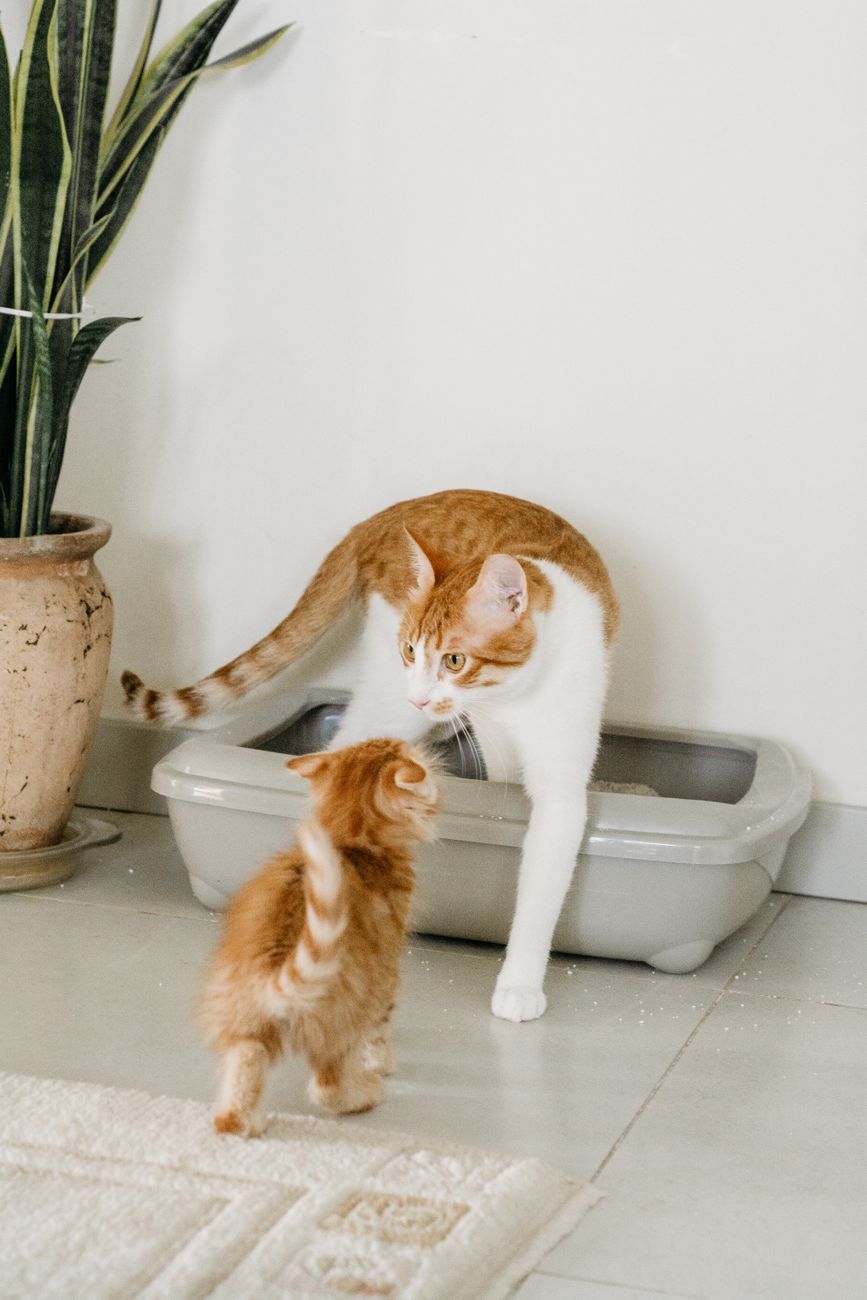
Litter training is a fundamental milestone in the life of a young feline. While kittens often exhibit an innate instinct to dig and bury waste, the transition to a domestic litter box requires patience, the right equipment, and a consistent routine. Understanding the biology and behavioral psychology of cats is key to ensuring that this process is seamless and free of accidents. By focusing on accessibility, hygiene, and positive reinforcement, caregivers can establish lifelong healthy habits for their new companions.
Creating the Ideal Litter Box Environment
The physical setup of the litter area significantly influences a kitten’s willingness to use the box. Kittens have limited physical coordination and bladder control, meaning the box must be easy to navigate. A shallow-sided container is often the best starting point, as it allows the kitten to step in and out without straining. As the cat grows, the box size should be adjusted to accommodate their length and weight, ensuring they have enough room to turn around comfortably.
Placement plays a critical role in success. Kittens are easily distracted and may avoid a box that is located in a high-traffic or noisy area. A quiet, low-traffic corner provides the privacy that cats naturally seek when attending to their needs. Furthermore, the box should be kept away from food and water stations. Domestic cats possess a strong instinct to separate their elimination areas from their dining spaces, a trait inherited from their wild ancestors to prevent the contamination of resources.
Choosing the Right Litter Material
The texture of the litter is just as important as the box itself. Most kittens prefer fine-grained, unscented clay litter, as it mimics the feel of natural sand or soft earth. While there are many scented options on the market, these can be overwhelming to a kitten’s sensitive olfactory system. A strong fragrance might deter a kitten from approaching the box entirely.
When selecting a substrate, consider the following factors:
- Texture: Fine-grained substrates are gentle on paws and easy to dig.
- Dust levels: Low-dust formulas help maintain respiratory health.
- Clumping ability: Clumping litters simplify the cleaning process, ensuring the box remains hygienic.
- Safety: Ensure the litter is non-toxic, as kittens may occasionally ingest small amounts while grooming.
Establishing a Consistent Routine
Consistency acts as a foundation for behavioral training. Kittens thrive on predictable schedules, and litter training is no exception. A helpful approach involves placing the kitten in the box shortly after they wake up, after a meal, or following an active play session. These are the times when a kitten is most likely to need to eliminate.
If a kitten successfully uses the box, positive reinforcement—such as gentle verbal praise or a small treat—can help solidify the behavior. It is important to avoid punishment or raised voices if an accident occurs. Punishment creates anxiety, which often leads to further avoidance of the litter box and can damage the bond between the caregiver and the pet. If an accident happens, clean the area thoroughly with an enzymatic cleaner to remove all traces of scent, which prevents the kitten from returning to that spot out of habit.
Comparison of Litter Box Types
| Feature | Open Litter Boxes | Enclosed/Hooded Boxes | Automatic Boxes |
|---|---|---|---|
| Accessibility | High; easy for kittens | Moderate; may feel confined | Low; noise can be scary |
| Odor Control | Relies on scooping | Better at trapping odors | Excellent with sensors |
| Space | Minimal footprint | Requires more room | Significant space needed |
| Maintenance | Manual daily scooping | Manual daily scooping | Hands-free cleaning |
Monitoring Health and Behavior
A sudden change in litter box habits often serves as an indicator of an underlying health issue. If a kitten that was previously trained begins to have accidents, it is vital to observe their behavior closely. Signs of straining, frequent trips to the box with little output, or vocalizing while eliminating can indicate a urinary tract infection or other medical discomfort. In such cases, consulting a veterinarian is the most responsible course of action to rule out physical ailments before assuming the issue is behavioral.
Environmental changes can also trigger regression. A move to a new house, a new family member, or even a change in the brand of litter can disrupt a kitten’s sense of security. If a change is necessary, such as switching to a different type of litter, it is advisable to do so gradually by mixing the new litter with the old over the course of a week. This allows the kitten to adapt to the change without feeling overwhelmed.
Maintenance and Hygiene Standards
The cleanliness of the litter box is perhaps the most significant factor in long-term compliance. Cats are fastidious animals by nature. A box that is not scooped daily can become unappealing, leading the kitten to search for cleaner alternatives. Daily scooping removes waste, while a full change of litter and a scrub of the box with mild, scent-free soap should occur periodically to prevent the buildup of bacteria.
It is also important to maintain the correct number of boxes. The general rule of thumb is to provide one box for every cat, plus one additional unit. Even for a single kitten, having two boxes in different locations can be beneficial, especially if the kitten is in a large living space and cannot reach the primary box in time.
Troubleshooting Common Issues
If a kitten continues to struggle with litter training, assess the situation from the kitten’s perspective. Are the sides of the box too high? Is the litter too deep or too shallow? Is the location too exposed? By systematically adjusting these variables, caregivers can usually identify the source of the hesitation.
Another common point of confusion is the “litter box aversion” caused by previous negative experiences. If a kitten was startled by a loud noise while in the box, they may develop a fear of that specific location. Moving the box to a new, calm area can often resolve this association. Additionally, ensuring that the litter box is large enough for the kitten to dig comfortably is essential. If the box is too cramped, the kitten may step outside the box while attempting to cover their waste, leading to accidental messes on the floor.
Summary of Best Practices
Successfully litter training a kitten requires a blend of environment management and patience. By prioritizing the kitten’s comfort and maintaining a clean, accessible space, the transition to using the litter box becomes a natural part of their daily routine.
- Start small: Use shallow boxes for easy entry.
- Keep it clean: Scoop daily to encourage consistent use.
- Observe: Watch for signs of illness if habits change suddenly.
- Be patient: Avoid scolding, as it creates unnecessary stress.
- Placement matters: Choose quiet, accessible locations away from food.
By following these objective guidelines, caregivers can create a supportive environment that encourages the kitten to develop healthy habits. Litter training is a process of building trust and providing the necessary resources for the cat to thrive in a domestic setting. With a focus on cleanliness, proper equipment, and a consistent routine, the majority of kittens will master these skills quickly, ensuring a harmonious living environment for both the pet and the household.
Featured Image Credit: Generated/Sourced via Runware.ai.
Disclaimer: This article is AI-generated for informational and educational purposes. While we strive to provide high-quality context and authority, the content should not be used as professional advice. The author/website assumes no liability for external links or factual omissions.
