


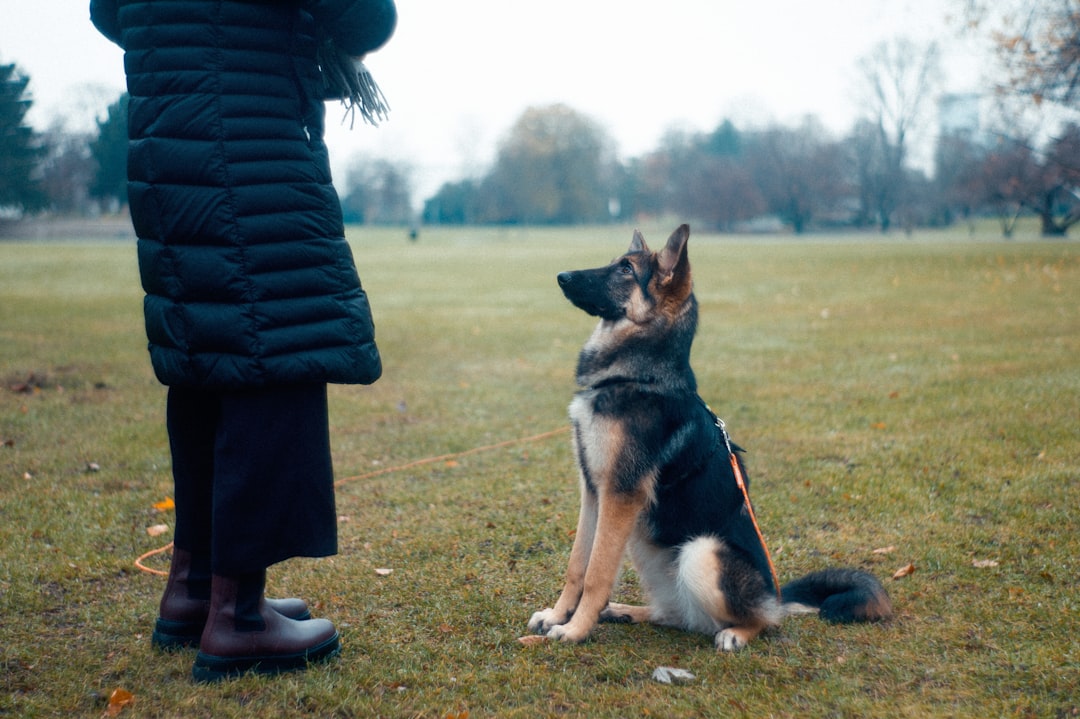
Positive reinforcement is a training methodology centered on the principle that behaviors followed by a desirable consequence are more likely to be repeated. By focusing on rewarding correct actions rather than punishing mistakes, owners create a communication system based on clarity and mutual respect. This approach is widely supported by veterinary behaviorists and animal trainers as the most effective and humane way to shape pet behavior.
The Science Behind Reward-Based Learning
At its core, positive reinforcement operates on the principles of operant conditioning. When an animal performs a behavior and receives a reward, the association between that action and the positive outcome strengthens. This neurological process encourages the pet to offer the behavior again in hopes of receiving the same outcome. Unlike traditional methods that rely on intimidation or physical correction, this technique focuses on identifying what motivates the individual animal, whether that involves food, praise, play, or access to desired environments.
Research indicates that animals trained through positive reinforcement often exhibit lower levels of stress and anxiety. By removing the fear of punishment, the animal becomes an active participant in the training process, leading to increased confidence and faster learning curves. This method shifts the dynamic from one of compliance based on avoidance to one of cooperation based on engagement.
Essential Tools for Successful Training
Effective training requires preparation and the right equipment to facilitate communication. Because timing is critical, using tools that provide immediate feedback helps the animal understand exactly which action earned the reward.
- High-Value Treats: Soft, small, and aromatic rewards that can be consumed quickly without interrupting the training flow.
- Clickers or Marker Words: A distinct sound or word used to signal the exact moment a correct behavior occurs, bridging the gap between the action and the delivery of the reward.
- Training Pouch: A convenient way to keep rewards accessible, ensuring the owner can respond instantly to the pet’s success.
- Distraction-Free Environment: Starting in a quiet area allows the pet to focus on the task before graduating to more challenging settings.
Core Techniques for Shaping Behavior
Shaping involves breaking down a complex behavior into smaller, manageable steps. If the goal is to teach a pet to sit, the process begins by rewarding any slight movement toward the final position. As the animal gains proficiency, the criteria for receiving a reward become more specific, eventually requiring the full behavior before the reinforcement is provided.
Luring is another common technique where a reward is used to guide the pet into a specific posture. For example, holding a treat near a dog’s nose and moving it upward and backward naturally encourages the animal to lower its hindquarters into a sit. Once the behavior is consistent, the lure is gradually faded, and a verbal cue or hand signal is introduced to replace the physical guidance.
Comparison of Training Methodologies
| Feature | Positive Reinforcement | Aversive-Based Training |
|---|---|---|
| Primary Focus | Rewarding desired behavior | Punishing undesired behavior |
| Emotional Impact | Builds confidence and trust | May induce fear or anxiety |
| Long-term Results | Durable and reliable | Risk of behavior suppression |
| Communication | Clear and collaborative | Often ambiguous or confusing |
| Relationship | Strengthens the human-animal bond | May damage the bond |
Managing Unwanted Behaviors Through Redirection
Positive reinforcement is not just about teaching commands; it is also a powerful tool for managing problematic habits. If a pet displays an unwanted behavior, the focus should be on redirecting the animal toward an acceptable alternative. For instance, if a pet is chewing on furniture, providing a durable chew toy immediately offers an appropriate outlet for the behavior. Once the pet engages with the toy, that interaction is reinforced, teaching the animal that chewing on toys is more rewarding than interacting with household items.
This strategy prevents the need for confrontation and keeps the training session productive. By consistently rewarding the desired alternative, the frequency of the unwanted behavior naturally decreases over time because it no longer serves a purpose for the animal.
The Role of Consistency and Timing
Consistency is the most vital component of any training program. If a behavior is rewarded sometimes but ignored at other times, the animal may become confused, leading to frustration. Every person in the household should agree on the cues and the standards for rewards to ensure the pet receives uniform feedback.
Timing the reward is equally important. The marker—whether a click or a word—must occur the instant the behavior is performed. If the reward is delayed, the animal might associate the treat with a subsequent action, such as looking away or moving, rather than the intended behavior. Practice sessions should be kept short, typically five to ten minutes, to maintain the pet’s interest and prevent fatigue.
Addressing Common Questions
How long does it take to see results with positive reinforcement?
Progress varies depending on the complexity of the behavior and the pet’s history. Simple behaviors can often be learned in a few short sessions, while more complex tasks require weeks of consistent practice.
What should be done if the pet stops responding to treats?
If a pet loses interest, the value of the reward may be too low, or the pet may be satiated. Try using a variety of high-value treats or switching to a different motivator, such as a favorite toy, to re-engage their focus.
Is it possible to over-reward a pet?
During the initial learning phase, frequent rewards are necessary to build a strong association. As the behavior becomes more reliable, the frequency of rewards can be reduced to an intermittent schedule, which often makes the behavior more resistant to extinction.
Can older pets learn new behaviors using these methods?
Absolutely. Positive reinforcement is highly effective for animals of all ages. Older pets may simply require more patience and shorter, more frequent sessions to adapt to new routines.
Conclusion
Positive reinforcement transforms the training process into a collaborative effort that benefits both the owner and the pet. By prioritizing clear communication and rewarding success, owners can foster a cooperative environment where pets feel safe and motivated to learn. This method relies on the understanding that learning is most efficient when the animal is engaged and confident.
To maximize success, focus on patience and observation. Pay close attention to what motivates the specific animal and remain consistent with the markers and rewards chosen. As skills improve, the reliance on constant treats will naturally transition into a relationship where verbal praise and play are sufficient. This foundation of trust not only results in a well-behaved companion but also deepens the connection shared between the owner and the pet, paving the way for a harmonious life together. Consistent practice and a commitment to understanding the animal’s perspective remain the most reliable path toward achieving long-term behavioral goals.
Featured Image Credit: Generated/Sourced via Unsplash.
Disclaimer: This article is AI-generated for informational and educational purposes. While we strive to provide high-quality context and authority, the content should not be used as professional advice. The author/website assumes no liability for external links or factual omissions.
