


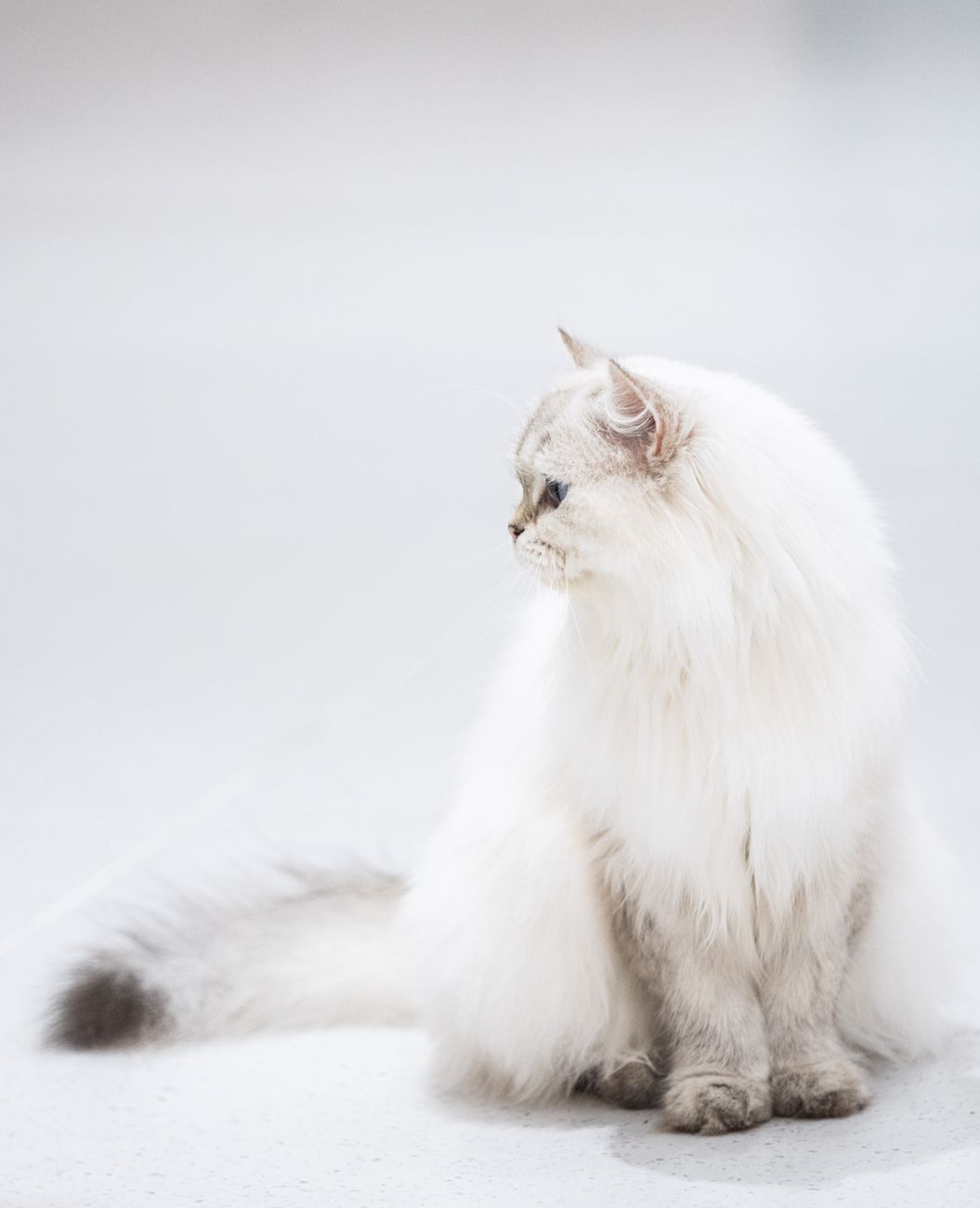
Maintaining the coat of a long-haired cat requires consistency, patience, and the right set of tools. Unlike short-haired breeds, long-haired felines—such as Persians, Maine Coons, and Ragdolls—possess a dense undercoat that traps loose fur, skin oils, and debris. Without a structured grooming routine, these cats are highly susceptible to painful matting, which can lead to skin infections and discomfort. Establishing a proactive care schedule prevents these issues and serves as a vital health check for the animal.
Why Long-Haired Cats Require Specialized Care
The primary challenge with long-haired breeds is the speed at which their fur can form knots. When loose hair is not removed, it interweaves with healthy fur, creating tight mats near the skin. These mats act like sponges, trapping moisture and bacteria, which often results in hotspots or dermatitis. Regular grooming does more than keep the cat looking pristine; it stimulates blood circulation to the skin and helps distribute natural oils, keeping the coat shiny and resilient.
Beyond physical health, grooming sessions function as a preventative diagnostic tool. Frequent handling allows for the early detection of lumps, bumps, parasites like fleas or ticks, and unusual skin discolorations. By incorporating a routine, owners can address minor issues before they necessitate a visit to a veterinarian.
Essential Tools for an Effective Grooming Kit
Selecting the right equipment is the foundation of a successful grooming session. Using the wrong brush can pull at the skin or fail to reach the undercoat entirely. A comprehensive kit should include:
- Stainless Steel Greyhound Comb: The most versatile tool for identifying hidden mats and clearing the undercoat.
- Slicker Brush: Excellent for removing loose fur and smoothing out the topcoat.
- Detangling Rake: Specifically designed for thick, long coats to reach the base of the hair without damaging the top layer.
- Wide-Toothed Comb: Useful for initial passes on very long, fine hair.
- Safety Scissors: Essential for carefully trimming fur around the sanitary areas or pads, though they should be used with extreme caution.
Establishing a Consistent Grooming Schedule
For long-haired cats, a “once-in-a-while” approach is rarely sufficient. A proactive schedule is necessary to keep the coat manageable.
Daily Maintenance
A quick, five-minute session every day prevents the buildup of debris and keeps the cat accustomed to being handled. Focus on high-friction areas such as the armpits, the base of the tail, and behind the ears, as these are the most common spots for mats to develop.
Weekly Deep Grooming
Once a week, dedicate a longer session to a thorough inspection. Use the detangling rake to ensure no knots have formed near the skin. This is the time to check the ears for wax buildup and the eyes for discharge, which is particularly common in flat-faced breeds.
Seasonal Transitions
During shedding seasons—typically spring and autumn—the frequency of grooming should increase. A cat’s coat density changes significantly during these times, and daily brushing is essential to prevent the ingestion of excessive fur, which reduces the risk of hairball-related complications.
Comparison of Grooming Tools for Long-Haired Breeds
| Tool Type | Primary Function | Ideal For |
|---|---|---|
| Slicker Brush | Removes loose hair/undercoat | Daily maintenance |
| Steel Comb | Identifying and removing mats | Deep grooming sessions |
| Detangling Rake | Reaching deep undercoat | Thick, heavy-coated breeds |
| Wide-Toothed Comb | Detangling long, fine hair | Initial grooming passes |
Step-by-Step Grooming Technique
Effective grooming follows a specific order to ensure the entire body is covered without causing stress to the cat.
- Preparation: Choose a quiet area with good lighting. Allow the cat to investigate the tools before beginning.
- The Undercoat First: Use the detangling rake to work through the thickest parts of the coat. Always move in the direction of hair growth to avoid pulling.
- Mat Detection: Use the steel comb to check for resistance. If the comb stops, a mat is present. Gently work it out with fingers or a specialized detangling spray before using the comb again.
- Topcoat Smoothing: Finish with the slicker brush to smooth the outer layer of the fur, providing a polished appearance.
- Positive Reinforcement: Offer a high-value treat or play session immediately after grooming to associate the experience with positive outcomes.
Addressing Specific Grooming Challenges
Managing Mats and Tangles
If a mat is discovered, never attempt to pull it apart forcefully. Use a small amount of cornstarch or a pet-safe detangling spray to lubricate the hair fibers. If the mat is tight against the skin, it is safer to have it professionally removed by a veterinarian or a certified groomer to prevent accidental skin cuts.
Sanitary Grooming
Long hair around the hindquarters can trap waste. Trimming this area—known as a sanitary clip—is a practical necessity for many long-haired cats. If uncomfortable with using scissors, electric clippers designed for pets are a safer alternative, provided they are quiet and low-vibration.
Bathing Considerations
While most cats are self-grooming, some long-haired breeds may require an occasional bath if they become soiled or if they are prone to excessive oil buildup. Only use shampoos specifically formulated for cats, as human products can disrupt their skin pH and be toxic if ingested during self-grooming.
Frequently Asked Questions
How often should a long-haired cat be brushed?
At minimum, a thorough brushing session should occur 3 to 4 times per week. Daily brushing is ideal for breeds with exceptionally thick coats to prevent matting.
What is the best way to handle a cat that dislikes grooming?
Start with very short sessions—only 30 seconds to a minute—and pair them with treats. Gradually increase the time as the cat becomes more tolerant. Never force the process, as this creates a negative association.
Can I use human hairbrushes on my cat?
It is generally not recommended. Human brushes are designed for a different hair texture and scalp sensitivity. Pet-specific tools are engineered to reach the undercoat and effectively remove loose fur without scratching the skin.
When should I see a professional groomer?
If a cat develops large, hard mats that cannot be combed out, or if the cat shows signs of skin irritation, bleeding, or significant hair loss, a professional groomer or veterinarian should be consulted immediately.
Does diet affect the coat quality?
Yes. A diet rich in Omega-3 and Omega-6 fatty acids supports skin health and coat luster. High-quality protein sources are essential for the structural integrity of the hair follicles.
Final Reflections on Coat Maintenance
Consistency remains the most significant factor in the health of a long-haired cat. By treating grooming as a recurring health habit rather than an aesthetic chore, owners can ensure their cats remain comfortable and free from the pain of matting. The process requires observation—noticing changes in the skin or the texture of the fur is just as important as the physical act of brushing.
As the routine becomes established, it will naturally become a stress-free interaction that strengthens the bond between the owner and the animal. By utilizing the correct tools, adhering to a regular schedule, and knowing when to seek professional assistance, the long-term maintenance of a long-haired cat becomes a manageable and rewarding aspect of pet ownership. Focus on the base of the hair, maintain patience during detangling, and keep the equipment clean to ensure the best possible results for the cat’s long-term wellbeing.
Featured Image Credit: Generated/Sourced via Runware.ai.
Disclaimer: This article is AI-generated for informational and educational purposes. While we strive to provide high-quality context and authority, the content should not be used as professional advice. The author/website assumes no liability for external links or factual omissions.
