


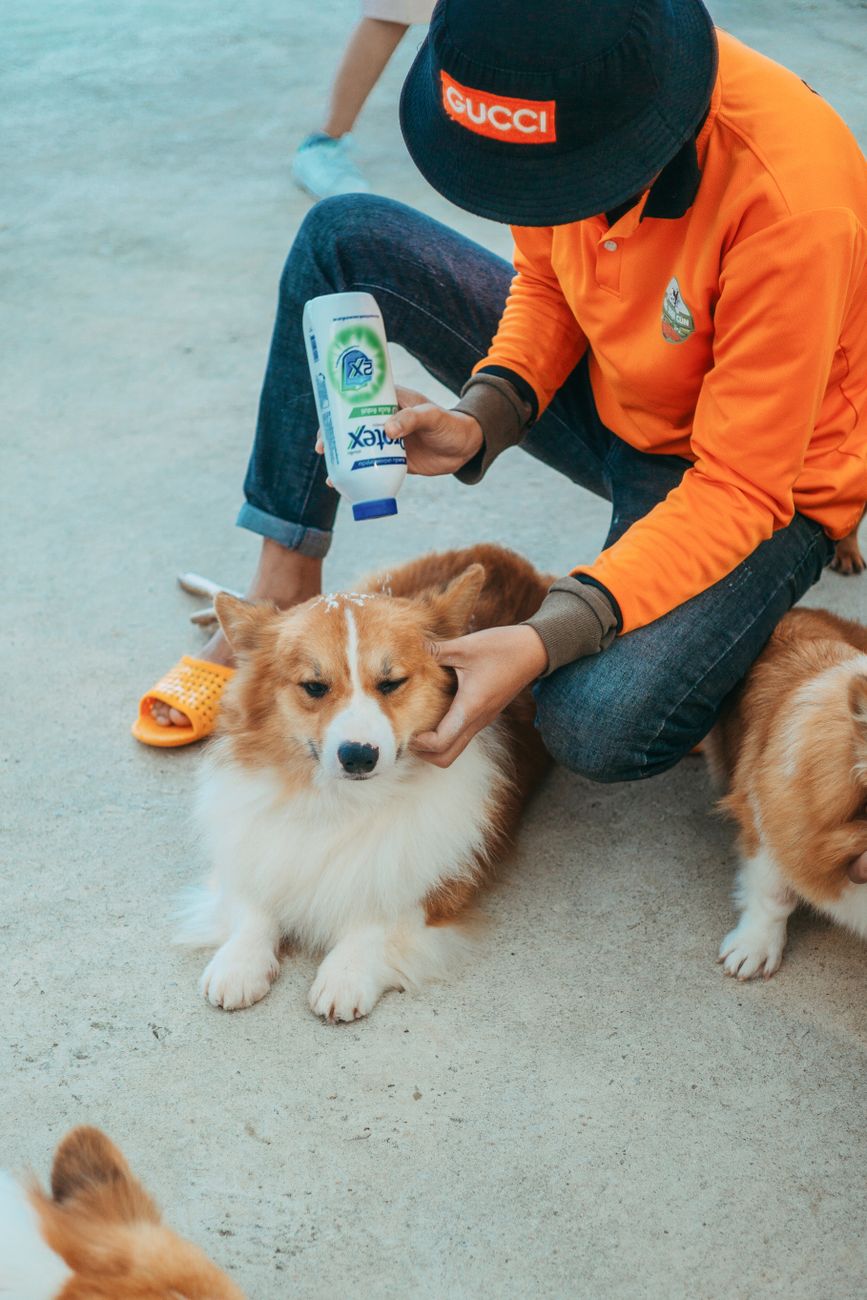
Managing persistent scratching, redness, or skin inflammation in pets requires a strategic approach to grooming. When a dog or cat displays signs of dermatological distress, the choice of shampoo becomes one of the most critical factors in providing relief. Selecting a product that addresses the root cause of the itch while maintaining the integrity of the skin barrier is essential for long-term comfort.
Understanding the Causes of Pet Skin Irritation
Skin irritation in pets often stems from a combination of environmental and biological factors. Identifying the trigger is the first step toward choosing an effective treatment. Common culprits include seasonal allergies to pollen or grass, reactions to food proteins, or infestations by parasites like fleas and mites.
When the skin barrier is compromised, it loses moisture and becomes susceptible to allergens and bacteria. Frequent scratching further damages the surface, leading to secondary infections. Using a harsh, high-pH shampoo can strip away natural oils, exacerbating the problem. Instead, products formulated with a neutral pH—specifically designed for the unique composition of animal skin—help restore the lipid barrier.
Key Ingredients That Soothe Itchy Skin
Effective shampoos for itchy pets rely on specific active and soothing ingredients that calm inflammation. Rather than masking the issue with heavy fragrances, high-quality shampoos utilize natural compounds known for their therapeutic properties.
- Oatmeal: Finely ground colloidal oatmeal provides immediate relief by forming a protective layer over the skin, locking in moisture and reducing redness.
- Aloe Vera: Known for its cooling properties, aloe vera helps hydrate dry patches and promotes the healing of minor abrasions caused by scratching.
- Omega Fatty Acids: Ingredients like fish oil or flaxseed oil help replenish the skin’s natural oils, which is vital for pets with chronic dryness.
- Ceramides: These lipid molecules are essential for maintaining skin hydration and strengthening the barrier against environmental irritants.
- Chamomile and Calendula: These botanical extracts offer natural anti-inflammatory benefits, making them ideal for sensitive or hot-spotted skin.
Evaluating Shampoo Formulations
Not all shampoos are created equal, and the formulation process significantly impacts the outcome. Veterinary-grade products often undergo rigorous testing to ensure they do not cause further irritation. When evaluating options, consider the difference between medicated and moisturizing formulas.
Medicated shampoos often contain ingredients like chlorhexidine or ketoconazole, which are designed to combat bacterial or fungal overgrowth. These should only be used under professional guidance, as they can be drying if used too frequently. Conversely, moisturizing shampoos are intended for regular use, focusing on hydration and soothing the outer layer of the skin.
Comparison of Common Shampoo Types
| Shampoo Type | Primary Benefit | Best For |
|---|---|---|
| Colloidal Oatmeal | Deep Hydration | Dry, flaky skin and mild seasonal itching |
| Medicated (Chlorhexidine) | Antimicrobial | Bacterial or fungal infections, hot spots |
| Hypoallergenic | Minimal Irritation | Pets with severe chemical sensitivities |
| Soap-Free Formulas | Gentle Cleansing | Pets on topical flea and tick prevention |
| Aloe-Based | Cooling Relief | Sunburned or inflamed, hot skin |
Best Practices for Bathing an Itchy Pet
The technique used during the bath is just as important as the product chosen. Bathing an itchy pet requires patience and a gentle touch to avoid further irritating the skin.
- Preparation: Brush the pet before the bath to remove loose fur and mats, which can trap allergens against the skin.
- Water Temperature: Use lukewarm water. Hot water can strip natural oils and increase the sensation of itching.
- Lathering: Gently massage the shampoo into the coat, paying special attention to areas like the paws, underarms, and belly.
- Contact Time: Many therapeutic shampoos require a “contact time”—typically 5 to 10 minutes—to allow the active ingredients to penetrate the skin. Do not rush this step.
- Rinsing: Ensure all shampoo residue is thoroughly rinsed away. Leftover soap can act as an irritant once the coat dries.
- Drying: Use a clean, soft towel to pat the pet dry. Avoid vigorous rubbing, which can cause friction and inflammation.
Recognizing When to Seek Professional Care
While high-quality shampoos can resolve mild cases of dryness or seasonal itching, they are not a substitute for veterinary care in more severe situations. If a pet exhibits persistent hair loss, foul odors, open sores, or lethargy, it is necessary to consult a veterinarian. These signs often point to underlying systemic issues, such as hormonal imbalances or severe allergies, that require internal medication or specialized treatment plans.
Frequently Asked Questions
How often should an itchy pet be bathed?
For most itchy pets, bathing once a week is appropriate. Bathing too frequently can dry out the skin, while not bathing enough may allow allergens to accumulate. Always follow the specific instructions on the shampoo label.
Can I use human shampoo on my pet?
Human shampoos are formulated for a different skin pH. Using them on pets can disrupt their acid mantle, leading to dryness, irritation, and increased vulnerability to bacteria. Always use products specifically formulated for the species being bathed.
What should I look for on the ingredient label?
Look for natural, soothing ingredients and avoid harsh sulfates, parabens, and artificial dyes. If the pet has known sensitivities, a fragrance-free or hypoallergenic option is the safest choice.
How long does it take to see results?
While some pets feel immediate relief from the cooling effects of ingredients like oatmeal or aloe, significant improvement in skin condition usually takes two to three weeks of consistent use.
Are soap-free shampoos effective?
Yes, soap-free shampoos are highly effective at removing dirt and allergens without stripping the skin of essential oils. They are particularly beneficial for pets that require frequent bathing.
Conclusion
Choosing the right shampoo is a foundational aspect of pet hygiene and health management. By prioritizing products with soothing, high-quality ingredients and maintaining a consistent, gentle bathing routine, owners can significantly improve the comfort and quality of life for pets suffering from itchy skin. Understanding the specific needs of the animal—whether they require deep moisture, antimicrobial action, or a hypoallergenic formula—empowers owners to make informed decisions that support long-term dermatological health. Always monitor the pet’s response to new products and remain diligent in observing changes in skin condition, ensuring that professional guidance is sought whenever symptoms persist or escalate. Through careful selection and attentive care, the discomfort of itchy skin can be managed effectively, allowing pets to remain comfortable and happy.
Featured Image Credit: Generated/Sourced via Runware.ai.
Disclaimer: This article is AI-generated for informational and educational purposes. While we strive to provide high-quality context and authority, the content should not be used as professional advice. The author/website assumes no liability for external links or factual omissions.
