


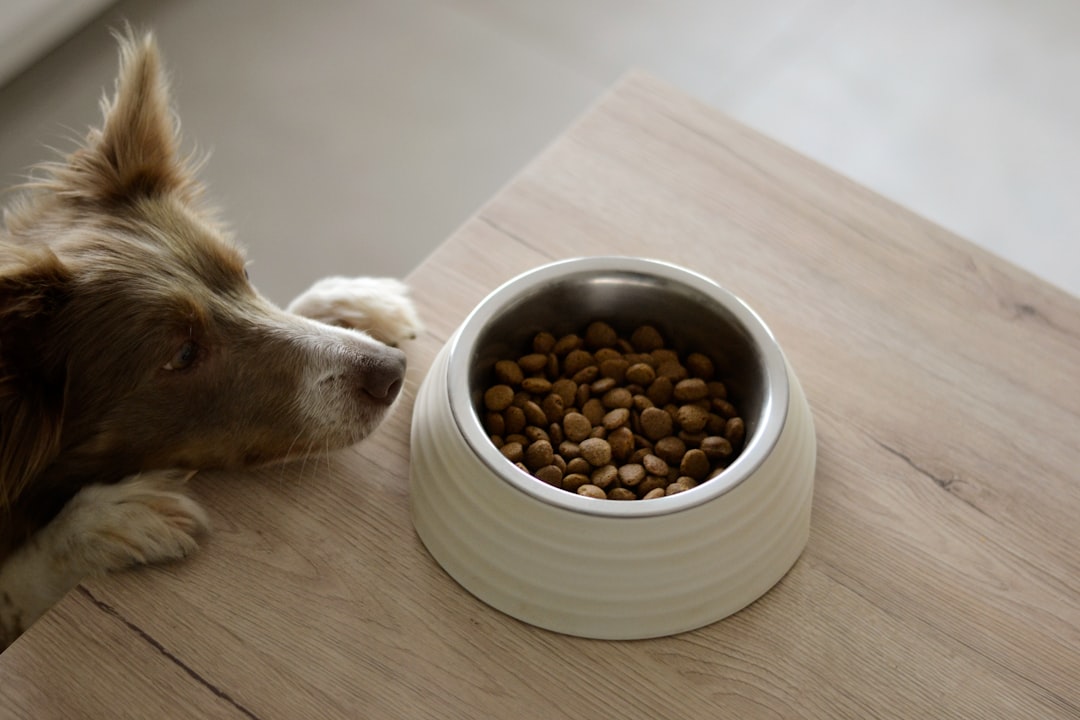
Managing a canine digestive system that reacts poorly to standard commercial kibble requires a disciplined, science-based approach to nutrition. When a dog experiences chronic gas, loose stools, or frequent vomiting, the digestive tract is often struggling to process complex proteins, artificial preservatives, or common fillers. Transitioning to a homemade diet allows for complete control over ingredient quality, ensuring that every component serves a functional purpose in soothing inflammation and promoting gut health.
The Physiology of a Sensitive Canine Gut
A sensitive stomach in dogs is often characterized by an inability to break down specific proteins or a low tolerance for high-fat content. The gastrointestinal tract relies on a delicate balance of microbiota to digest nutrients effectively. When this balance is disrupted, the gut lining may become irritated, leading to poor nutrient absorption.
The goal of a homemade diet for these dogs is simplicity. By limiting the number of ingredients, owners can identify potential triggers through an elimination process. A basic, easily digestible diet typically consists of a single lean protein source and a single, highly digestible carbohydrate. This approach reduces the workload on the digestive enzymes and allows the intestinal mucosa time to repair itself.
Essential Components of a Bland, Healing Diet
When formulating meals at home, nutritional adequacy is the primary challenge. A diet that is easy on the stomach must still provide the necessary amino acids, vitamins, and minerals required for daily maintenance.
- Lean Protein Sources: Turkey, whitefish, or boiled chicken breast are preferred because they are low in fat and easily broken down by the stomach. High-fat meats can trigger pancreatitis or worsen digestive upset.
- Highly Digestible Carbohydrates: White rice is the gold standard for digestive issues due to its low fiber content and ability to provide quick energy without taxing the gut. Sweet potatoes, when peeled and boiled, provide essential vitamins and fiber that can help firm up stools.
- Fiber Modulation: Soluble fiber, found in canned pumpkin (not pie filling), helps regulate bowel movements and absorbs excess water in the gut.
- Hydration: Homemade diets naturally contain more water than dry kibble, which is beneficial for digestion and kidney function.
Nutrient Balancing and Supplementation
Feeding a diet of only chicken and rice is unsustainable for long-term health because it lacks essential minerals like calcium, zinc, and iodine. To meet a dog’s nutritional requirements, specialized supplements are necessary. Calcium supplementation is particularly critical, as meat alone is high in phosphorus but deficient in calcium. Crushed eggshells or veterinarian-approved calcium powders are standard methods to balance the phosphorus-to-calcium ratio.
Furthermore, omega-3 fatty acids, specifically those derived from fish oil, play a significant role in reducing systemic inflammation. These fatty acids help soothe the lining of the digestive tract. It is equally important to consult with a veterinary nutritionist to ensure that the homemade recipe meets the standards set by governing bodies for complete and balanced nutrition, preventing deficiencies that could arise over months of restricted feeding.
Comparison of Digestive-Friendly Ingredients
| Ingredient Type | Benefit for Sensitive Stomachs | Preparation Method |
|---|---|---|
| White Fish | Low-fat, hypoallergenic protein | Poached or steamed |
| White Rice | Easily absorbed energy, low residue | Boiled until soft |
| Sweet Potato | Rich in vitamins, gentle fiber | Peeled, boiled, and mashed |
| Pumpkin | Regulates bowel consistency | Pureed (plain) |
| Turkey Breast | Lean, easily digestible protein | Boiled or baked (no skin) |
Transitioning to a Homemade Diet
Abrupt dietary changes are a primary cause of digestive upset. Even when switching to a “gentler” diet, the transition must be gradual. The digestive system produces specific enzymes based on the current diet; changing the food composition too quickly prevents the body from adjusting its enzyme production.
A recommended transition schedule involves mixing the new homemade food with the old diet over a period of 7 to 10 days. Start with 25% homemade food and 75% old diet, gradually increasing the ratio of homemade food every two to three days. During this time, monitor the dog for any signs of worsening symptoms, such as increased lethargy or persistent diarrhea.
Addressing Common Questions
How do I know if my dog needs a homemade diet?
If a dog displays chronic digestive issues despite being on high-quality commercial food, or if a veterinarian has diagnosed a food sensitivity, a homemade diet may be the next logical step. It is best to pursue this under the guidance of a professional to rule out underlying medical conditions.
Can I freeze homemade dog food?
Yes, batch cooking is an effective way to manage a homemade diet. Prepare a week’s worth of food, portion it into individual containers, and freeze them. Thaw in the refrigerator overnight before serving.
Is grain-free necessary for sensitive stomachs?
Not necessarily. While some dogs are sensitive to specific grains, many thrive on highly digestible grains like white rice. Grain-free diets are not inherently better for digestion; the quality and processing of the ingredients are more significant factors.
How often should I feed a dog with a sensitive stomach?
Smaller, more frequent meals are generally easier to digest than one or two large meals. Dividing the daily caloric intake into three or four smaller portions reduces the volume of food in the stomach at any one time, lowering the risk of reflux or bloating.
Long-Term Management and Monitoring
Maintaining a homemade diet requires consistency and attention to detail. Weight management is essential, as dogs with sensitive stomachs can sometimes lose weight if the diet is not calorie-dense enough or if they are not absorbing nutrients efficiently. Regular weigh-ins and body condition scoring help determine if the portion sizes are adequate.
If symptoms return, it is crucial to review the ingredient list. Sometimes, a sensitivity is not to a food group but to an additive or a specific protein source. Keeping a detailed log of every ingredient fed and the dog’s corresponding stool quality and energy levels provides valuable data for the veterinarian. By focusing on simple, high-quality ingredients and ensuring nutritional balance through proper supplementation, it is possible to provide a dog with a sensitive stomach a healthy, comfortable, and thriving life.
Featured Image Credit: Generated/Sourced via Unsplash.
Disclaimer: This article is AI-generated for informational and educational purposes. While we strive to provide high-quality context and authority, the content should not be used as professional advice. The author/website assumes no liability for external links or factual omissions.
