


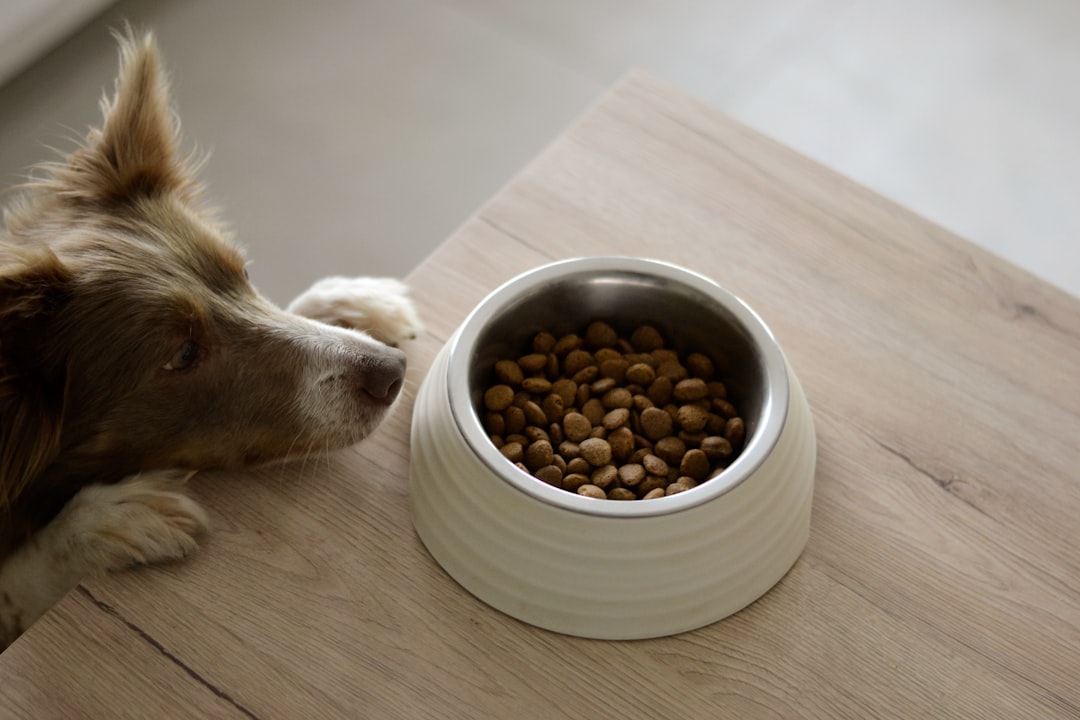
Feeding a growing puppy is one of the most critical responsibilities for a new dog owner. Proper nutrition during the first year of life dictates bone density, organ function, and immune system strength. Unlike adult dogs, puppies have high metabolic demands that fluctuate rapidly as they transition from weaning to adulthood. Understanding how much a puppy should eat by age requires a balance of caloric intake, frequency of meals, and an awareness of breed-specific growth patterns.
The Foundations of Puppy Growth and Metabolism
Puppies undergo a period of rapid development that requires significantly more energy density than adult maintenance diets. According to nutritional standards set by the Association of American Feed Control Officials, growing dogs require a specific ratio of proteins, fats, and calcium to support skeletal development.
The primary factor in determining portion size is the puppy’s expected adult weight. A giant breed puppy, such as a Great Dane, has vastly different caloric needs compared to a toy breed like a Chihuahua. Overfeeding during this phase can lead to obesity or orthopedic issues, while underfeeding may result in stunted growth or nutrient deficiencies.
Feeding Guidelines by Developmental Stage
The Weaning Phase (6 to 8 Weeks)
At this stage, puppies are transitioning from mother’s milk to solid food. Small, frequent meals are essential. The food should be moistened with warm water to create a gruel-like consistency, making it easier for the puppy to ingest. During this time, puppies typically eat four meals per day to maintain stable blood sugar levels.
Early Growth (2 to 4 Months)
As the puppy gains independence, the focus shifts to steady weight gain. Most veterinarians recommend feeding three to four times daily. The amount of food should be based on the packaging guidelines of high-quality puppy-specific kibble, typically calculated by weight. It is important to monitor the puppy’s body condition score rather than relying solely on the cup measurement provided on the bag.
The Adolescent Surge (4 to 8 Months)
This period represents the fastest growth phase. Caloric requirements often peak during these months. As the puppy begins to lose its “puppy fat,” owners should maintain a consistent feeding schedule of three meals per day. If a puppy appears to be gaining weight too quickly, the portions may need adjustment, but caloric restriction should only occur under veterinary supervision to ensure the puppy still receives adequate vitamins and minerals.
Approaching Adulthood (8 to 12+ Months)
As the puppy approaches its adult size, the transition to two meals per day becomes standard. For small breeds, this transition may happen as early as six months, while giant breeds may remain on puppy-specific formulas until 18 to 24 months to ensure proper bone development.
Comparison of Feeding Frequencies by Age
| Age Range | Recommended Meals Per Day | Nutritional Focus |
|---|---|---|
| 6–8 Weeks | 4 Meals | Transitioning, Hydration |
| 2–4 Months | 3–4 Meals | Rapid Growth, Protein intake |
| 4–8 Months | 3 Meals | Muscle Development, Energy |
| 8–12+ Months | 2 Meals | Maintenance, Weight Control |
The Role of Caloric Density and Breed Size
Not all kibble is created equal. A cup of high-protein, high-fat puppy food contains significantly more calories than a cup of adult maintenance food. When determining how much a puppy should eat, the caloric density of the chosen brand is the most accurate metric.
Small Breed Considerations
Small breeds have a high metabolic rate and can be prone to hypoglycemia if they go too long without food. Frequent, smaller portions ensure their energy levels remain consistent throughout the day.
Large and Giant Breed Considerations
Large breed puppies require controlled growth rates. Rapid weight gain in these breeds can put excessive stress on developing joints, potentially leading to hip dysplasia or other skeletal issues. Feeding a formula specifically designed for large breeds helps manage this by adjusting the calcium-to-phosphorus ratio and caloric density.
Monitoring Body Condition and Adjusting Portions
A visual and tactile assessment is the most reliable way to determine if a puppy is eating the correct amount. A puppy should have a visible waist when viewed from above and a slight abdominal tuck when viewed from the side. You should be able to feel the ribs without pressing hard, but the ribs should not be visibly protruding.
If the puppy is gaining weight too rapidly, consider the following:
- Treat Allocation: Ensure treats do not exceed 10% of the total daily caloric intake.
- Activity Levels: Adjust portions based on the puppy’s daily exercise and play.
- Food Quality: Review the ingredient label to ensure the food is nutrient-dense rather than filled with empty fillers.
Common Nutritional Mistakes to Avoid
One of the most frequent errors is free-feeding, where food is left out all day. This method makes it difficult to track exactly how much the puppy consumes and can lead to overeating. Structured meal times allow for better digestion and make it easier to notice if a puppy’s appetite changes, which is often the first sign of illness.
Another mistake involves the premature transition to adult food. Adult formulas lack the essential amino acids and fat profiles necessary for a puppy’s developing brain and body. Always consult with a veterinarian before switching to adult food, especially for large breeds that require a longer developmental window.
Frequently Asked Questions
How do I know if my puppy is eating enough?
Monitor the puppy’s energy levels and growth. A puppy that is lethargic, has a dull coat, or is not gaining weight steadily may need an increase in caloric intake. Always consult a growth chart specific to your puppy’s breed.
Should I add supplements to my puppy’s food?
High-quality, commercially prepared puppy food is formulated to be nutritionally complete. Adding supplements without veterinary guidance can cause nutrient imbalances, which are particularly dangerous for growing bones.
What should I do if my puppy refuses to eat?
A puppy that skips one meal may be fine, but a puppy that refuses food for 24 hours requires veterinary attention. Check for signs of dental discomfort or digestive upset, as these are common reasons for a sudden loss of appetite.
Can I mix wet and dry food?
Yes, mixing wet and dry food is acceptable. However, you must account for the calories in both to ensure the total daily intake remains consistent. Wet food is often more palatable but can be less convenient for structured feeding routines.
How often should I weigh my puppy?
Weighing your puppy every two weeks during the first six months is a good practice. This allows you to track growth trends and adjust food portions in alignment with their weight gain.
Conclusion
Determining how much a puppy should eat by age is an evolving process that requires observation and adjustments. By focusing on the puppy’s specific breed requirements, activity level, and body condition, owners can provide the foundation for a healthy life. The transition from the frequent feedings of a young puppy to the structured meals of an adult dog is a milestone that marks the successful development of a healthy companion.
Consistency in feeding schedules, the use of high-quality puppy-specific nutrition, and regular veterinary check-ups are the most effective ways to ensure your puppy receives the exact amount of energy needed for optimal growth. Avoid the urge to overfeed, keep treats to a minimum, and always prioritize the nutritional balance over convenience. As the puppy matures, the feeding routine will naturally settle into a predictable pattern, allowing both the owner and the dog to focus on training, socialization, and the long-term health benefits of a well-managed diet.
Featured Image Credit: Generated/Sourced via Unsplash.
Disclaimer: This article is AI-generated for informational and educational purposes. While we strive to provide high-quality context and authority, the content should not be used as professional advice. The author/website assumes no liability for external links or factual omissions.
