


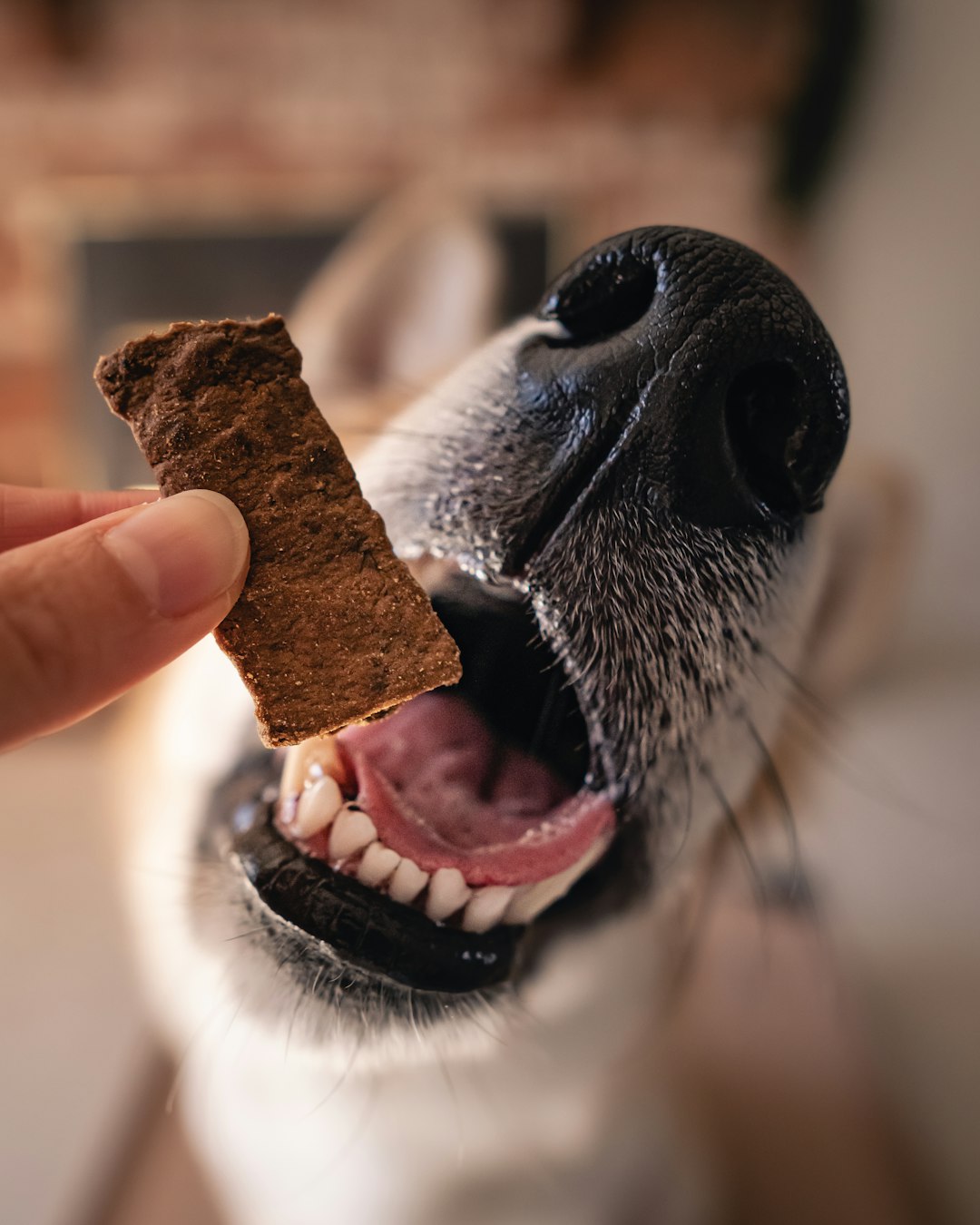
Weight management in dogs is a primary concern for veterinarians, as canine obesity is linked to numerous health complications, including joint stress, diabetes, and reduced life expectancy. Providing treats is a standard way to reinforce positive behavior and strengthen the bond between human and animal, yet many commercial snacks are calorie-dense and high in processed fillers. Transitioning to natural, low-calorie alternatives allows for consistent reward systems without compromising a dog’s weight loss goals.
Understanding Caloric Density in Canine Snacks
The fundamental principle of weight loss in dogs is maintaining a caloric deficit. Treats should ideally account for no more than 10% of a dog’s total daily caloric intake. When choosing natural snacks, the focus must shift from high-fat, high-carbohydrate options to fiber-rich, water-dense, and nutrient-dense foods.
Natural treats provide the advantage of being free from artificial preservatives, colors, and excessive sodium. By selecting whole foods, owners can better control the glycemic index of the snacks provided, which helps in preventing spikes in blood sugar that can contribute to weight gain.
Low-Calorie Vegetable Treats
Vegetables are often the best choice for overweight dogs because they provide a satisfying crunch and volume without significant caloric impact.
- Green Beans: Steamed or raw green beans are excellent low-calorie fillers. They are rich in fiber, which helps the dog feel satiated for longer periods.
- Carrots: Whether served as baby carrots or sliced chunks, carrots offer a satisfying texture. They are low in fat and provide essential beta-carotene.
- Cucumber Slices: Composed mostly of water, cucumbers are arguably one of the lowest-calorie treats available. They are hydrating and safe for dogs to consume in moderation.
- Zucchini: Often overlooked, zucchini is gentle on the digestive system and provides a mild flavor that most dogs find palatable.
Fruit Options with Caution
While fruits are natural, they contain higher sugar levels than vegetables. When feeding fruit to an overweight dog, portion control is critical to avoid unnecessary weight gain.
- Blueberries: These are packed with antioxidants and vitamins. A few blueberries serve as an excellent, bite-sized reward during training sessions.
- Apple Slices: Apples provide fiber and vitamins A and C. It is essential to remove all seeds and the core, as these can pose health risks.
- Watermelon: Removing the seeds and rind leaves a hydrating, low-calorie snack that is particularly refreshing during warmer months.
Comparison of Natural Treat Options
| Treat Type | Caloric Density | Fiber Content | Primary Benefit |
|---|---|---|---|
| Green Beans | Very Low | High | High Satiety |
| Carrots | Low | Moderate | Dental Stimulation |
| Blueberries | Moderate | Low | Antioxidant Boost |
| Cucumber | Very Low | Low | Hydration |
| Air-Popped Popcorn | Moderate | Moderate | High Volume |
Lean Protein Alternatives
Protein is essential for maintaining muscle mass during weight loss, but it must be lean. Fatty cuts of meat or processed jerky often contain high levels of fat and additives that counteract weight loss efforts.
- Boiled Chicken Breast: Removing the skin and fat before boiling creates a high-protein, low-calorie treat. It should be cut into small, manageable pieces.
- White Fish: Cod or tilapia, when steamed without added oils or seasonings, provides lean protein and beneficial omega-3 fatty acids.
- Dehydrated Liver: While nutrient-dense, liver should be used sparingly due to its high vitamin A content. It is a high-value reward, making it perfect for training overweight dogs in small amounts.
The Role of Fiber in Weight Management
Fiber plays a dual role in canine nutrition. It adds bulk to the diet, which helps the dog feel full despite consuming fewer calories, and it aids in regulating blood sugar levels. When transitioning to high-fiber natural treats, it is important to introduce them gradually. A sudden increase in fiber intake can lead to gastrointestinal upset, including gas or changes in stool consistency.
Vegetables like broccoli and cauliflower are also high in fiber, though they should be served in moderation to avoid potential thyroid interference or digestive discomfort. Always ensure that any vegetable treat is served plain, without salt, butter, or garlic, as these can be toxic or unnecessary caloric additions.
Strategies for Integrating Treats into a Weight Loss Plan
Successful weight management relies on consistency. If a dog receives treats throughout the day, those calories must be subtracted from their main meals. This practice, known as caloric budgeting, ensures that the dog does not exceed their daily requirements.
Another effective strategy is to use a portion of the dog’s daily kibble as their “treats” throughout the day. By setting aside a small amount of their measured meal at the start of the day, owners can reward the dog without adding any extra calories. This method is highly effective for dogs that are particularly food-motivated.
Frequently Asked Questions
Are there any vegetables that dogs should avoid?
Yes, onions, garlic, chives, and leeks are toxic to dogs. Additionally, grapes and raisins should be strictly avoided due to their potential to cause kidney failure.
How often can I give my dog vegetable treats?
Vegetable treats like green beans or cucumber can be given frequently, provided they do not replace a balanced diet. They should still be limited to 10% of the total daily calorie intake.
Can I use frozen treats for my overweight dog?
Yes, freezing items like carrots or blueberries can extend the time it takes for the dog to consume the treat, providing more mental stimulation without increasing the caloric load.
Should I consult a veterinarian before changing my dog’s diet?
It is highly recommended to consult a veterinarian before initiating a weight loss plan. A professional can determine the dog’s ideal caloric intake and rule out underlying metabolic conditions.
Is air-popped popcorn safe?
Plain, air-popped popcorn without butter, salt, or oil is a safe, high-volume snack. It is a good choice for dogs that need the sensation of eating a large amount of food.
Conclusion
Managing the weight of a dog requires a combination of portion control, increased physical activity, and smart snacking choices. Natural treats, specifically low-calorie vegetables and lean proteins, offer a way to reward a dog without sabotaging health goals. By focusing on fiber-rich and water-dense options, owners can help their pets maintain a healthy body condition while still enjoying the bonding experience of treat time.
The shift toward natural, whole-food snacks aligns with broader nutritional goals of reducing processed ingredients and stabilizing blood sugar. As with any dietary change, observation is key. Monitor the dog’s weight, coat condition, and energy levels regularly. Adjustments to the quantity and type of treats should be made based on the dog’s progress and the advice of a veterinary professional. With a structured approach, it is entirely possible to support a dog’s wellness through thoughtful, natural choices that prioritize long-term health and vitality.
Featured Image Credit: Generated/Sourced via Unsplash.
Disclaimer: This article is AI-generated for informational and educational purposes. While we strive to provide high-quality context and authority, the content should not be used as professional advice. The author/website assumes no liability for external links or factual omissions.
