


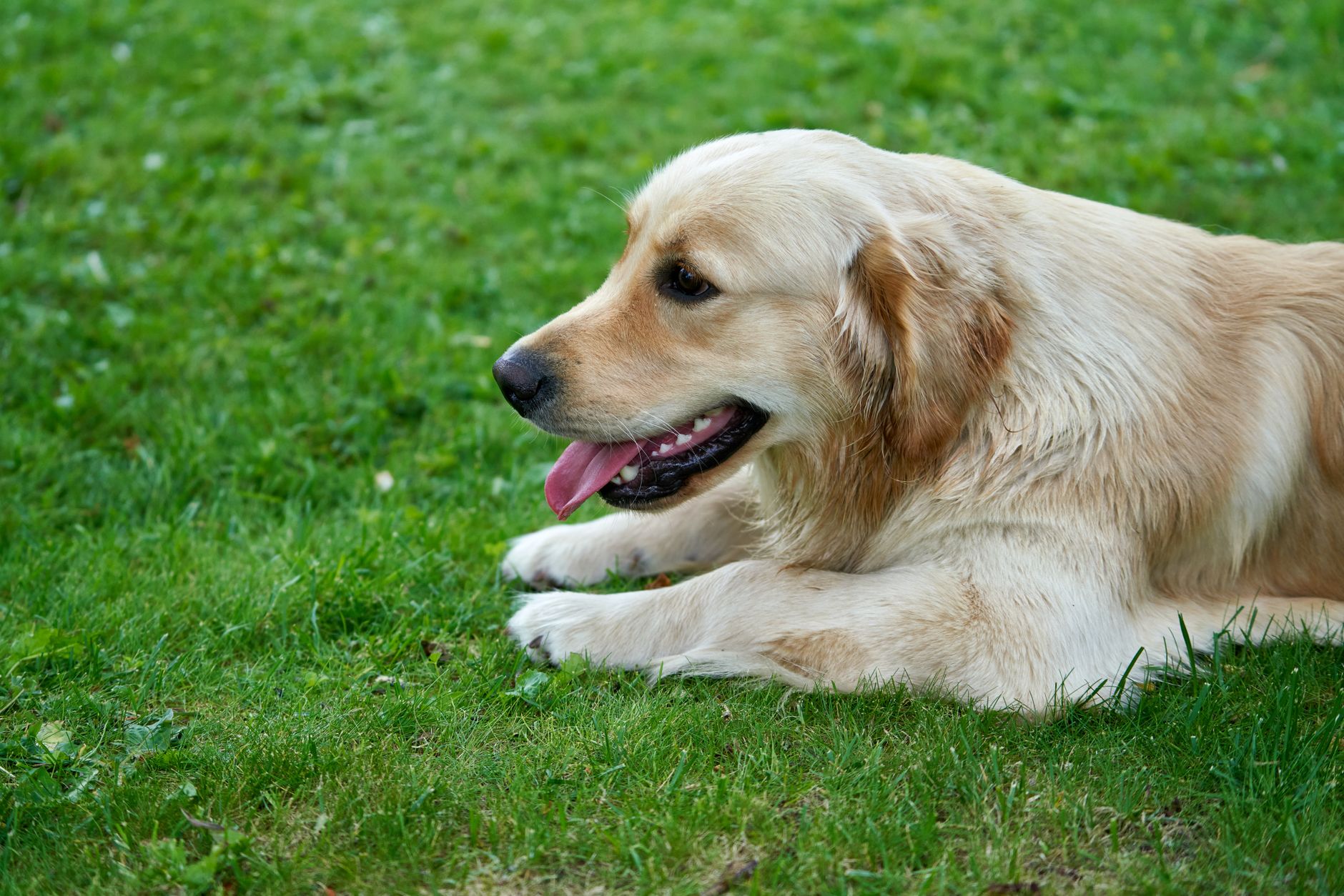
Maintaining the coat of a Golden Retriever requires a consistent, structured approach. Because this breed possesses a dense, water-repellent double coat, grooming is not merely a cosmetic endeavor but a critical component of their overall health and well-being. Regular maintenance prevents painful matting, manages heavy seasonal shedding, and provides an opportunity to monitor the skin for potential issues.
Understanding the Golden Retriever Coat Structure
The Golden Retriever is characterized by a thick, water-repellent outer coat and a dense, soft undercoat. This dual-layer system serves as a natural insulator, keeping the dog warm in winter and cool in summer. However, this structure is highly prone to trapping loose fur, dirt, and debris. Without regular intervention, the undercoat sheds and becomes tangled with the outer coat, eventually forming mats that can pull on the dog’s skin and cause significant discomfort or even localized infections.
The frequency of grooming is dictated by the dog’s activity level, the current season, and the specific texture of the coat. While a general rule of thumb suggests a thorough brushing at least two to three times per week, periods of heavy shedding—typically occurring during the spring and fall—require daily attention to manage the sheer volume of hair loss effectively.
Recommended Grooming Schedule
Establishing a routine ensures that grooming does not become an overwhelming task. A systematic approach helps in distributing natural skin oils throughout the coat, which promotes a healthy shine and skin barrier function.
- Daily Maintenance: During shedding seasons, a quick daily pass with a slicker brush or undercoat rake is necessary to remove loose hair before it settles into the furniture or forms mats.
- Weekly Brushing: For non-shedding periods, a thorough session twice or three times a week is sufficient to remove tangles and debris.
- Monthly Bathing: Bathing should occur roughly every four to six weeks. Over-bathing can strip essential oils from the skin, leading to dryness and irritation.
- Nail and Ear Care: Trimming nails and cleaning ears should be integrated into the grooming schedule every three to four weeks to prevent overgrowth and moisture buildup.
Essential Grooming Tools for Golden Retrievers
Utilizing the correct equipment is the difference between an efficient grooming session and a stressful experience for both the owner and the animal. Each tool serves a distinct purpose in the maintenance cycle.
The Slicker Brush
This is the primary tool for removing loose hair and detangling the outer coat. The fine, wire bristles are designed to glide through the fur without causing irritation if used with proper pressure.
The Undercoat Rake
An undercoat rake is specifically engineered to reach through the thick outer layer to pull out the shedding undercoat. This tool is indispensable during seasonal changes when the dog is “blowing” its coat.
Metal Greyhound Comb
A long-toothed metal comb is essential for checking the work done by the brush. Running this through the coat helps identify hidden mats near the skin, especially behind the ears, under the armpits, and in the “feathering” on the legs.
Comparison of Grooming Frequency and Objectives
| Grooming Task | Recommended Frequency | Primary Goal |
|---|---|---|
| Full Brushing | 2-3 times per week | Prevent matting and distribute oils |
| Heavy Shedding Period | Daily | Manage volume of undercoat loss |
| Bathing | Every 4-6 weeks | Hygiene and odor management |
| Nail Trimming | Every 3-4 weeks | Prevent joint strain and discomfort |
| Ear Cleaning | Every 3-4 weeks | Prevent infection and moisture buildup |
Managing Specific Areas: The “Feathering” and Underbelly
The hair on a Golden Retriever’s legs, tail, and neck—known as feathering—is prone to collecting burrs, grass seeds, and tangles. These areas require extra precision. When grooming, pay close attention to the area behind the ears and the “pants” (the hair on the back of the hind legs).
If tangles are discovered, avoid pulling them forcefully. Instead, apply a detangling spray and gently work the knot apart with a metal comb. If a mat is too tight to be combed out, it may be necessary to carefully trim it with blunt-nosed grooming scissors, though this should be done with caution to avoid cutting the skin.
The Role of Nutrition in Coat Health
Grooming is only one half of the equation; the other half is internal. A coat that appears dull, brittle, or excessively greasy can sometimes indicate a nutritional deficiency. Golden Retrievers benefit significantly from diets rich in Omega-3 and Omega-6 fatty acids. These nutrients support the health of the skin barrier and the quality of the hair follicles. When the dog receives proper nutrition, the coat becomes more resilient and easier to maintain during regular grooming sessions.
Bathing Best Practices
When the time comes for a bath, the preparation is just as important as the wash itself. Always brush the dog thoroughly before introducing water, as water causes mats to tighten, making them nearly impossible to remove afterward.
- Use a high-quality, pH-balanced dog shampoo formulated for sensitive skin.
- Ensure the water temperature is lukewarm, as extreme heat or cold can cause stress.
- Rinse the coat thoroughly. Residual soap can cause itching and lead to hot spots.
- Dry the coat completely. Because of the density of a Golden Retriever’s fur, air drying can sometimes leave the undercoat damp, creating a breeding ground for bacteria. Using a high-velocity dryer or a professional-grade towel-drying technique is recommended.
Frequently Asked Questions
Is it necessary to shave a Golden Retriever in the summer?
No. Shaving a Golden Retriever is generally discouraged. Their double coat provides natural insulation against both heat and cold. Shaving removes this protection, increasing the risk of sunburn and overheating, as the coat may not grow back with the same texture or density.
How do I know if I am brushing too hard?
If the dog shows signs of discomfort, such as pulling away, panting, or skin redness, the pressure is likely too high. Use long, smooth strokes and allow the tools to do the work. If the brush hits a snag, stop and work the area gently rather than forcing the brush through.
What should I do if I find a persistent mat?
For mats that cannot be worked out with a comb or detangling spray, professional intervention is recommended. Attempting to cut out a deep mat at home can easily lead to accidental skin nicks, which are prone to infection. Professional groomers have the tools and experience to remove mats safely.
Does the dog’s age affect grooming frequency?
Yes. Puppies are still developing their coat texture and may require less frequent, but more consistent, “training” sessions to get them comfortable with the grooming process. Older dogs may have thinner coats but require more care regarding joint comfort and skin sensitivity.
How often should I check for ticks and fleas during grooming?
Grooming is the perfect time to perform a full-body scan. Because the coat is thick, checking for parasites should be a standard part of every brushing session, especially after the dog has been in tall grass or wooded areas.
Conclusion
Consistency remains the most important factor in the grooming of a Golden Retriever. By viewing grooming as a regular, non-negotiable part of the routine, you ensure the dog remains comfortable and healthy. The process of brushing, bathing, and maintaining the nails not only keeps the coat aesthetically pleasing but also serves as a diagnostic tool for identifying changes in the skin or overall health.
By adhering to the recommended weekly schedule and utilizing the proper tools, the potential for matting is significantly reduced, and the dog’s natural coat functions at its peak. Whether managing the intense shedding of spring or the routine maintenance of winter, a disciplined approach guarantees that the coat stays soft, clean, and free of discomfort. Grooming is a commitment to the long-term well-being of the breed, ensuring that the dog can enjoy its active lifestyle with a healthy, protected, and well-maintained coat.
Featured Image Credit: Generated/Sourced via Runware.ai.
Disclaimer: This article is AI-generated for informational and educational purposes. While we strive to provide high-quality context and authority, the content should not be used as professional advice. The author/website assumes no liability for external links or factual omissions.
