


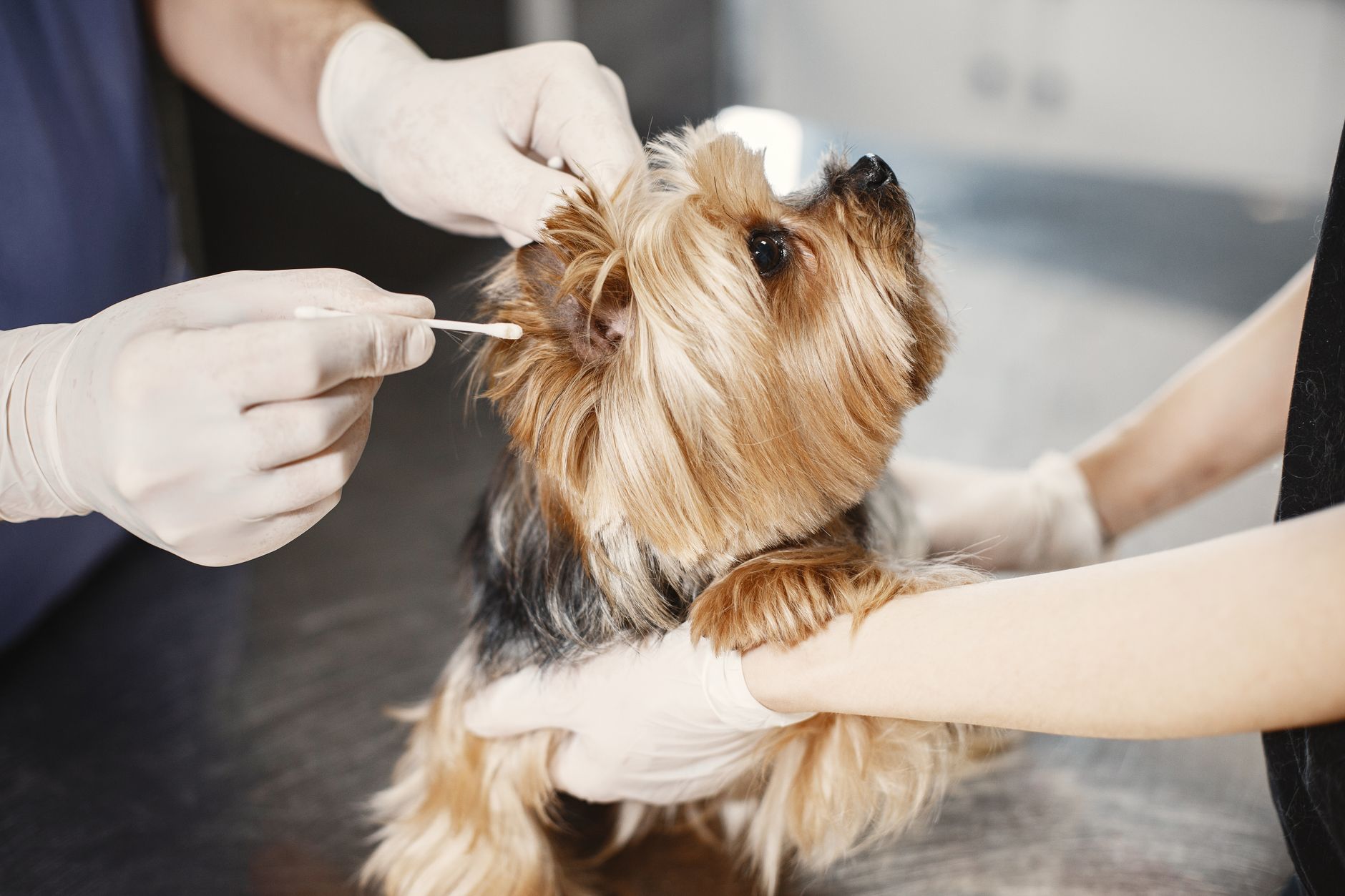
Maintaining optimal ear hygiene is a fundamental aspect of routine canine care. Because many dog breeds possess L-shaped ear canals, moisture and debris often become trapped deep inside, creating an environment ripe for bacterial or yeast overgrowth. Regular, gentle cleaning helps monitor for early signs of inflammation and keeps the ear canal clear of excessive wax buildup. Understanding the anatomy of the ear and the proper technique for sanitation prevents accidental injury to the sensitive eardrum.
Understanding Canine Ear Anatomy
The canine ear consists of three main parts: the outer ear (pinna), the middle ear, and the inner ear. The external ear canal is significantly longer than that of a human and takes a sharp turn near the base. This structure is why debris often settles at the bottom of the canal, making it difficult for the dog to shake it out naturally.
When cleaning, the objective is to remove debris from the accessible portion of the canal without pushing material further down toward the eardrum. Over-cleaning can be just as detrimental as under-cleaning, as it may strip away protective oils and lead to irritation. A balanced approach focuses on maintenance rather than aggressive scrubbing.
Essential Tools for Ear Maintenance
Before starting the process, gather the necessary supplies to ensure a smooth experience. Using the correct tools reduces the risk of trauma to the ear tissues.
- Veterinarian-recommended ear cleaning solution: Avoid vinegar, hydrogen peroxide, or alcohol, as these can sting, dry out, or damage delicate ear skin.
- Cotton balls or sterile gauze pads: These are preferred over cotton-tipped swabs, which pose a significant risk of pushing wax deeper into the canal or causing puncture injuries.
- Towels: A towel helps manage any fluid that the dog may shake out during the process.
- Positive reinforcement treats: High-value rewards help create a calm association with the cleaning routine.
Step-by-Step Cleaning Procedure
The process of cleaning a dog’s ears should be calm and methodical. If a dog displays signs of extreme discomfort or aggression, the process should stop, and a professional veterinary consultation should be sought.
- Preparation: Place the dog in a comfortable position, such as sitting or lying on their side. Ensure the environment is quiet to keep the dog relaxed.
- Visual Inspection: Gently lift the ear flap (pinna) to inspect for redness, swelling, discharge, or an unpleasant odor. These can be indicators of an active infection.
- Application: Hold the ear flap upright and gently squeeze the cleaning solution into the ear canal. Ensure the tip of the bottle does not touch the ear canal to prevent cross-contamination.
- Massage: Massage the base of the ear canal—the area just below the ear opening—for approximately 30 seconds. A squishing sound indicates the solution is breaking up debris.
- Allow the Shake: Let the dog shake their head. This motion naturally brings dislodged wax and fluid up from the deeper parts of the canal.
- Wipe: Use a clean cotton ball or gauze pad to gently wipe away the debris from the outer ear canal and the inside of the ear flap. Do not insert fingers or objects deep into the canal.
- Final Reward: Offer a treat immediately following the process to reinforce positive behavior.
Comparison of Cleaning Methods and Tools
| Tool/Method | Safety Rating | Effectiveness | Note |
|---|---|---|---|
| Cotton Balls | High | High | Best for wiping accessible areas. |
| Cotton Swabs | Very Low | Low | Risk of pushing wax deeper; avoid use. |
| Vet-Approved Solution | High | High | Dissolves wax safely without irritation. |
| Alcohol/Peroxide | Low | N/A | Causes pain and damages healthy tissue. |
Signs of Ear Infections
Even with diligent cleaning, dogs may develop ear infections. Recognizing the symptoms early can prevent chronic issues. Common indicators include:
- Excessive head shaking or tilting.
- Frequent scratching at the ears.
- A strong, yeasty, or foul odor emanating from the ear.
- Redness or inflammation of the ear flap.
- Dark brown or yellow discharge.
- Sensitivity or pain when the ear area is touched.
If any of these signs are present, the dog should be evaluated by a veterinarian. Attempting to clean an infected ear with over-the-counter solutions can sometimes worsen the condition if the eardrum is compromised.
Frequency: How Often Is Too Often?
The frequency of ear cleaning depends on the individual dog. Breeds with floppy ears, such as Basset Hounds or Cocker Spaniels, or dogs that swim frequently, may require more regular attention. Dogs with upright ears and no history of ear issues may only need their ears checked every few weeks.
As a general guideline, a monthly inspection is sufficient for most healthy dogs. If a dog experiences recurring ear issues, a veterinarian may recommend a specific schedule or a medicated cleanser to manage the environment of the ear canal.
Frequently Asked Questions (FAQ)
Is it safe to use water to clean a dog’s ears?
No, water should be avoided. Moisture left in the ear canal can promote the growth of yeast and bacteria. Always use a fast-drying, veterinarian-approved ear cleaning solution designed to evaporate quickly.
Why do cotton swabs pose a danger to dogs?
Cotton swabs are narrow and can easily reach the eardrum. If a dog moves suddenly during cleaning, the swab can cause serious injury or hearing loss. Furthermore, they tend to pack wax into the bottom of the canal rather than removing it.
Can I make a homemade ear cleaner?
While some recipes exist, they are often inconsistent in pH and may contain ingredients that irritate the dog’s sensitive skin. Commercially available cleaners are formulated to be balanced and effective, making them the safest choice for routine care.
What should I do if my dog refuses to let me clean their ears?
Do not force the process. If a dog is fearful or aggressive, seek assistance from a veterinary technician or a professional groomer. They can demonstrate proper handling techniques to make the experience less stressful for the animal.
Does diet affect ear health?
In some cases, food sensitivities can manifest as chronic ear inflammation. If a dog suffers from constant ear issues despite regular cleaning, a discussion with a veterinarian regarding diet or potential allergies is advisable.
Maintaining Long-Term Ear Health
Consistency is the most effective strategy for canine ear care. By making ear inspections a part of a regular grooming routine, owners become familiar with what is “normal” for their specific dog. This familiarity allows for the rapid detection of changes, such as subtle redness or a slight increase in debris, which can be addressed before they escalate into painful infections.
Professional grooming and veterinary check-ups serve as excellent supplements to home care. During annual examinations, a veterinarian can perform an otoscopic exam to look deep into the canal, ensuring that the eardrum is intact and that no hidden issues are present.
Ultimately, the goal of ear cleaning is to support the dog’s comfort and well-being. By utilizing the correct supplies, practicing gentle techniques, and knowing when to seek professional medical advice, owners can ensure their dogs remain healthy and free from the discomfort associated with ear problems. Always prioritize the dog’s reaction during the process, and remember that patience is essential for a positive, stress-free outcome.
Featured Image Credit: Generated/Sourced via Runware.ai.
Disclaimer: This article is AI-generated for informational and educational purposes. While we strive to provide high-quality context and authority, the content should not be used as professional advice. The author/website assumes no liability for external links or factual omissions.
