


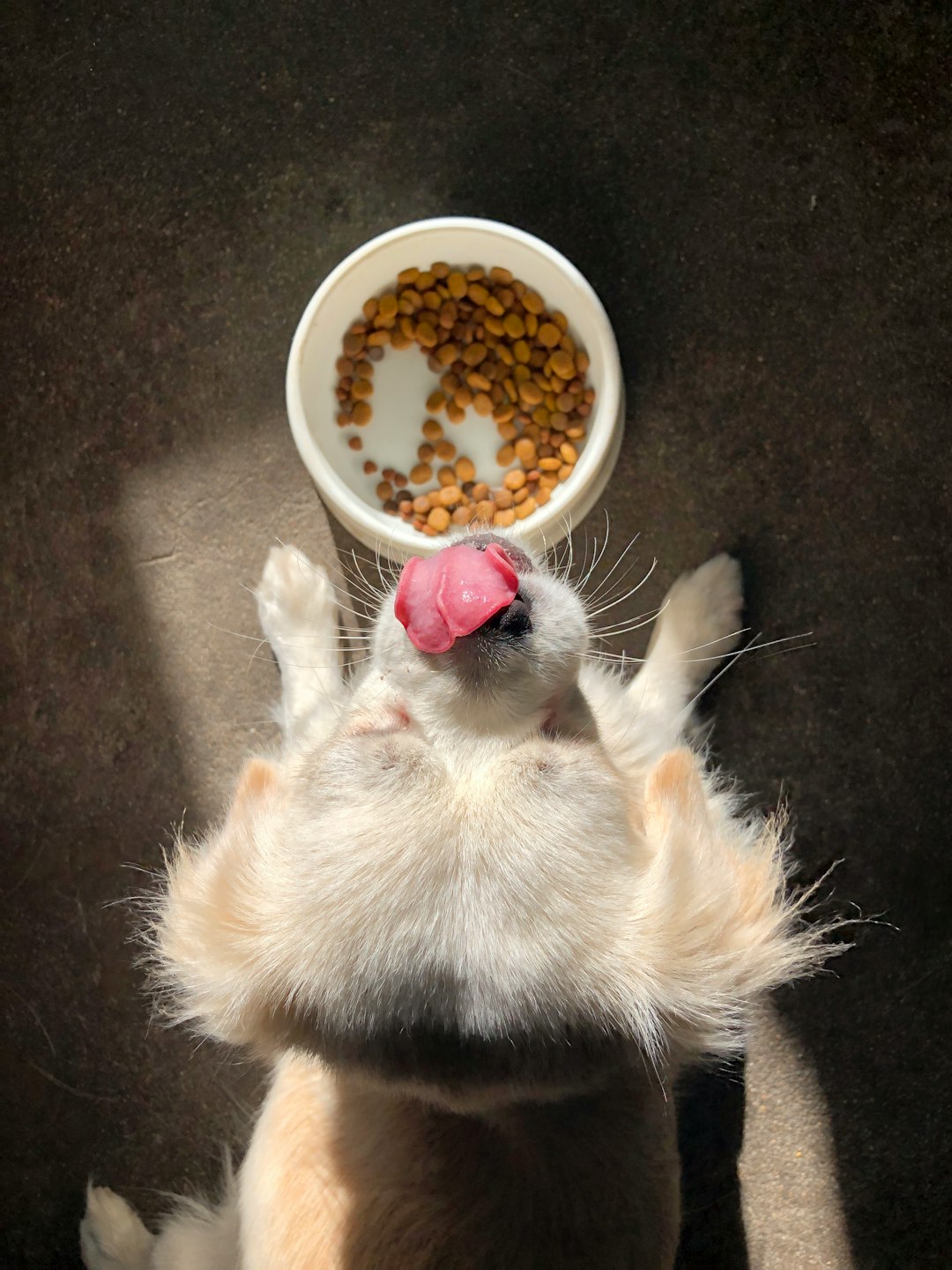
Providing optimal nutrition is the cornerstone of responsible pet ownership. Whether caring for a dog or a cat, understanding the biological requirements of these animals is essential for preventing chronic health conditions and ensuring a vibrant, active life. Nutrition is not merely about filling a bowl; it is about providing the precise building blocks required for cellular repair, immune function, and sustained energy levels.
Understanding the Biological Basis of Pet Diets
Dogs and cats possess distinct digestive systems that dictate their nutritional needs. Dogs are facultative carnivores, meaning they thrive on a diet that includes animal protein but can also process certain plant-based nutrients. Cats, conversely, are obligate carnivores. This biological classification means cats require specific nutrients found almost exclusively in animal tissues, such as taurine, an amino acid essential for heart and eye health.
When selecting commercial pet foods, the label provides the most critical data. The Association of American Feed Control Officials (AAFCO) sets the standards for nutritional adequacy. A food labeled as “complete and balanced” indicates that it meets the minimum requirements for a specific life stage, such as growth, reproduction, or adult maintenance. Understanding these life stages is vital, as a puppy or kitten requires a higher caloric density and specific mineral ratios compared to a sedentary senior pet.
The Essential Nutrients: Proteins, Fats, and Carbohydrates
A balanced diet requires a precise ratio of macronutrients. Proteins serve as the foundation for muscle development and tissue maintenance. High-quality animal proteins, such as chicken, beef, or fish, provide a complete profile of essential amino acids. Plant-based proteins are often used in commercial blends, but they must be carefully balanced to ensure they provide the full spectrum of amino acids required by the animal.
Fats are the primary energy source for pets. Beyond energy, fats are necessary for the absorption of fat-soluble vitamins (A, D, E, and K) and the maintenance of healthy skin and coat. Omega-3 and Omega-6 fatty acids are particularly important, as they contribute to inflammatory regulation and cognitive function.
Carbohydrates are often misunderstood in pet nutrition. While dogs can digest starches like rice, oats, and potatoes, excessive carbohydrates in a diet can lead to weight gain if not balanced by physical activity. For cats, carbohydrates should remain a minimal part of the diet, as their physiology is not optimized for high starch intake.
Comparing Nutritional Profiles
| Nutrient Type | Primary Function | Source Examples | Importance for Pets |
|---|---|---|---|
| Protein | Muscle & Tissue Repair | Poultry, Fish, Eggs | High (Essential for all) |
| Fats | Energy & Nutrient Absorption | Fish Oil, Chicken Fat | High (Skin & Coat health) |
| Carbohydrates | Immediate Energy | Brown Rice, Barley | Moderate (Energy balance) |
| Vitamins/Minerals | Metabolic Regulation | Vegetables, Supplements | High (Immune support) |
Micronutrients: The Role of Vitamins and Minerals
While macronutrients provide the bulk of energy, micronutrients act as the catalysts for biological processes. Calcium and phosphorus are critical for bone development, particularly in large-breed puppies. An imbalance in the ratio of these two minerals can lead to skeletal deformities.
Vitamin A is essential for vision and immune health, while B-complex vitamins support energy metabolism. Commercial pet foods are typically fortified with these nutrients to prevent deficiencies. However, when preparing homemade diets, it is mandatory to consult with a veterinary nutritionist to ensure the diet is not lacking in trace elements like zinc, copper, or selenium.
Hydration and Water Intake
Water is the most overlooked component of pet nutrition. It facilitates digestion, regulates body temperature, and aids in the filtration of waste through the kidneys. Pets should have constant access to clean, fresh water. Wet food can be an excellent way to increase hydration, especially for cats who may have a low thirst drive. Monitoring the amount of water a pet consumes is also a diagnostic tool; a sudden increase or decrease in water intake often serves as the first indicator of underlying health issues such as diabetes or kidney disease.
Identifying Quality Ingredients
Not all pet food ingredients are created equal. When reading an ingredient list, the first few items represent the bulk of the food’s composition. Look for named animal protein sources, such as “deboned chicken” or “salmon meal,” rather than generic terms like “meat by-products.”
Whole grains, such as brown rice or quinoa, offer fiber and steady energy release. Avoid foods with excessive fillers, artificial colors, or preservatives like BHA and BHT. While these additives are often deemed safe in small quantities, natural preservation methods using tocopherols (Vitamin E) are generally preferred by experts for long-term health.
Frequently Asked Questions
How often should I feed my pet?
Most adult dogs thrive on two meals per day, which helps maintain stable blood sugar levels. Cats often prefer smaller, more frequent meals throughout the day, mimicking their natural hunting behavior.
Is grain-free food better for my pet?
Grain-free diets are only necessary for pets with diagnosed grain allergies. For the vast majority of animals, high-quality grains provide essential fiber and nutrients. Always consult a veterinarian before switching to a specialty diet.
Can I feed my pet human food?
While some human foods like plain cooked chicken or carrots are safe, many common items such as onions, garlic, grapes, chocolate, and xylitol are highly toxic to pets. It is best to stick to commercially prepared, balanced pet foods.
How do I transition my pet to a new food?
Always transition slowly over a period of seven to ten days. Start by mixing 25% of the new food with 75% of the old, gradually increasing the ratio of the new food to prevent digestive upset.
What are the signs of a poor diet?
Common signs include dull coat, excessive shedding, lethargy, digestive issues like chronic gas or diarrhea, and unexplained weight fluctuations. If these signs appear, a review of the current diet is warranted.
Conclusion
Achieving excellence in pet nutrition is a continuous process of observation and adjustment. By prioritizing high-quality protein sources, ensuring proper hydration, and respecting the specific biological needs of the animal, owners can significantly influence the health and longevity of their pets.
Begin by auditing the current diet against the standards of nutritional adequacy. If the current food contains high-quality proteins and meets the pet’s specific life-stage requirements, the foundation is solid. If there are concerns regarding weight, energy levels, or coat quality, a consultation with a veterinary professional can provide the objective data needed to make informed changes.
Nutrition is the most consistent investment a pet owner can make in their companion’s future. By taking the time to understand the science behind the bowl, owners ensure that their pets remain healthy, active, and comfortable throughout every stage of life. The focus should remain on consistency, quality, and the ongoing monitoring of the animal’s physical condition to ensure the chosen diet is effectively supporting their long-term wellness.
Featured Image Credit: Generated/Sourced via Unsplash.
Disclaimer: This article is AI-generated for informational and educational purposes. While we strive to provide high-quality context and authority, the content should not be used as professional advice. The author/website assumes no liability for external links or factual omissions.
