


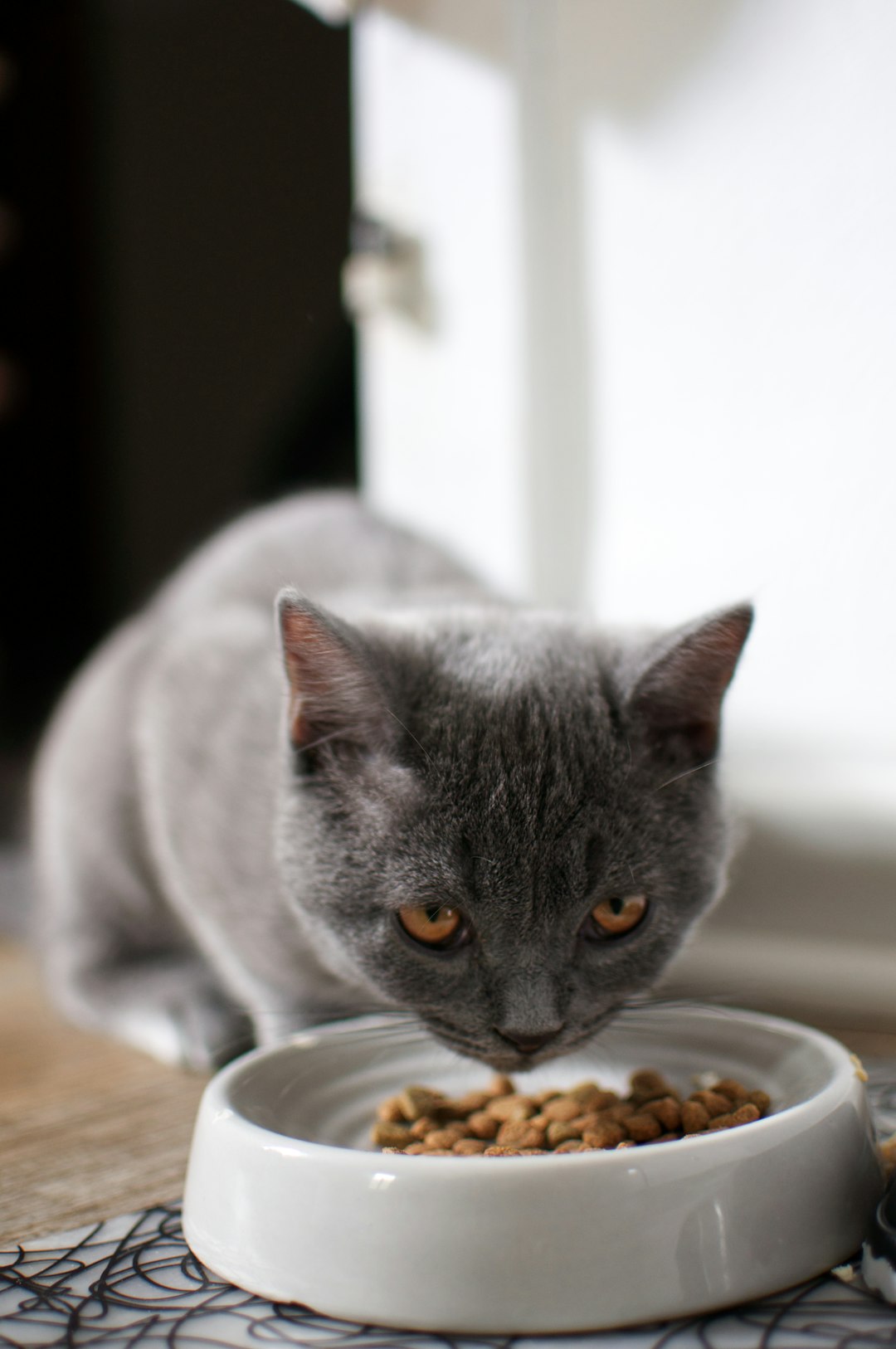
Understanding Feline Food Sensitivities
Food allergies in cats occur when the immune system mistakenly identifies a specific protein or ingredient as a harmful invader. Unlike food intolerance, which typically involves the digestive system, a true allergy triggers an immune response. This often manifests as chronic skin irritation, excessive grooming, ear infections, or recurring gastrointestinal distress. Identifying the root cause requires a systematic approach, starting with a clear understanding of what constitutes a balanced, hypoallergenic diet.
Most feline allergic reactions are directed toward proteins. While common proteins like chicken, beef, or fish are staple ingredients, they are also the most frequent triggers for allergic cats. When the immune system is sensitized to these proteins, the body releases histamines, leading to the inflammation and discomfort often observed by veterinarians. Transitioning to limited-ingredient diets or novel protein sources is frequently the first step in managing these sensitivities.
Common Ingredients That Trigger Allergic Reactions
To effectively manage a cat’s health, it is essential to recognize the ingredients most commonly associated with adverse reactions. While individual cats vary, clinical observation shows that specific proteins are responsible for the vast majority of food-related allergies.
- Chicken: Frequently used in commercial diets, chicken is a leading allergen for many cats.
- Beef: Another common protein source that can trigger immune responses in sensitive individuals.
- Fish: While often marketed as a healthy source of omega fatty acids, fish proteins can be problematic for cats with specific sensitivities.
- Dairy Products: Many adult cats are lactose intolerant, and dairy proteins can also act as allergens.
- Wheat and Corn: While less common than protein allergies, certain grains can contribute to inflammation in cats with sensitive systems.
When selecting a diet, checking the label for these specific ingredients is vital. If a cat shows signs of skin issues or digestive upset, switching to a diet that excludes these common offenders is a standard veterinary recommendation for identifying the specific culprit.
Benefits of Novel Proteins and Limited Ingredient Diets
A novel protein is a meat source that the cat has never consumed before. Because the immune system has not been exposed to these proteins, it is unlikely to have developed an allergic response. Incorporating these into a diet plan can provide the necessary nutrients for a healthy feline without the risk of an immune reaction.
Examples of novel proteins include:
- Rabbit: A lean, highly digestible protein source that is rarely found in standard commercial cat foods.
- Venison: Often utilized in specialized diets for its unique protein structure.
- Duck: A flavorful alternative that provides a different amino acid profile than poultry or beef.
- Lamb: Frequently used in hypoallergenic formulations to provide essential nutrients without common allergens.
Limited ingredient diets (LID) are designed to minimize the number of components in a meal. By reducing the number of variables, these diets make it easier to pinpoint exactly which ingredient might be causing an issue. A high-quality LID should contain one primary protein source and one primary carbohydrate source, ideally supplemented with essential vitamins and minerals, to ensure nutritional adequacy.
Ingredient Comparison for Sensitive Cats
| Ingredient Category | Recommended for Allergies | Ingredients to Monitor/Avoid |
|---|---|---|
| Protein Sources | Rabbit, Venison, Duck, Kangaroo | Chicken, Beef, Fish, Dairy |
| Carbohydrates | Sweet Potato, Peas, Chickpeas | Wheat, Corn, Soy |
| Fat Sources | Refined Poultry Fat, Sunflower Oil | Unspecified Animal Fat/By-products |
| Additives | Natural Preservatives (Tocopherols) | Artificial Colors, BHA, BHT |
The Role of High-Quality Fats and Supplements
Fats are a crucial component of feline nutrition, supporting skin health, coat condition, and immune function. For cats with allergies, the quality of these fats is paramount. Essential fatty acids, particularly Omega-3s derived from high-quality sources, possess natural anti-inflammatory properties that can help soothe the skin irritation caused by allergic reactions.
When reviewing ingredient lists, look for specific fat sources. Vague labels like “animal fat” are discouraged because they do not specify the origin of the fat, which could potentially contain proteins the cat is allergic to. Instead, opt for products that specify the source, such as “refined poultry fat” or “vegetable oil,” which are processed to remove the proteins that trigger immune responses.
Supplements such as biotin, zinc, and vitamin E also play a role in maintaining the skin barrier. A stronger skin barrier is less susceptible to the environmental allergens that often complicate food allergies. Ensuring the diet provides these nutrients in a bioavailable form helps manage the overall health of the cat.
Navigating the Labeling Process
Reading a pet food label requires attention to detail. The ingredient list is typically organized by weight, meaning the first few ingredients represent the bulk of the food. For a cat with allergies, the presence of “meat meals” or “by-products” can be concerning if the source is not clearly identified.
Transparency is a hallmark of high-quality pet food manufacturing. Reliable brands will clearly label the source of their proteins. If a label simply says “meat by-products,” it could contain a mixture of various animals, making it impossible to avoid specific allergens. Choosing brands that emphasize ingredient integrity and traceability is an essential step in maintaining a hypoallergenic diet.
Furthermore, avoid products that rely heavily on fillers. While some carbohydrates are necessary for the structure of dry kibble, excessive amounts of wheat, corn, or soy can be difficult for some cats to digest and may contribute to systemic inflammation. Focusing on diets that prioritize high-quality animal protein as the primary ingredient is the most effective way to ensure long-term health.
Frequently Asked Questions
How long does it take to see improvements after changing my cat’s food?
It typically takes between 6 to 12 weeks of strictly following a new diet to determine if the changes are effective. During this time, the cat must consume only the new diet, with no treats or table scraps, to ensure accurate results.
Can a cat develop an allergy to a food they have eaten for years?
Yes. Cats can develop allergies to ingredients they have been exposed to for a long time. The immune system can become sensitized to a protein after repeated exposure, meaning a diet that was previously safe may eventually trigger a reaction.
Are grain-free diets always better for cats with allergies?
Not necessarily. While some cats do react to grains, protein sources are far more common allergens. A grain-free diet is only beneficial if the cat has a specific intolerance to grains; otherwise, the focus should remain on identifying the protein source.
Is it safe to switch my cat’s food immediately?
Abrupt dietary changes can lead to gastrointestinal upset. It is recommended to transition to a new diet gradually over 7 to 10 days, mixing increasing amounts of the new food with the old food to allow the digestive system to adjust.
Should I use homemade diets to manage allergies?
Homemade diets can be effective for managing allergies, but they carry a high risk of nutritional imbalance. If choosing this route, it is imperative to work with a veterinary nutritionist to ensure the diet meets all of the cat’s complex physiological needs.
Conclusion and Next Steps
Managing feline food allergies requires a disciplined approach, an understanding of ingredient quality, and patience. By prioritizing novel proteins, clear labeling, and high-quality fats, owners can significantly improve the quality of life for cats suffering from sensitivities. The journey toward a healthier diet begins with careful observation of the cat’s physical symptoms and a commitment to eliminating common allergens.
When starting this process, maintain a log of the ingredients consumed and the resulting physical changes. This documentation provides valuable information for veterinary consultations, helping to streamline the diagnosis and management process. Remember that nutritional health is a foundational element of feline wellness, and investing time in selecting appropriate ingredients is a proactive measure that yields long-term benefits. Always consult with a veterinary professional before making significant changes to a pet’s diet, especially if the cat is currently dealing with health complications. By adhering to these guidelines, one can provide a safe, nourishing, and allergy-friendly environment for the cat to thrive.
Featured Image Credit: Generated/Sourced via Unsplash.
Disclaimer: This article is AI-generated for informational and educational purposes. While we strive to provide high-quality context and authority, the content should not be used as professional advice. The author/website assumes no liability for external links or factual omissions.
