


Understanding the Anatomy of a Dog’s Nail
Successful nail maintenance begins with understanding the structure of the canine claw. Unlike human fingernails, dog nails contain a blood vessel and nerve bundle known as the “quick.” This sensitive area is protected by a hard, outer shell of keratin. In dogs with light-colored nails, the quick is often visible as a pinkish line running through the center of the nail. For dogs with dark or black nails, the quick is hidden, requiring extra caution and a more conservative approach to trimming.
Regular maintenance is essential not only for comfort but for long-term structural health. When nails become too long, they alter the way a dog’s foot strikes the ground, which can eventually lead to joint pain, splayed toes, or even arthritis. Keeping nails short ensures the dog maintains proper traction and skeletal alignment during daily activities.
Essential Tools for Home Grooming
Selecting the right equipment makes the process significantly more manageable. The market offers several options, and the choice depends largely on the dog’s size and temperament.
- Scissor-Style Clippers: These are highly effective for medium to large breeds. They operate like standard scissors, providing a clean, sharp cut.
- Guillotine-Style Clippers: Best suited for small to medium breeds, these tools feature a ring where the nail is inserted, and a blade slides across to sever the tip.
- Nail Grinders (Dremels): These rotary tools sand the nail down gradually. They are excellent for smoothing rough edges and reducing the risk of cutting into the quick.
- Styptic Powder: This is a non-negotiable safety item. If a nail is clipped too short, styptic powder is applied directly to the tip to stop bleeding instantly.
Preparing the Environment
Before bringing the clippers out, the environment must be conducive to a calm experience. Dogs are sensitive to their owners’ energy levels. Establishing a routine helps the animal anticipate the process, reducing anxiety over time.
- Desensitization: If a dog is unfamiliar with the process, start by simply touching their paws without using tools. Offer positive reinforcement for calm behavior.
- Adequate Lighting: Good visibility is critical. Ensure the grooming area is well-lit so the structure of the nail is clearly visible.
- Proper Restraint: Depending on the dog’s size, grooming can be done on a non-slip surface, such as a rubber mat on a table, or while the dog is lying comfortably on the floor.
Comparison Table: Choosing the Right Trimming Method
| Method | Best For | Pros | Cons |
|---|---|---|---|
| Scissor Clippers | Medium/Large Dogs | Clean, quick cuts | Requires steady hand |
| Guillotine Clippers | Small/Medium Dogs | Easy to maneuver | Blades dull over time |
| Nail Grinders | All sizes (anxious dogs) | Smoother finish | Slower; creates noise |
| Manual Files | Maintenance/Smoothing | Very safe | Time-consuming |
Step-by-Step Trimming Technique
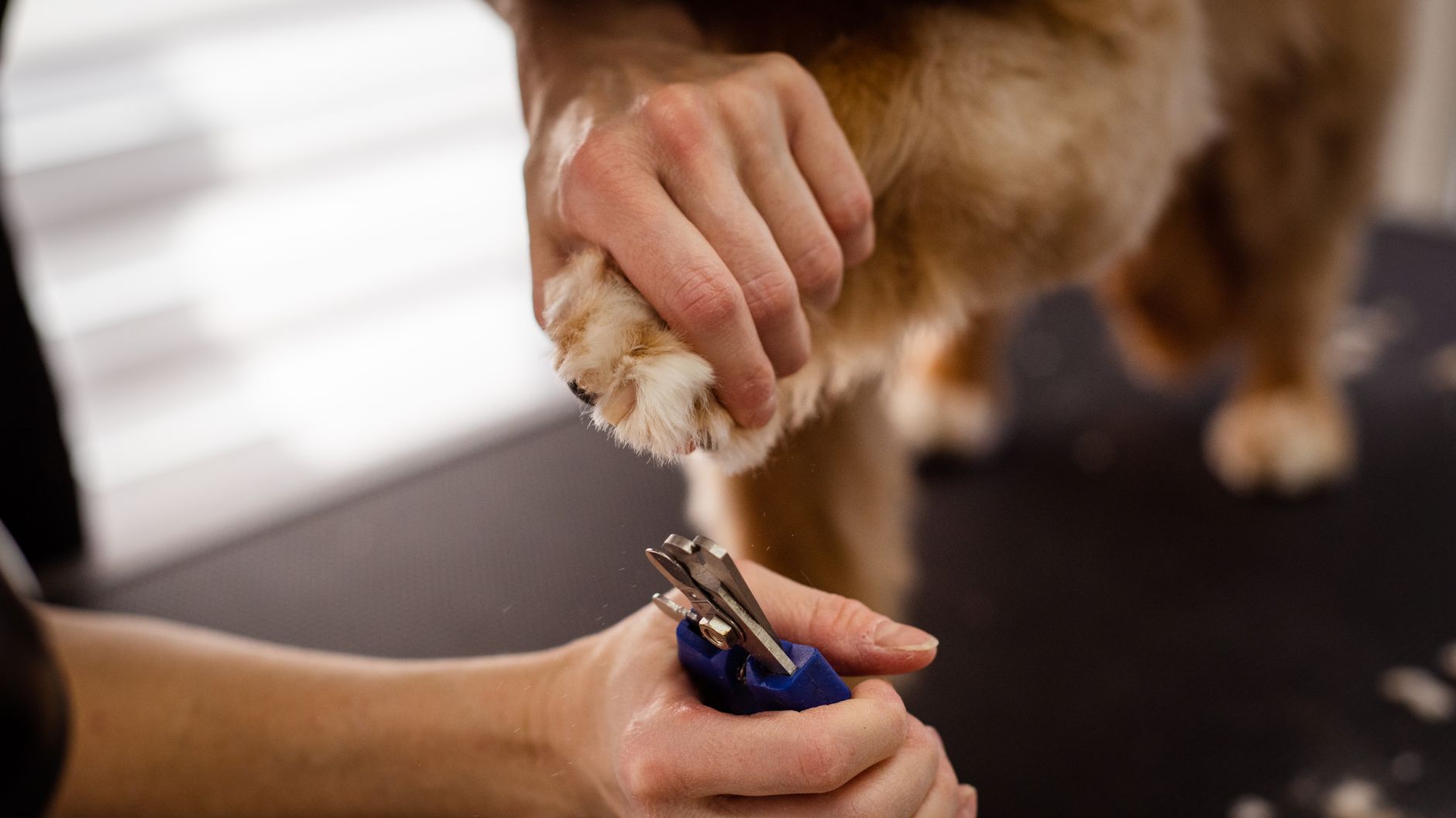
When ready to begin, hold the dog’s paw firmly but gently. Identify the length of the nail and look for the curve where the nail begins to hook downward.
- The Initial Cut: Position the clipper to remove only a thin slice of the nail tip. It is always safer to take off several small slivers than one large chunk.
- Checking Progress: After each cut, examine the surface of the nail. If the center looks chalky or white, it is safe to continue. If a small black or pink dot appears in the center, stop immediately—this is the beginning of the quick.
- Grinding for Finish: Once the desired length is reached, use a nail grinder to smooth out any jagged edges. This prevents the nail from snagging on carpets or furniture.
- Rewarding Success: Provide a high-value treat immediately after the process is finished to create a positive association with grooming.
Handling Dark Nails Safely
Trimming black nails requires a different strategy because the quick is invisible. The most reliable method is to trim tiny slivers off the nail, starting from the tip. Periodically check the cut surface. As the trimmer gets closer to the quick, the interior of the nail will shift from a solid, dry appearance to a slightly moist, darker center. Once that change in texture appears, cease cutting immediately. In these cases, using a rotary grinder is often more effective than clippers, as it allows for a more gradual, controlled reduction of the nail length.
Managing Common Grooming Challenges
Not every dog accepts nail trimming with ease. If a dog pulls away, avoid forcing the limb, as this increases the likelihood of an accidental injury. If the dog displays significant stress, break the session into smaller segments. Perhaps trim only one or two nails per day until the dog becomes accustomed to the sensation. Consistency is more important than speed. If a dog has a history of trauma related to grooming, professional intervention or a gradual desensitization program supervised by a trainer may be necessary.
Frequently Asked Questions (FAQ)
How often should I trim my dog’s nails?
Most dogs require a trim every three to four weeks. However, this varies based on the dog’s activity level and the surfaces they walk on. A good rule of thumb is to trim when you can hear the nails clicking on hard floor surfaces.
What should I do if I accidentally cut the quick?
Do not panic. While it may bleed significantly, it is generally not a medical emergency. Immediately apply styptic powder to the end of the nail. If styptic powder is unavailable, cornstarch or flour can serve as a temporary alternative to help clot the blood.
Can I use human nail clippers for my dog?
Standard human nail clippers are generally not recommended. They are designed for flat nails and may crush or split a dog’s thicker, curved claw, leading to pain and potential infection.
Is it better to grind or clip?
Both methods are effective. Clipping is faster, which is beneficial for dogs that have low patience. Grinding provides a smoother, rounded nail and a lower risk of cutting the quick, but the noise of the motor may bother some dogs initially.
How do I make my dog stay still?
Using a high-value distraction, such as a lick mat smeared with peanut butter or a steady hand providing gentle support, can keep a dog occupied and relaxed during the process.
Conclusion and Best Practices
Mastering the art of at-home nail trimming is a valuable skill that contributes significantly to a dog’s overall welfare. By focusing on gradual progress, utilizing the correct tools, and maintaining a calm, objective approach, the process becomes a routine part of pet care rather than a source of stress.
Observe the dog’s gait and the length of the nails regularly to determine the necessary frequency for maintenance. Always prioritize safety over length; it is better to have slightly longer nails than to cause discomfort by cutting too deep. As familiarity grows, the time required for the task will decrease, and the dog will likely become more cooperative. By staying consistent and patient, the grooming experience becomes a reliable way to ensure the dog remains comfortable, mobile, and healthy throughout its life. Focus on the mechanics of the trim, keep the environment controlled, and treat every session as a learning opportunity for both the owner and the dog.
Featured Image Credit: Generated/Sourced via Runware.ai.
Disclaimer: This article is AI-generated for informational and educational purposes. While we strive to provide high-quality context and authority, the content should not be used as professional advice. The author/website assumes no liability for external links or factual omissions.
