


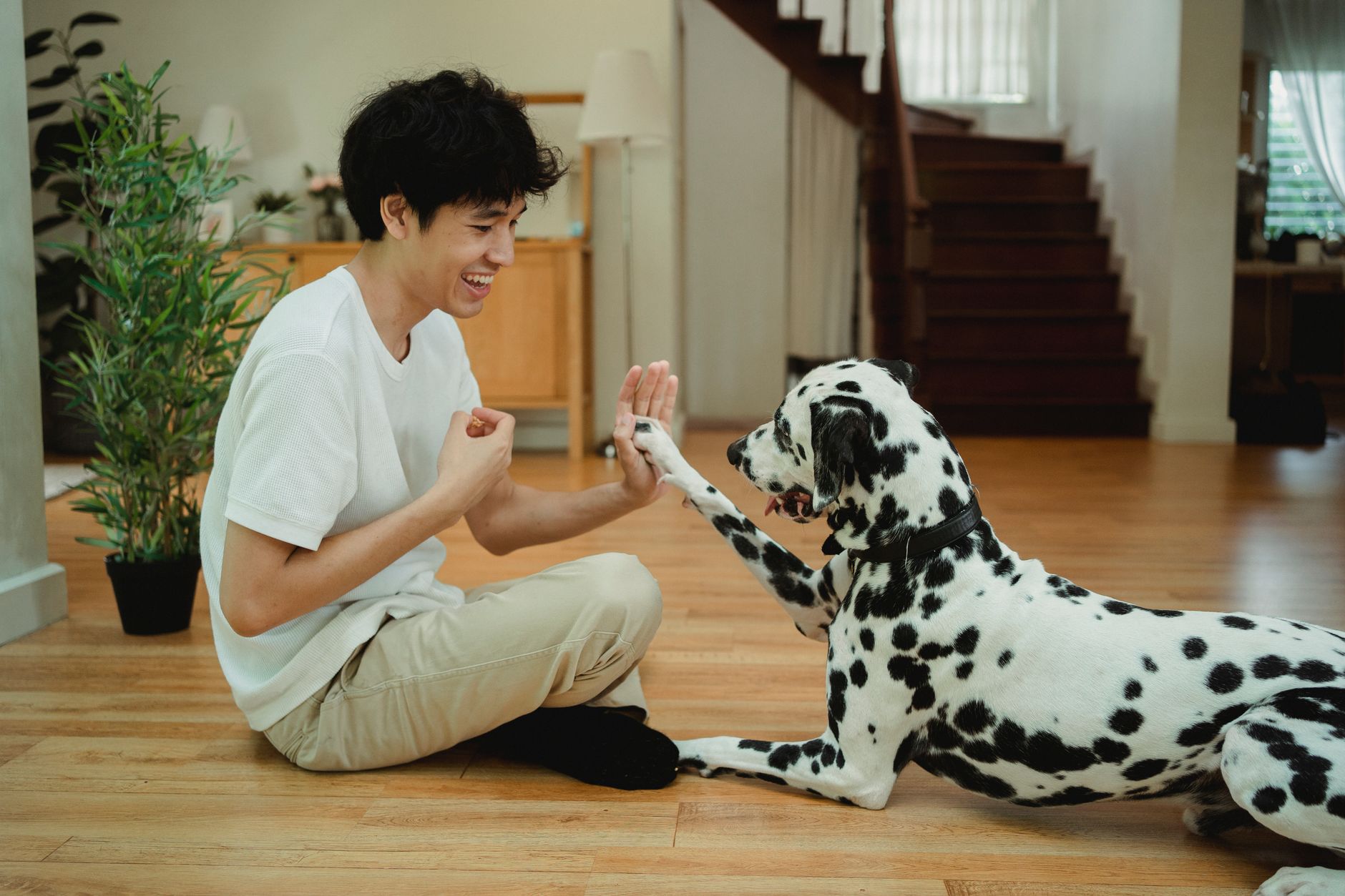
Training a dog that seems inherently resistant to commands requires a shift in perspective. What often appears as stubbornness is frequently a breakdown in communication, a lack of motivation, or an environment filled with competing distractions. When a dog refuses to sit, stay, or come, the root cause is rarely defiance in the human sense; rather, it is usually a sign that the training methodology is not aligning with the animal’s current learning state or level of engagement.
Understanding the Roots of Canine Resistance
To successfully train a dog at home, one must first identify why a specific behavior is not being performed. Scientific research into canine cognition suggests that dogs prioritize activities that offer the highest rate of reinforcement. If a dog ignores a command, it is often because the reward offered is less valuable than the environment or the current activity.
- Environmental Distractions: High-arousal environments make it difficult for dogs to focus. If a dog is constantly stimulated by external noises or sights, basic commands will naturally lose their priority.
- Lack of Clarity: Dogs learn through association. If a command is inconsistent, or if the timing of the reward is off by even a few seconds, the connection between the action and the expected outcome fails to solidify.
- Physical Discomfort: Before assuming a behavioral issue, it is vital to rule out physical pain. A dog that refuses to sit may be experiencing joint discomfort or hip issues that require veterinary intervention.
- The Reward Hierarchy: Not all treats are equal. A dry biscuit may suffice for simple tasks in a quiet room, but a high-value reward like boiled chicken or specialized training treats is necessary for challenging environments.
The Foundation of Positive Reinforcement
Positive reinforcement remains the gold standard for shaping canine behavior. This method focuses on rewarding desired actions rather than punishing mistakes. When a dog performs a command, the immediate delivery of a reward—be it a treat, a favorite toy, or verbal praise—increases the likelihood that the behavior will be repeated.
Consistency is the cornerstone of this approach. Every household member must use the same verbal cues and hand signals to avoid confusing the animal. If one person allows the dog on the furniture while another strictly prohibits it, the dog will struggle to understand the rules of the home, which often manifests as what owners perceive as stubbornness.
Strategic Training Sessions
Training should be broken into short, frequent intervals rather than one long, exhausting session. A dog’s attention span is limited, and forcing a dog to work for 30 minutes straight will lead to frustration for both the trainer and the animal. Five-minute sessions, repeated three to four times a day, often yield significantly better results.
Comparison Table: Common Training Approaches
| Strategy | Focus | Impact on Stubborn Dogs |
|---|---|---|
| Positive Reinforcement | Rewarding desired behaviors | High; builds trust and motivation |
| Lure and Reward | Using food to guide movement | High; excellent for teaching new tricks |
| Marker Training | Using a clicker or word to signal success | High; provides precise communication |
| Correction-Based | Using physical deterrents | Low; often leads to fear or avoidance |
Advanced Techniques for Increased Engagement
When basic training stalls, it is time to pivot toward more engaging techniques. Shaping, for instance, involves rewarding small, incremental steps toward a final goal. If the objective is to have the dog walk calmly on a leash, the dog is rewarded first for looking at the handler, then for taking a step without pulling, and finally for walking by the handler’s side.
Managing Distractions
Training in a controlled environment is essential before testing skills in the real world. Start in a quiet room with no distractions. Once the dog demonstrates mastery, gradually move to more stimulating areas, such as the backyard or a quiet driveway. This process, known as proofing, ensures that the dog understands the command regardless of the setting.
The Role of Mental Stimulation
A “stubborn” dog is often an under-stimulated one. High-energy breeds or intelligent dogs that do not have an outlet for their mental energy will often create their own entertainment, which can look like disobedience. Incorporating puzzle toys, scent work, and complex trick training can tire a dog out mentally, making them much more receptive to obedience work during formal training sessions.
Frequently Asked Questions
How long does it take to see progress with a difficult dog?
Progress is rarely linear. While some behaviors can be shaped in a few days, ingrained habits may take weeks or months of consistent reinforcement. Patience and adherence to a structured routine are the most critical factors.
Should I stop training if my dog seems frustrated?
Yes. If a dog begins to show signs of stress—such as yawning, lip licking, or turning away—the session should end. Ending on a positive note, perhaps by practicing a simple command the dog already knows, keeps the experience enjoyable.
Are there specific breeds that are more stubborn than others?
Certain breeds are more independent by nature, often due to their history as working or guardian dogs. These breeds may require more creative motivation and a higher value of rewards to stay engaged, but they are fully capable of learning with the right approach.
How do I handle a dog that ignores me outside?
This is typically a sign that the environment is more interesting than the handler. Increase the value of your rewards when outdoors, and practice in areas with low distractions before moving to busier locations.
Final Reflections on Training Success
Training a dog at home is an investment in the relationship between the handler and the canine. It requires a commitment to observing the dog’s behavior objectively and adjusting techniques based on what is actually working, rather than what is expected to work. When a dog seems stubborn, it serves as a prompt for the human to re-evaluate the clarity of the instructions, the motivation provided, and the environment in which the training is occurring.
By focusing on clear communication, high-value rewards, and consistent daily practice, most behavioral challenges can be overcome. The goal is not just to gain compliance, but to foster a cooperative partnership. As the dog begins to understand what is being asked, the frustration often gives way to a more harmonious living environment. Success in home training is ultimately a byproduct of persistence, empathy, and the willingness to adapt to the unique personality of the dog. Maintaining a calm demeanor throughout the process ensures that the training environment remains a place of learning rather than a source of stress, ultimately leading to a well-behaved and confident companion.
Featured Image Credit: Generated/Sourced via Runware.ai.
Disclaimer: This article is AI-generated for informational and educational purposes. While we strive to provide high-quality context and authority, the content should not be used as professional advice. The author/website assumes no liability for external links or factual omissions.
