


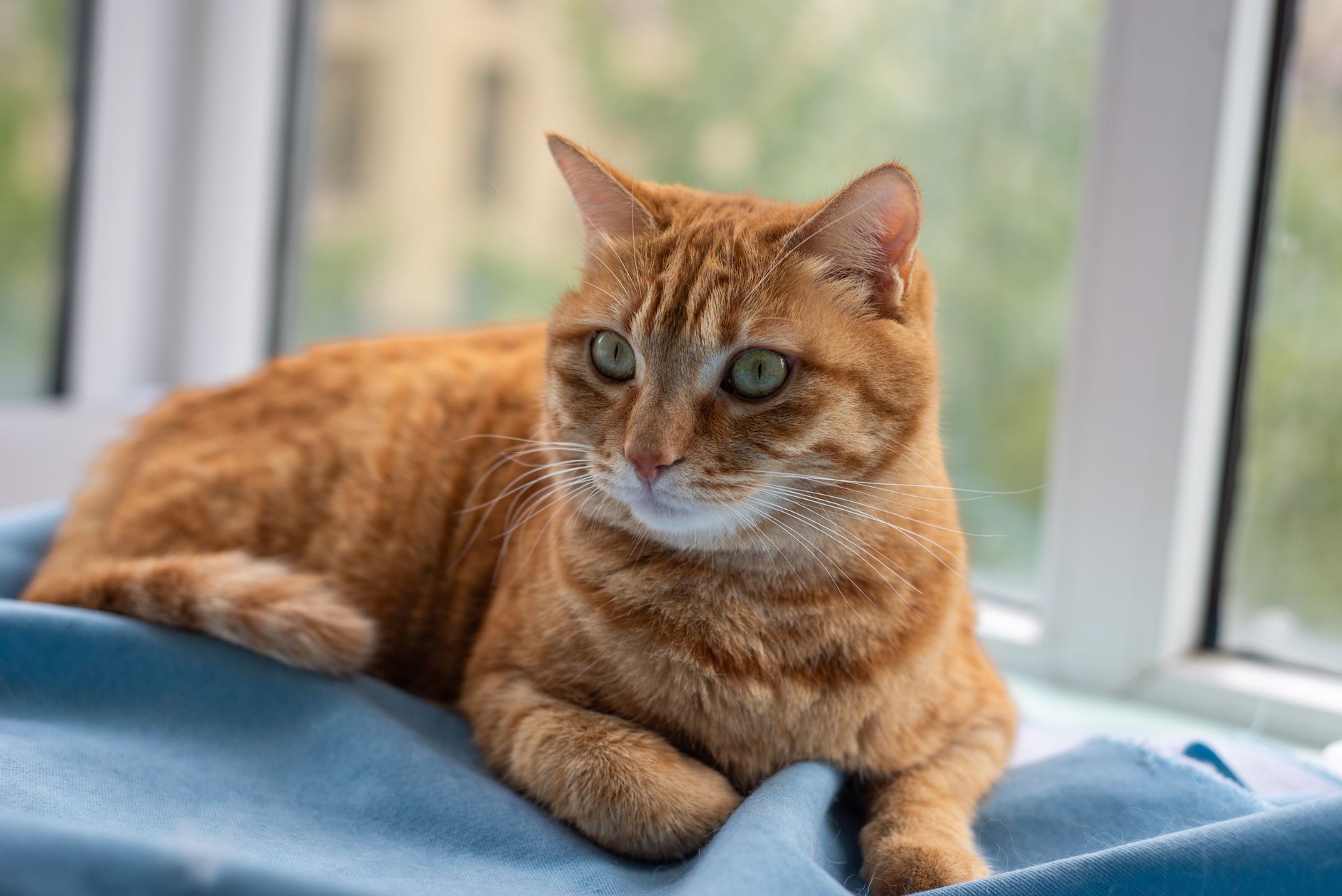
Indoor cats are masters of disguise. Evolutionarily, felines are wired to mask signs of pain or weakness to avoid appearing vulnerable to predators. In a domestic setting, this survival instinct often means that by the time an owner notices something is wrong, the condition may have already progressed significantly. Recognizing the subtle, early warnings of health issues is the most effective way to ensure a long, comfortable life for a companion animal.
Understanding Normal Feline Behavior
To identify when something is amiss, one must first establish a baseline for normal behavior. A healthy cat typically maintains a consistent routine regarding eating, drinking, grooming, and social interaction. Deviations from these established patterns serve as the primary indicators that a veterinary consultation might be necessary. While every cat has a unique personality, sudden shifts in energy levels, appetite, or bathroom habits are rarely coincidental and should be treated as diagnostic clues.
Subtle Behavioral Indicators
Behavioral changes are often the first sign of underlying health challenges. Because these shifts are gradual, they are frequently overlooked until the cat stops eating or becomes lethargic.
- Social Withdrawal: A cat that suddenly chooses to hide under furniture or in closets instead of joining the household may be experiencing pain or chronic discomfort.
- Irritability: Sudden aggression, hissing, or swatting when touched can indicate localized pain, such as arthritis or dental disease.
- Altered Activity Levels: A significant decrease in playtime or the inability to jump onto familiar high surfaces can signal joint issues or systemic fatigue.
- Vocalizations: Excessive meowing, particularly at night, can be a symptom of hyperthyroidism, high blood pressure, or cognitive dysfunction in senior cats.
Physical Cues and Grooming Habits
Cats are meticulous groomers. When a cat stops grooming, or conversely, begins over-grooming specific areas, it is a clear signal of a health issue. A matted, greasy, or dull coat often points to an inability to reach certain areas due to pain, obesity, or internal illness.
Furthermore, pay close attention to the eyes, ears, and nose. Discharge, persistent squinting, or an unusual odor from the ears can indicate infections that require medical intervention. Examining the mouth for red or inflamed gums is also crucial, as dental disease is one of the most common, yet frequently ignored, health problems in indoor cats.
The Importance of Monitoring Litter Box Habits
The litter box is an invaluable diagnostic tool. Changes in the frequency, volume, or consistency of waste can reveal a range of conditions, from kidney disease and diabetes to urinary tract infections.
- Frequency: An increase in urination volume often correlates with kidney issues or diabetes.
- Straining: Any sign of straining or vocalizing in the litter box is an emergency, particularly in male cats, as it can indicate a life-threatening urinary blockage.
- Consistency: Persistent diarrhea or constipation should be evaluated, as these can lead to dehydration and electrolyte imbalances.
Nutritional Shifts and Hydration
Appetite changes are often the most noticeable red flags. A complete loss of appetite is a clear emergency, but a gradual decrease in food intake can be just as concerning. Cats that suddenly become obsessed with water or start drinking from unconventional sources, such as faucets or potted plants, may be exhibiting signs of metabolic disease. Monitoring the weight of a cat is essential; even subtle weight loss can be difficult to detect under a thick coat, so regular weighing using a digital scale is recommended.
Health Indicator Comparison Table
| Symptom Category | Potential Concern | Action Required |
|---|---|---|
| Litter Box Habits | Urinary blockage, Diabetes | Immediate Veterinary Visit |
| Grooming Changes | Dental pain, Arthritis, Obesity | Consult Veterinarian |
| Appetite Loss | Kidney disease, Dental issue | Schedule Exam |
| Sudden Aggression | Chronic pain, Thyroid issue | Professional Assessment |
| Increased Thirst | Kidney failure, Diabetes | Blood work/Urinalysis |
Recognizing Pain in Felines
Pain in cats rarely presents as overt whining or crying. Instead, it manifests as a “flattened” demeanor. A cat in pain may sit in a hunched posture, keep its eyes narrowed, or refuse to move for long periods. Recognizing the Feline Grimace Scale—a clinical tool used to assess pain by looking at ear position, orbital tightening, and whisker changes—can help owners better understand their cat’s comfort level. If a cat shows a consistent change in facial expression or posture, it is time to seek professional input.
When to Seek Veterinary Care
The decision to visit a veterinarian should be based on the principle of “better safe than sorry.” If a behavior change persists for more than 24 to 48 hours, or if the cat seems distressed, a medical evaluation is warranted. Diagnostic testing, such as blood panels, urinalysis, and imaging, provides the objective data necessary to distinguish between temporary stress and chronic illness.
Chronic Conditions in Indoor Cats
As cats age, they become more susceptible to chronic illnesses. Early detection through annual or biannual wellness exams is critical.
- Chronic Kidney Disease (CKD): Common in older cats, often detected through increased thirst and weight loss.
- Hyperthyroidism: Characterized by weight loss despite an increased appetite and high energy levels.
- Diabetes Mellitus: Often linked to weight gain and inactivity, requiring dietary management and possibly insulin therapy.
- Osteoarthritis: Frequently unrecognized because cats hide their stiffness, but it can be managed with environment modifications and pain medication.
Environmental Enrichment and Preventive Care
Preventive care is the cornerstone of feline health. Providing a stimulating environment helps maintain mental health and physical activity. Vertical space, interactive toys, and scratching posts encourage natural behaviors. Additionally, maintaining a consistent diet and ensuring easy access to clean water helps prevent many common ailments.
Regular brushing sessions serve a dual purpose: they keep the coat healthy and provide an opportunity for the owner to conduct a “hands-on” health check, feeling for lumps, bumps, or tender areas that might otherwise go unnoticed.
Frequently Asked Questions
How often should my cat have a check-up?
Adult cats should see a veterinarian at least once a year. Senior cats, typically those over the age of seven or ten, should have check-ups every six months to monitor for age-related conditions.
Can I treat minor issues at home?
It is generally discouraged to treat feline health issues at home without veterinary guidance. Many human medications are toxic to cats, and home remedies can delay necessary treatment for serious underlying conditions.
Why do cats hide their illness?
In the wild, showing weakness makes a cat a target for predators. This survival instinct remains present in domestic cats, leading them to conceal symptoms until they can no longer cope.
Is weight loss always a sign of illness?
Weight loss is almost always a clinical sign that requires investigation. While it can be caused by changes in diet, it is frequently associated with metabolic diseases like diabetes or hyperthyroidism.
What is the most common sign of illness?
Changes in behavior, such as hiding, irritability, or changes in eating habits, are the most common indicators that a cat is unwell.
Conclusion
The health of an indoor cat relies heavily on the observational skills of the owner. By maintaining a sharp awareness of normal routines and acting promptly when deviations occur, owners can drastically improve the quality and length of their cat’s life. Feline wellness is not merely the absence of disease but the active management of physical and behavioral needs. Prioritizing routine veterinary care, monitoring the litter box, and observing daily habits ensures that subtle changes are caught early. Taking a proactive approach to health care allows for timely interventions, transforming potential long-term issues into manageable conditions, and ultimately fostering a supportive, healthy environment for the indoor cat.
Featured Image Credit: Generated/Sourced via Runware.ai.
Disclaimer: This article is AI-generated for informational and educational purposes. While we strive to provide high-quality context and authority, the content should not be used as professional advice. The author/website assumes no liability for external links or factual omissions.
