


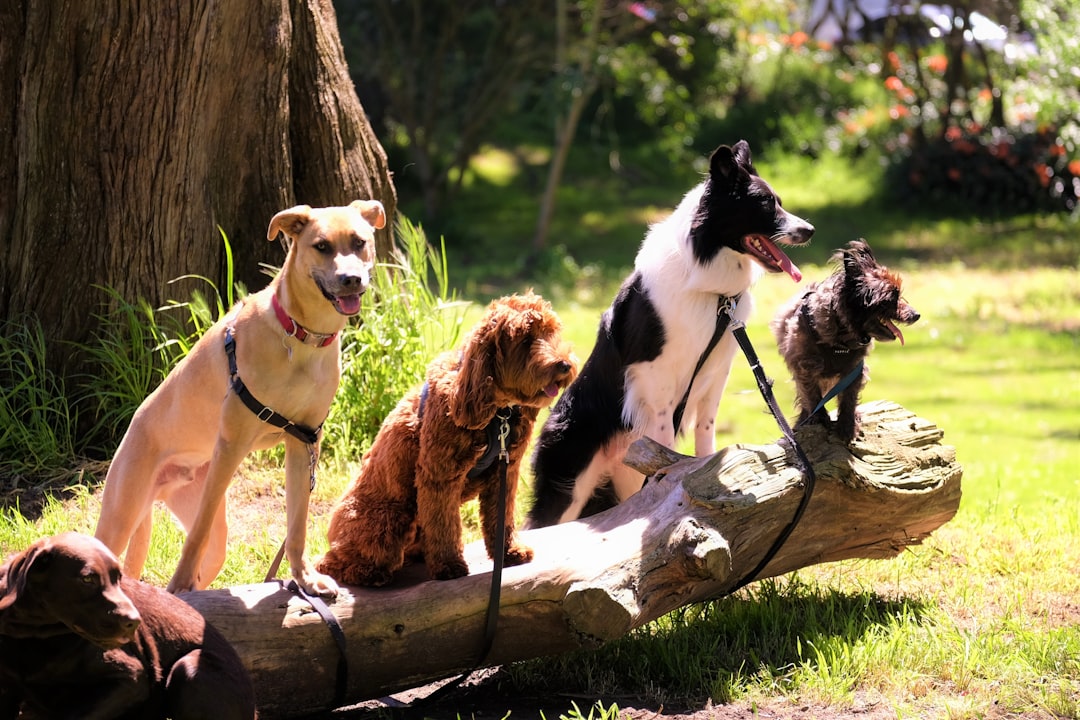
Managing a high-energy dog indoors requires a shift in perspective from purely physical exercise to a combination of mental stimulation and controlled movement. When environmental factors like rain, extreme heat, or limited outdoor space restrict access to traditional walks, dogs often develop behavioral issues rooted in boredom. According to the American Kennel Club, mental exhaustion is often more effective than physical exertion alone for calming an active canine. Engaging a dog’s brain through problem-solving and focus-based tasks redirects excess energy into productive outlets, preventing destructive habits like chewing or excessive barking.
The Science of Mental Stimulation
Mental enrichment is a cornerstone of canine welfare. Research published by the Royal Veterinary College suggests that providing opportunities for natural behaviors, such as sniffing, searching, and problem-solving, significantly lowers cortisol levels in dogs. An energetic dog is often a bored dog; providing challenges that require concentration tires them out more efficiently than repetitive physical motion. This approach mimics the cognitive load a dog would experience in a natural environment, utilizing their keen sense of smell and prey drive in a constructive, indoor-friendly manner.
Interactive Scent Work and Nose Games
Scent games are perhaps the most accessible and effective way to burn energy indoors. Because the olfactory center of a dog’s brain is vast compared to humans, utilizing this sense requires immense focus.
- The Muffin Tin Puzzle: Place high-value treats in the cups of a muffin tin and cover each cup with a tennis ball. The dog must figure out how to remove the ball to access the reward.
- Hide-and-Seek with Treats: Start by having the dog stay in one room while hiding small, aromatic treats throughout another room. Once the dog is released, the search begins.
- Scent Identification: Teach the dog to identify a specific scent, such as a drop of essential oil on a cotton swab, and reward them for alerting when they find the hidden object.
This type of enrichment is supported by studies from the Association of Professional Dog Trainers, which emphasize that nose work builds confidence and self-control in high-energy breeds.
Structured Indoor Training Sessions
Training is not just about basic obedience; it is an intense cognitive workout. Short, frequent sessions are more effective than long, sporadic ones. Focus on complex trick training to keep the dog engaged.
- Heelwork in Tight Spaces: Practice precision heeling in a hallway, incorporating turns and changes in pace.
- Advanced Tricks: Teach skills like “roll over,” “weave through legs,” or “put your toys away.” Each of these requires the dog to map out bodily movements, which demands high levels of concentration.
- The “Wait” and “Leave It” Game: Place a treat on the floor and practice impulse control. The mental effort required to ignore a reward until a release command is given is significant for an energetic animal.
According to guidelines from the Cornell University College of Veterinary Medicine, positive reinforcement training strengthens the human-animal bond while providing the structured mental outlet energetic dogs crave.
Indoor Agility and Physical Conditioning
When space is limited, stationary exercises or modified agility courses can provide a physical outlet. Safety is paramount; ensure the flooring provides traction to prevent slips.
- The Hallway Obstacle Course: Use household items like cardboard boxes for tunnels, broomsticks balanced on books for jumps, and chairs for weaving.
- Balance Training: Using a specialized canine balance disc or even a sturdy, low-profile cushion, encourage the dog to stand with all four paws on the unstable surface. This engages the core muscles and provides a low-impact workout.
- Stair Exercises: For dogs without joint issues, walking up and down stairs (with supervision) is an excellent way to build muscle and expend energy.
Guidance provided by the University of Illinois College of Veterinary Medicine notes that core strengthening exercises contribute to better long-term physical health, especially in active breeds prone to joint stress.
Comparison of Indoor Enrichment Methods
| Method | Primary Benefit | Effort Level (Dog) | Suitability |
|---|---|---|---|
| Scent Work | Mental Fatigue | High | All Breeds |
| Trick Training | Cognitive Development | Medium | All Ages |
| Balance Training | Physical Conditioning | Medium | Adult Dogs |
| Puzzle Toys | Independent Play | Low to Medium | High-Energy Dogs |
Utilizing Puzzle Toys and Feeders
For owners who need to keep their dogs occupied while attending to other tasks, puzzle toys and slow feeders are essential. These tools turn mealtime into an activity.
- Frozen Kongs: Stuffing a hollow rubber toy with wet food, yogurt, or pumpkin and freezing it extends the time it takes to consume a meal from seconds to 30 minutes.
- Snuffle Mats: These fabric mats hide dry food within strips of fleece, forcing the dog to forage as they would in nature.
- Dispensing Balls: Toys that require the dog to nudge or roll them to release kibble encourage physical movement and problem-solving simultaneously.
Resources from the Tufts University Cummings School of Veterinary Medicine highlight that environmental enrichment through feeding toys helps prevent the development of stereotypic behaviors in confined animals.
The Importance of Calmness Training
Part of managing an energetic dog is teaching them how to switch off. The “Place” command—where a dog must stay on a specific mat or bed until released—is a vital skill. This is not about restriction, but about teaching the dog to regulate their own arousal levels. Practicing this during the day helps the dog understand that indoor time is for settling. The Ohio State University Veterinary Medical Center suggests that incorporating “calmness cues” into the daily routine helps energetic dogs transition from high-intensity play to relaxation more effectively.
Frequently Asked Questions
How long should indoor sessions last?
Keep sessions short, typically between 5 to 15 minutes. High-intensity mental work can be more tiring than a 30-minute walk, so observe the dog for signs of fatigue, such as lying down or losing interest.
Can indoor activities replace outdoor exercise entirely?
While indoor activities are excellent for mental stimulation, they should complement, not replace, outdoor exercise. Outdoor environments provide sensory input that cannot be replicated indoors.
What if my dog is not interested in puzzle toys?
Some dogs require a “training period” to learn how to use puzzle toys. Start with the easiest setting or a simpler toy, and reward the dog for interacting with it until they understand the objective.
How do I prevent my dog from getting overstimulated?
If a dog becomes too excited, stop the activity immediately. Use a calm voice and remove the stimulus. Focus on low-arousal activities like scent games or relaxation training to bring their energy levels back down.
Are there specific activities for senior dogs?
Senior dogs benefit from low-impact scent games and trick training that does not involve jumping or fast turns. Focus on activities that keep their minds sharp without stressing their joints.
Conclusion
Managing an energetic dog indoors is a matter of balancing mental engagement, physical conditioning, and structured relaxation. By integrating scent work, complex training, and environmental enrichment, it is possible to maintain a dog’s well-being regardless of the weather or space limitations. The key lies in consistency and selecting activities that challenge the dog’s natural instincts. As outlined by the University of California, Davis School of Veterinary Medicine, a comprehensive enrichment plan is the most effective way to address the needs of high-energy animals. By shifting the focus from simply burning off physical energy to building a more resilient, cognitively stimulated dog, the indoor experience becomes a productive time for both the animal and the owner. Start with small, manageable sessions and observe how these techniques transform daily behavior. With the right approach, even the most active dogs can thrive in an indoor environment, finding satisfaction in the challenges provided.
Featured Image Credit: Generated/Sourced via Unsplash.
Disclaimer: This article is AI-generated for informational and educational purposes. While we strive to provide high-quality context and authority, the content should not be used as professional advice. The author/website assumes no liability for external links or factual omissions.
