


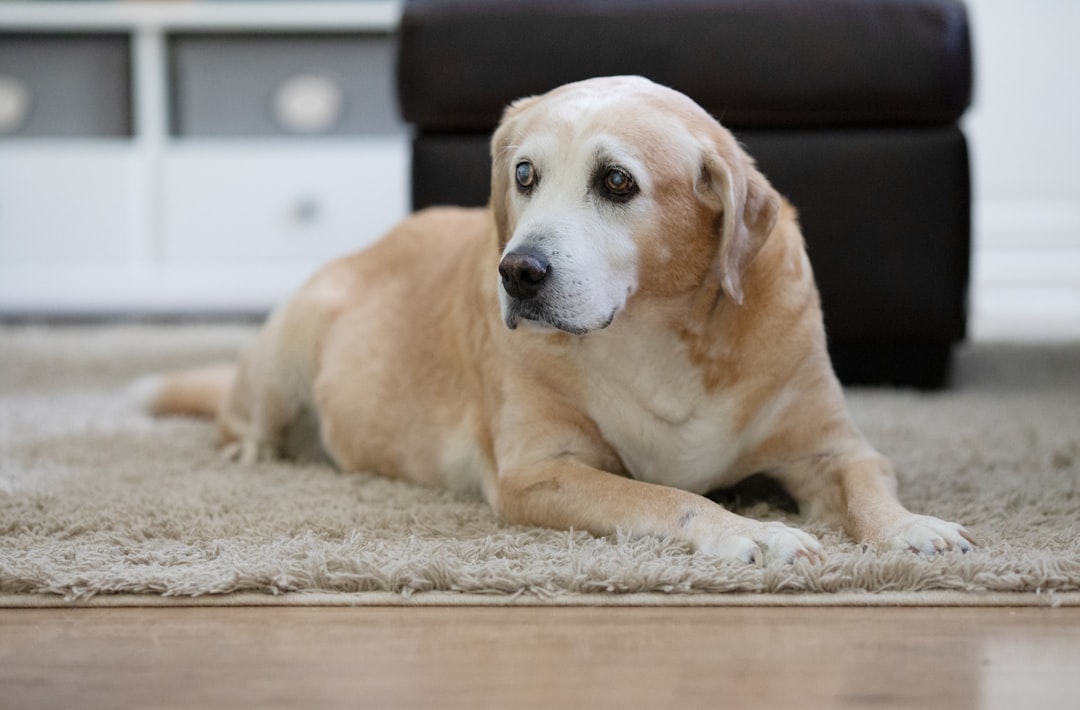
Aging in dogs is a natural process that brings distinct physiological changes. As a dog enters its senior years—typically around age seven for larger breeds and slightly later for smaller ones—the focus of care must shift from maintenance to proactive support. Establishing a healthy lifestyle for an older dog requires consistency, observation, and a commitment to addressing the specific biological needs that accompany the transition into the senior life stage.
The Foundation of Senior Canine Nutrition
Nutrition serves as the cornerstone of longevity. As metabolism slows, the caloric requirements for senior dogs often decrease, making weight management a critical priority. Obesity in older dogs exacerbates joint stress, worsens heart conditions, and increases the risk of diabetes.
High-quality senior diets are formulated to provide lower caloric density while maintaining high-quality protein levels to preserve muscle mass. Protein is essential for immune function and tissue repair, but it must be highly digestible to reduce the workload on aging kidneys. Furthermore, many senior formulations include increased levels of omega-3 fatty acids, which provide anti-inflammatory benefits for dogs suffering from osteoarthritis.
Fiber intake also becomes more relevant in the later years to assist with digestive health and satiety. Monitoring a dog’s body condition score—an objective measure of fat distribution—is more accurate than relying solely on a scale, as muscle atrophy can mask weight gain.
Maintaining Mobility Through Controlled Exercise
Exercise remains vital for senior dogs, though the intensity and duration must be adjusted. The goal is to sustain muscle tone and joint flexibility without causing excessive strain. Sedentary behavior often leads to a rapid decline in physical function, creating a cycle of stiffness and inactivity.
Low-impact activities, such as controlled leash walks on soft surfaces like grass or dirt, are preferable to high-impact games like jumping or sharp turns. Swimming is an excellent alternative, as the buoyancy of water allows for cardiovascular conditioning with minimal impact on arthritic joints.
Strategies for Safe Activity
- Frequent, Short Sessions: Instead of one long walk, implement multiple shorter walks throughout the day to prevent fatigue.
- Surface Selection: Avoid concrete or asphalt when possible, as these hard surfaces provide no shock absorption for aging joints.
- Warm-up and Cool-down: Gentle massage or slow-paced walking before and after exercise helps prepare muscles and prevents post-activity stiffness.
- Mental Stimulation: If physical movement is limited by severe mobility issues, utilize scent games or puzzle feeders to keep the brain active.
Comparative Overview of Life Stage Needs
The following table highlights the shift in care requirements as a dog transitions from adulthood to the senior stage.
| Focus Area | Adult Dog Needs | Senior Dog Needs |
|---|---|---|
| Caloric Intake | Higher, energy-dense | Lower, nutrient-dense |
| Exercise Intensity | High, endurance-focused | Moderate, low-impact |
| Vet Frequency | Annual check-ups | Bi-annual wellness exams |
| Joint Support | Preventative | Therapeutic/Management |
| Dental Care | Standard maintenance | Aggressive monitoring |
Proactive Veterinary Care and Monitoring
Senior dogs require more frequent medical oversight. Bi-annual wellness examinations allow veterinarians to identify subtle changes before they become chronic issues. Blood work, including complete blood counts and serum chemistry panels, can reveal early-stage kidney or liver dysfunction, often before physical symptoms appear.
Dental health is another frequently overlooked aspect of senior care. Periodontal disease is highly prevalent in older dogs and serves as a gateway for bacteria to enter the bloodstream, potentially affecting the heart and kidneys. Regular professional cleanings, combined with daily at-home oral hygiene, are essential to preventing systemic health complications.
Environmental Modifications for Comfort
As sensory perception and physical stability decline, the home environment should be adjusted to accommodate these changes. Making small, practical modifications can significantly reduce the risk of injury and alleviate anxiety.
- Traction Control: Place non-slip rugs or yoga mats on hardwood or tile floors to prevent slipping, which is a major cause of injury in dogs with arthritis or neurological weakness.
- Accessibility: Use ramps for getting in and out of vehicles or accessing elevated furniture to protect aging spines and joints.
- Lighting: Increase ambient lighting in hallways and living areas to assist dogs experiencing age-related vision loss.
- Supportive Bedding: Orthopedic memory foam beds provide the necessary pressure relief for bony prominences and arthritic joints, ensuring better quality sleep.
Cognitive Health and Mental Well-being
Canine Cognitive Dysfunction (CCD) is a condition similar to dementia in humans. While not every senior dog will develop severe cognitive decline, proactive mental engagement can help maintain neural pathways. Consistent routines provide a sense of security, while gentle training sessions using positive reinforcement keep the brain sharp.
If a dog begins to show signs of disorientation, changes in sleep-wake cycles, or social withdrawal, consult a veterinarian immediately. Various supplements and prescription diets are designed to support cognitive function and may help mitigate the severity of these symptoms if introduced early.
Frequently Asked Questions About Senior Dog Health
How do I know if my dog is in pain?
Senior dogs are often stoic. Signs of pain include reluctance to climb stairs, hesitation before jumping, changes in sleeping patterns, increased panting, or behavioral shifts such as irritability or withdrawal.
Should I change my dog’s diet if they are still healthy?
If a dog is thriving on their current diet, a drastic change is not always necessary. However, consulting a professional regarding the inclusion of joint-support supplements or transition to a diet with better nutrient bioavailability is advisable as they reach the senior milestone.
How much sleep is normal for a senior dog?
It is normal for senior dogs to sleep more, often between 14 and 18 hours per day. However, a sudden, drastic increase in sleep or an inability to be roused should be evaluated by a professional.
Are supplements effective for joint health?
Many supplements containing glucosamine, chondroitin, and methylsulfonylmethane (MSM) have shown efficacy in supporting joint lubrication and reducing inflammation. Always verify the quality and dosage with a veterinarian before starting any regimen.
How can I help my dog with vision loss?
Maintain a consistent furniture arrangement to help the dog navigate via memory. Avoid moving food and water bowls, and use verbal cues to guide them during walks.
Conclusion
Supporting a senior dog is a process that requires attention to detail and a willingness to evolve alongside the animal’s changing needs. By prioritizing nutrition, adapting exercise routines, maintaining proactive veterinary care, and creating an accessible home environment, it is possible to enhance the quality of life for an aging canine. These habits do not merely extend the time spent together; they ensure that those years are characterized by comfort, dignity, and vitality. Every adjustment made, whether it is adding a ramp or scheduling a bi-annual check-up, contributes to a comprehensive strategy that respects the unique requirements of the senior life stage. Observation remains the most powerful tool available, as noticing minor changes early often dictates the success of long-term care plans. Commit to these consistent, evidence-based practices to foster a supportive environment where a senior dog can thrive throughout their later years.
Featured Image Credit: Generated/Sourced via Unsplash.
Disclaimer: This article is AI-generated for informational and educational purposes. While we strive to provide high-quality context and authority, the content should not be used as professional advice. The author/website assumes no liability for external links or factual omissions.
