


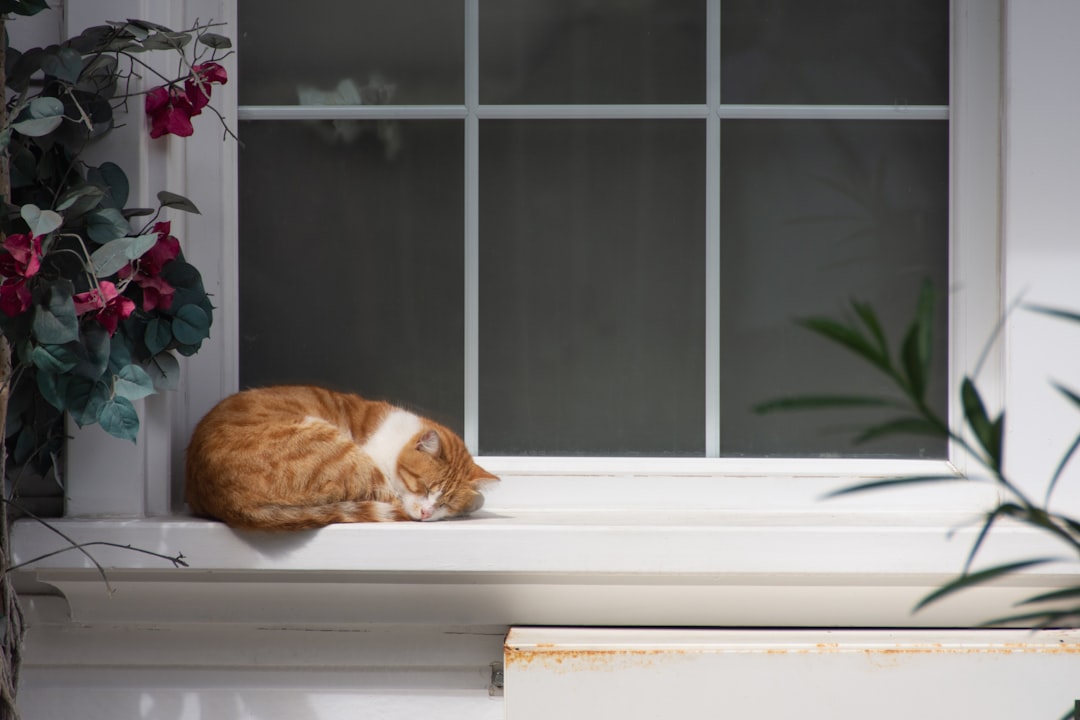
The life of an indoor cat offers safety from environmental hazards and predators, yet it presents a unique challenge: the need for environmental stimulation. Domestic cats retain the instincts of their wild ancestors, including the drive to hunt, climb, forage, and patrol territory. When these biological needs remain unmet, cats may develop stress-related behaviors, including over-grooming, lethargy, or destructive habits. Providing high-quality enrichment is not merely a luxury; it is a fundamental component of feline welfare that supports long-term behavioral health.
Understanding Feline Environmental Needs
Environmental enrichment involves modifying a cat’s surroundings to encourage natural behaviors. The goal is to create a dynamic space that shifts the cat’s role from a passive observer to an active participant in their environment. Experts emphasize that enrichment should address the five primary pillars of a healthy feline environment: a safe space, multiple key resources, opportunity for play and predatory behavior, positive human-cat social interaction, and an environment that respects the importance of the sense of smell.
Vertical Space and Territory Expansion
Cats perceive their world in three dimensions. While a floor-based living space is necessary, it often fails to provide the security and vantage points cats crave. Vertical enrichment allows a cat to survey their territory from an elevated position, which naturally lowers stress levels.
- Cat Trees and Towers: Multi-level structures provide scratching surfaces and high-altitude resting spots.
- Window Perches: These allow for visual stimulation, which is crucial for indoor cats to observe outdoor movement without the risk of actual engagement.
- Wall-Mounted Shelving: Installing carpeted shelves creates a “cat highway,” allowing movement across a room without touching the floor.
Sensory Stimulation and Foraging
In the wild, cats spend a significant portion of their day tracking and capturing prey. Indoor life often removes this challenge, leading to boredom. Transforming mealtime into a mental exercise can replicate the hunting cycle.
- Food Puzzles: Instead of a standard bowl, utilize puzzle feeders that require the cat to nudge, paw, or manipulate the device to release kibble. This slows down eating and provides cognitive engagement.
- Scent Enrichment: Introducing safe, non-toxic scents like silver vine, dried valerian, or fresh catnip can trigger playful or relaxed responses. Rotated scents keep the environment novel and engaging.
- Foraging Games: Hide small portions of dry food in different locations around the home to encourage the cat to “hunt” for their dinner, utilizing their natural olfactory senses.
Structured Play and Physical Activity
Interactive play is the gold standard for bonding and exercise. It is essential to distinguish between independent play—where the cat engages with toys alone—and interactive play, where a human facilitates the hunt.
The Anatomy of a Successful Play Session
To mimic the natural hunting sequence, play sessions should follow a predictable rhythm: stalk, chase, pounce, and catch. Using a wand toy, move the “prey” in a way that mimics the movement of a bird or rodent—erratic, darting, and occasionally hiding behind furniture.
- The “Catch” is Critical: Always allow the cat to capture the toy at the end of the session. This provides the satisfaction of a successful hunt.
- Post-Play Nutrition: Following the hunt with a meal or a high-value treat completes the cycle, triggering the natural feline “hunt, catch, kill, eat, sleep” rhythm.
- Frequency: Aim for two 15-minute sessions daily. Consistency is more effective than one long, exhausting session once a week.
Comparison of Enrichment Methods
| Enrichment Category | Primary Benefit | Implementation Effort |
|---|---|---|
| Puzzle Feeders | Cognitive stimulation | Low |
| Vertical Climbing | Physical exercise/Security | High (Installation) |
| Interactive Wand Play | Bonding/Predatory release | Moderate |
| Scent Introduction | Sensory engagement | Very Low |
| Window Watching | Visual stimulation | Low |
Managing Environmental Boredom
When cats lack sufficient outlets for their energy, they often invent their own, which may manifest as scratching furniture or excessive vocalization. Proactive enrichment serves as a preventative measure. It is important to rotate toys rather than leaving all of them out simultaneously. A toy that is always available loses its novelty. By keeping a “toy library” and swapping items every few days, the environment stays fresh and interesting.
Frequently Asked Questions
How much enrichment does an indoor cat need daily?
While every cat has a different personality, most experts suggest at least 30 minutes of dedicated interactive play daily, supplemented by constant access to environmental puzzles and vertical resting spots.
Are laser pointers good for cat enrichment?
Laser pointers provide visual stimulation but lack a physical “catch,” which can lead to frustration for some cats. If using a laser, always finish the session by tossing a physical toy or treat for the cat to catch so they feel the hunt was successful.
Can an indoor cat be over-stimulated?
Yes. It is important to watch for signs of over-stimulation, such as dilated pupils, tail twitching, or sudden aggression. If a cat shows these signs, provide them with a quiet space to retreat and lower the intensity of the play.
Do older cats require less enrichment?
Older cats still require mental stimulation to maintain cognitive function, but the intensity of physical play should be adjusted based on their mobility. Focus more on puzzle feeders and scent-based activities rather than high-impact jumping.
Conclusion
Enrichment for indoor cats is a dynamic process that evolves alongside the cat. By prioritizing vertical territory, implementing foraging opportunities, and committing to regular interactive play, owners can significantly improve the mental and physical well-being of their feline companions. The objective is not to create a constant state of activity, but to provide a stimulating environment that allows the cat to express their natural behaviors in a safe and satisfying way. By observing how a cat interacts with their environment, owners can tailor these strategies to suit individual preferences, ensuring a healthy and fulfilling life for their indoor cat. Consistent, thoughtful enrichment is the most effective way to foster a calm, confident, and contented cat.
Featured Image Credit: Generated/Sourced via Unsplash.
Disclaimer: This article is AI-generated for informational and educational purposes. While we strive to provide high-quality context and authority, the content should not be used as professional advice. The author/website assumes no liability for external links or factual omissions.
