


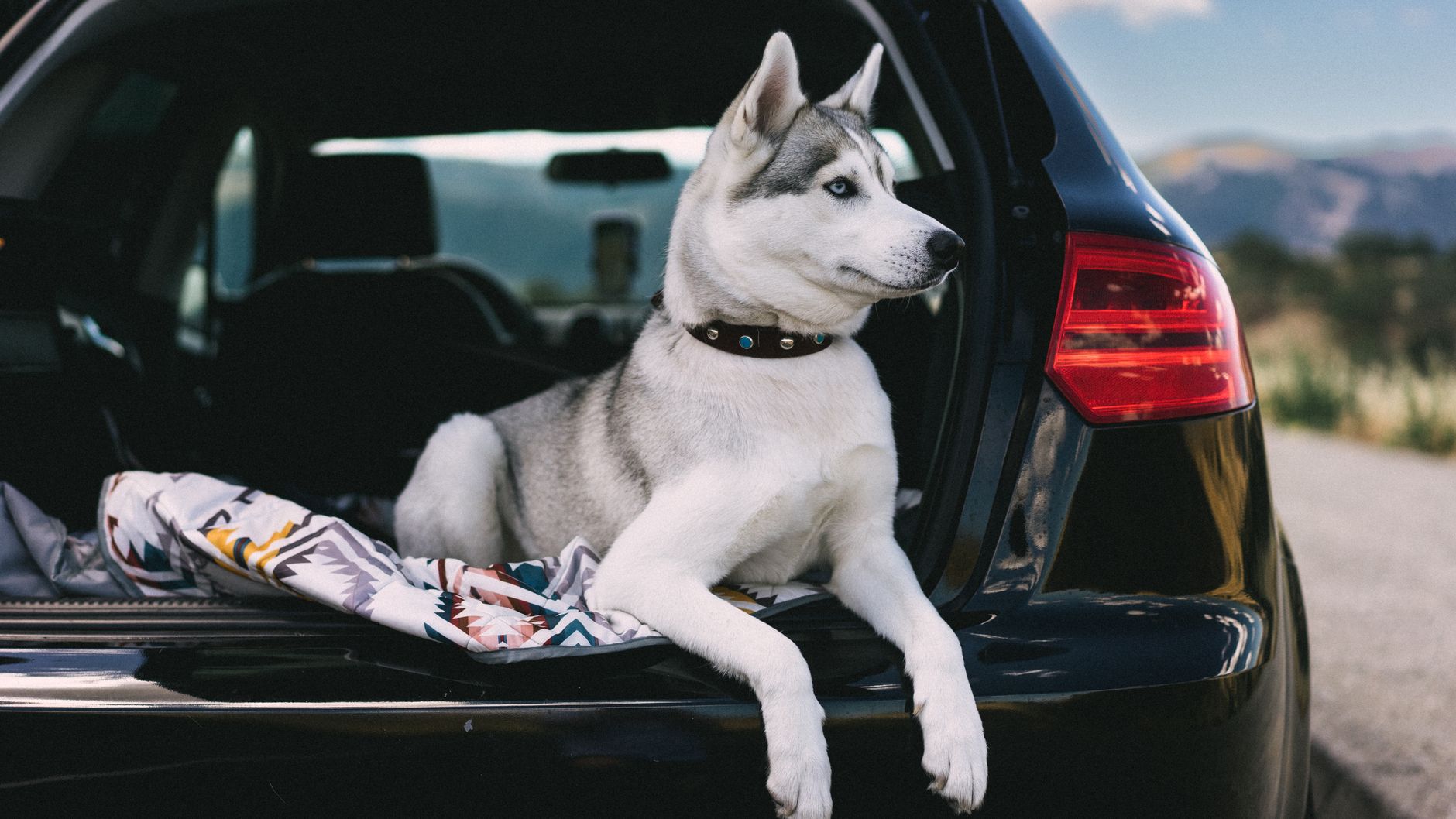
Planning for a Successful Journey
Preparing for a long road trip with a pet requires more than just loading the car and hitting the highway. Success hinges on a systematic approach that prioritizes animal welfare, legal compliance, and logistical efficiency. Before departure, it is essential to consult with a veterinarian to ensure the animal is healthy enough for extended travel and to address any specific medical requirements.
A primary step involves verifying that all identification is current. Microchips should be updated with the most recent contact information, and pets should wear a sturdy collar with an ID tag containing a mobile phone number. Researching the route for pet-friendly stops—such as parks, rest areas with green space, and hotels—is a foundational element of trip planning.
Essential Safety Equipment for the Vehicle
Safety inside the vehicle is paramount to prevent injury to both the pet and the passengers. Loose pets can become projectiles during sudden stops or accidents, and they can also distract the driver.
- Crash-tested crates: Securely fastened crates provide a familiar, den-like environment that reduces stress.
- Pet seat belts and harnesses: These devices tether the animal to the seat belt system, allowing for movement while preventing the pet from roaming the cabin.
- Barriers and dividers: Mesh or metal barriers keep pets in the cargo area or back seat, preventing them from accessing the front of the vehicle.
- Window guards: These allow for ventilation without the risk of the pet jumping or falling out of an open window.
Health and Wellness Preparation
A long road trip changes a pet’s environment, diet, and exercise routine. Minimizing these disruptions is key to preventing anxiety and physical distress. Bringing familiar items, such as a favorite blanket or bed, helps replicate the scent and comfort of home.
Medication protocols should be established well in advance. If a pet suffers from motion sickness, veterinary-prescribed anti-nausea medication may be necessary. Furthermore, maintain a travel-sized medical kit that includes:
- Gauze and bandages for minor wounds.
- Antiseptic wipes.
- Current vaccination records and health certificates.
- A list of emergency veterinary clinics along the planned route.
Nutritional and Hydration Management
Feeding habits should remain as consistent as possible throughout the journey. Large, heavy meals shortly before or during travel can exacerbate motion sickness. Instead, offer smaller, frequent snacks.
Hydration is equally vital. Use spill-proof travel bowls to ensure constant access to fresh water without creating a mess. It is a standard practice to carry a gallon of water from home, as sudden changes in water chemistry can sometimes cause gastrointestinal upset in sensitive animals.
Comparing Travel Safety Methods
| Method | Best For | Key Benefit |
|---|---|---|
| Crash-Tested Crate | Dogs and Cats | Highest level of protection in an impact |
| Seat Belt Harness | Medium to Large Dogs | Allows for moderate movement and comfort |
| Vehicle Barrier | Large Dogs | Keeps the driver area clear of distractions |
| Soft-Sided Carrier | Small Pets | Familiarity and easy portability |
The Daily Routine on the Road
Consistency in the daily schedule helps pets understand what to expect. Frequent stops are necessary for exercise and bathroom breaks. Aim to stop every three to four hours for a minimum of 20 minutes. During these breaks, keep the pet on a leash at all times, even in areas that appear quiet, to prevent them from bolting due to sudden noises or new scents.
Environmental control within the vehicle is also a factor. Maintain a comfortable temperature, ensuring that the air conditioning or heating reaches the area where the pet is secured. Never leave a pet unattended in a parked vehicle, as temperatures can rise to dangerous levels in minutes, even on mild days or with the windows partially cracked.
Managing Pet Stress and Anxiety
Travel anxiety manifests differently in every animal. Signs may include excessive panting, pacing, whining, or lethargy. Introducing the vehicle to the pet through short, positive trips before the long journey can help desensitize them to the experience.
For pets that remain highly anxious, pheromone sprays or calming wraps can offer non-invasive relief. It is important to monitor the pet’s behavior closely and adjust the pace of the trip if the animal shows signs of prolonged distress. If the animal refuses to eat or drink for an extended period, it serves as an indicator that the travel pace should be slowed or a longer rest period in a stationary environment is required.
Frequently Asked Questions
How can I help my pet get used to riding in a car?
Start with short, frequent trips to pleasant destinations, such as a local park, to create positive associations. Gradually increase the duration of these trips over several weeks leading up to the main departure.
What should I do if my pet gets sick during the drive?
Stop as soon as it is safe to do so. Allow the pet to step outside for fresh air. Keep them calm and offer small amounts of water. If vomiting is severe or persistent, consult a veterinarian immediately.
Are there specific laws regarding pet travel?
Regulations vary by jurisdiction. Some regions require pets to be restrained in a vehicle, while others mandate specific health certificates for crossing state or international borders. Always verify the requirements for your specific destination.
Is it necessary to use a crate if my pet is well-behaved?
Yes. Even the most well-behaved pet can react unpredictably in an emergency. A restraint system protects the animal from impact and prevents them from interfering with the driver’s ability to operate the vehicle safely.
Conclusion
Traveling with a pet on a long road trip is a rewarding endeavor when approached with foresight and careful planning. By focusing on mechanical safety, health maintenance, and environmental comfort, the experience can be enjoyable for both the owner and the animal. The key to a successful trip lies in the preparation of a comprehensive checklist, the inclusion of familiar comforts, and a commitment to frequent, structured breaks.
As you finalize your plans, prioritize the physical and emotional state of your pet above all else. This methodical approach ensures that the journey is safe and predictable, allowing for a focus on the shared experience of the destination rather than the stress of the road. Regularly review your checklist, maintain your equipment, and remain flexible to the needs of your animal companion throughout the adventure. By following these guidelines, you create a foundation for many successful trips in the future.
Featured Image Credit: Generated/Sourced via Runware.ai.
Disclaimer: This article is AI-generated for informational and educational purposes. While we strive to provide high-quality context and authority, the content should not be used as professional advice. The author/website assumes no liability for external links or factual omissions.
