


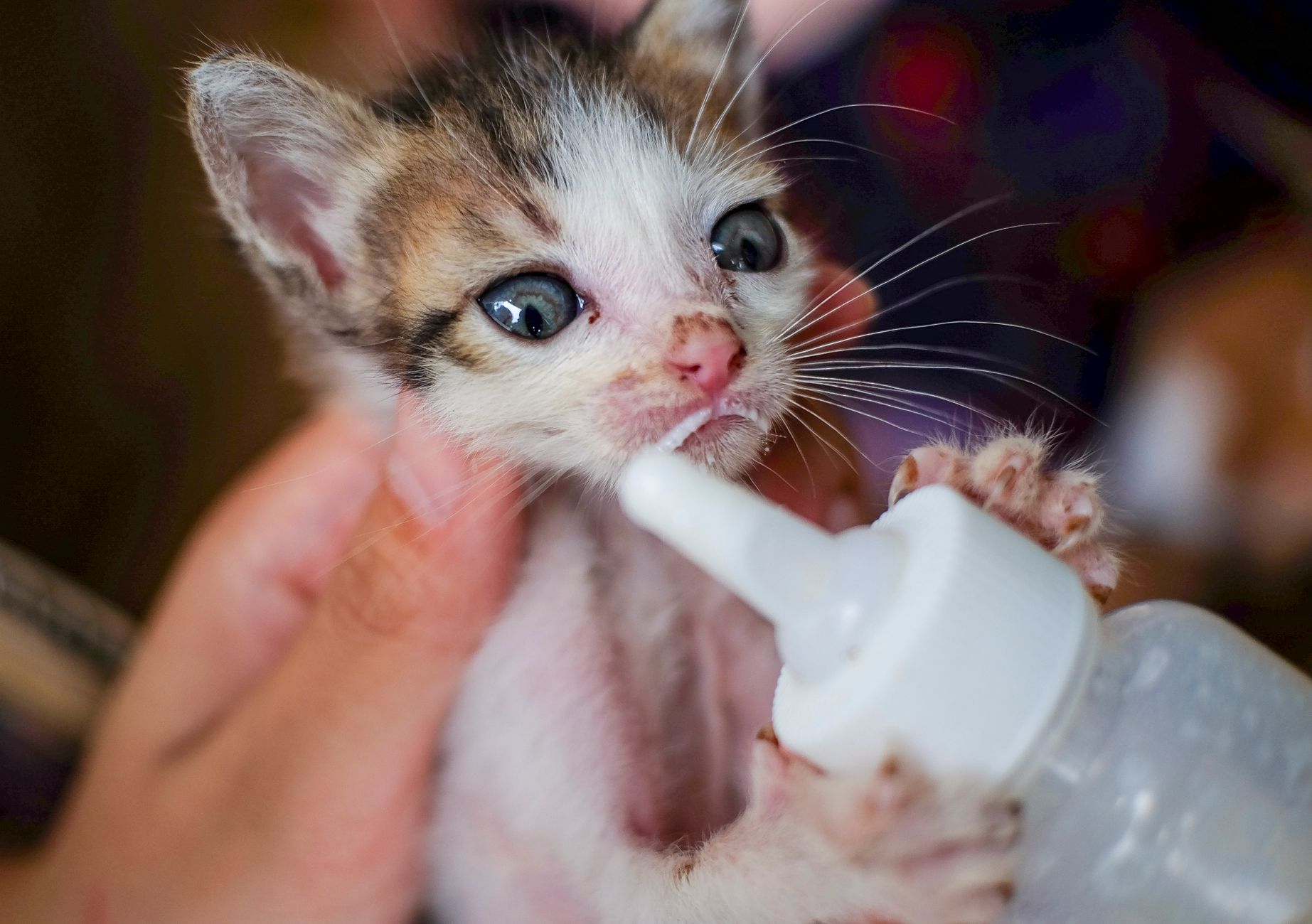
Bringing a kitten into the home marks the start of a long-term commitment that requires careful planning and a thorough understanding of feline biology. Kittens are highly impressionable and physically vulnerable during their first few months, making the quality of care provided during this stage a significant factor in their long-term health and behavioral stability.
Preparing the Home Environment
Before the kitten arrives, the environment must be assessed for potential hazards. Kittens possess an innate curiosity that often leads them to explore tight spaces, chew on electrical cords, and ingest toxic substances. Securing the home involves removing poisonous houseplants, such as lilies, which are notoriously lethal to cats, and ensuring that small objects that could be swallowed are stored away.
A dedicated “safe room” is recommended for the first few days. This space should contain:
- A shallow litter box that is easy for the kitten to climb into.
- Fresh, clean water and age-appropriate kitten food.
- A comfortable, warm bed tucked away from high-traffic areas.
- Scratching surfaces to redirect natural clawing behaviors.
Nutritional Requirements for Rapid Growth
Kittens experience their most rapid growth phase during the first six months of life. Consequently, they require a diet specifically formulated for growth rather than maintenance. High-quality commercial kitten food provides the necessary protein, calcium, and phosphorus to support bone and muscle development.
Feeding schedules should be consistent. While adult cats may thrive on two meals a day, kittens require smaller, more frequent feedings—typically three to four times daily—to accommodate their smaller stomach capacity and high metabolic rate. Fresh water must be available at all times, as proper hydration is vital for kidney function and overall health.
Veterinary Care and Preventive Medicine
The initial visit to a veterinarian is the cornerstone of responsible kitten ownership. This visit typically includes a comprehensive physical examination to check for congenital defects, heart murmurs, or parasites.
Core vaccinations are essential to protect the kitten from common and potentially fatal diseases. The standard schedule often includes:
- FVRCP (Feline Viral Rhinotracheitis, Calicivirus, and Panleukopenia) vaccination series.
- Rabies vaccination, administered according to local legal requirements.
- Regular deworming protocols to eliminate internal parasites like roundworms and hookworms.
- Flea and tick prevention, using products specifically labeled as safe for kittens.
Spaying or neutering is a critical health intervention. Beyond population control, these procedures significantly reduce the risk of certain reproductive cancers and can help mitigate undesirable behavioral traits associated with sexual maturity.
Comparison of Kitten Care Essentials
| Category | Requirement | Frequency |
|---|---|---|
| Nutrition | Growth-formula kitten food | 3-4 times daily |
| Grooming | Brushing and nail trimming | Weekly |
| Veterinary | Wellness exams & vaccinations | Every 3-4 weeks until 16 weeks |
| Enrichment | Active play sessions | Daily |
| Hygiene | Litter box maintenance | Daily scooping |
Socialization and Behavioral Development
Socialization is the process of exposing a kitten to various stimuli, people, and environments in a positive manner. The window for optimal socialization is generally between two and seven weeks of age, though it continues throughout the kitten’s youth. Exposure to different surfaces, sounds, and handling techniques helps build a confident and adaptable adult cat.
Scratching is a normal feline behavior used for marking territory and maintaining claw health. Owners should provide sturdy scratching posts made of sisal or cardboard to satisfy this instinct. If a kitten begins scratching furniture, redirection to the appropriate post is more effective than punishment, which can cause fear and damage the human-animal bond.
Litter Box Training
Most kittens learn litter box habits from their mothers, but they may need guidance in a new environment. A kitten should be placed in the litter box after meals, naps, and play sessions. If an accident occurs, it is important to clean the area with an enzymatic cleaner to neutralize the odor, as residual scents may encourage the kitten to revisit the spot. Keeping the box clean is essential, as cats are fastidious animals that may avoid a soiled litter box.
Frequently Asked Questions
How much should a kitten eat?
Follow the feeding guidelines on the kitten food packaging, but monitor the kitten’s body condition. A kitten should maintain a lean, healthy weight where the ribs are not visible but can be felt. Consult a veterinarian if there are concerns about growth rates.
When should a kitten be spayed or neutered?
Veterinary consensus generally supports spaying or neutering between four and six months of age, though some clinics offer early-age procedures. Discuss the appropriate timing with a veterinarian based on the kitten’s individual health.
How do I stop a kitten from biting?
Biting is often a form of play. Never use hands or feet as toys. Always provide a wand toy or stuffed animal for the kitten to attack. If the kitten bites, end the play session immediately to signal that biting causes the fun to stop.
Are all house plants safe?
No. Many common houseplants are toxic. Always verify the safety of any plant by consulting a list of toxic and non-toxic plants for cats before bringing greenery into the home.
Long-Term Commitment and Wellness
Raising a kitten requires consistency, patience, and a commitment to preventive healthcare. By establishing a routine for feeding, play, and veterinary check-ups, owners provide the foundational support necessary for a kitten to grow into a healthy, well-adjusted cat.
Observation is the primary tool for monitoring health. Changes in appetite, energy levels, or litter box habits can be early indicators of illness. Because cats are skilled at masking discomfort, any sudden deviation from normal behavior warrants professional veterinary evaluation. Investing time in these early stages ensures a rewarding relationship that can last for many years, as proper care today directly correlates to the quality of life the cat will experience throughout adulthood. Maintaining a proactive approach to wellness, combined with a safe and stimulating environment, creates the best possible start for a new feline companion.
Featured Image Credit: Generated/Sourced via Runware.ai.
Disclaimer: This article is AI-generated for informational and educational purposes. While we strive to provide high-quality context and authority, the content should not be used as professional advice. The author/website assumes no liability for external links or factual omissions.
