


Managing the responsibilities of pet ownership while navigating a demanding professional or personal schedule requires a strategic approach to time management. A consistent routine serves as the foundation for an animal’s physical health and psychological stability. By breaking down pet care into manageable, efficient segments, owners can ensure their companions receive high-quality attention without compromising their own daily productivity.
The Importance of Predictability in Animal Welfare
Animals, particularly dogs and cats, operate on internal biological clocks that rely on consistency to regulate stress levels. When feeding, exercise, and social interaction occur at predictable intervals, pets experience a higher degree of security. Research in veterinary behavioral medicine indicates that unpredictable environments can trigger anxiety-related behaviors, such as destructive chewing or excessive vocalization.
Establishing a routine does not necessitate hours of dedicated time; rather, it requires the intentional allocation of brief, high-impact periods throughout the day. This structure allows the pet to anticipate when their needs will be met, which reduces the urgency for them to seek attention through disruptive behaviors.
Structuring the Morning Efficiency Window
The morning period is critical for setting the tone for the remainder of the day. For busy professionals, this time is often limited, making efficiency essential.
- Hydration and Nutrition: Ensure fresh water is available at all times. Use automated dispensers if necessary to maintain consistent water quality. Provide measured meals to prevent obesity, a condition linked to various chronic health issues.
- Brief Mental Stimulation: Instead of a long, aimless walk, utilize the first 10 minutes of the morning for high-intensity training or scent-based games. This engages the animal’s brain, which is often more tiring and satisfying than physical movement alone.
- Health Observation: Take thirty seconds to conduct a “nose-to-tail” check. Look for changes in coat condition, unusual lumps, or changes in eye clarity. Early detection of health deviations is the most effective way to avoid long-term medical complications.
Midday Management Strategies
When owners are away from the home for extended periods, the midday gap must be addressed to prevent physical discomfort and mental stagnation.
If the pet is left alone, consider utilizing professional dog walkers or pet sitters who can provide a mid-day break. Alternatively, environmental enrichment becomes the primary strategy for keeping the pet occupied. Puzzle feeders and scent mats are effective tools that encourage natural foraging behaviors. These items should be rotated regularly to maintain the animal’s interest and prevent boredom.
Evening Quality Time and Maintenance
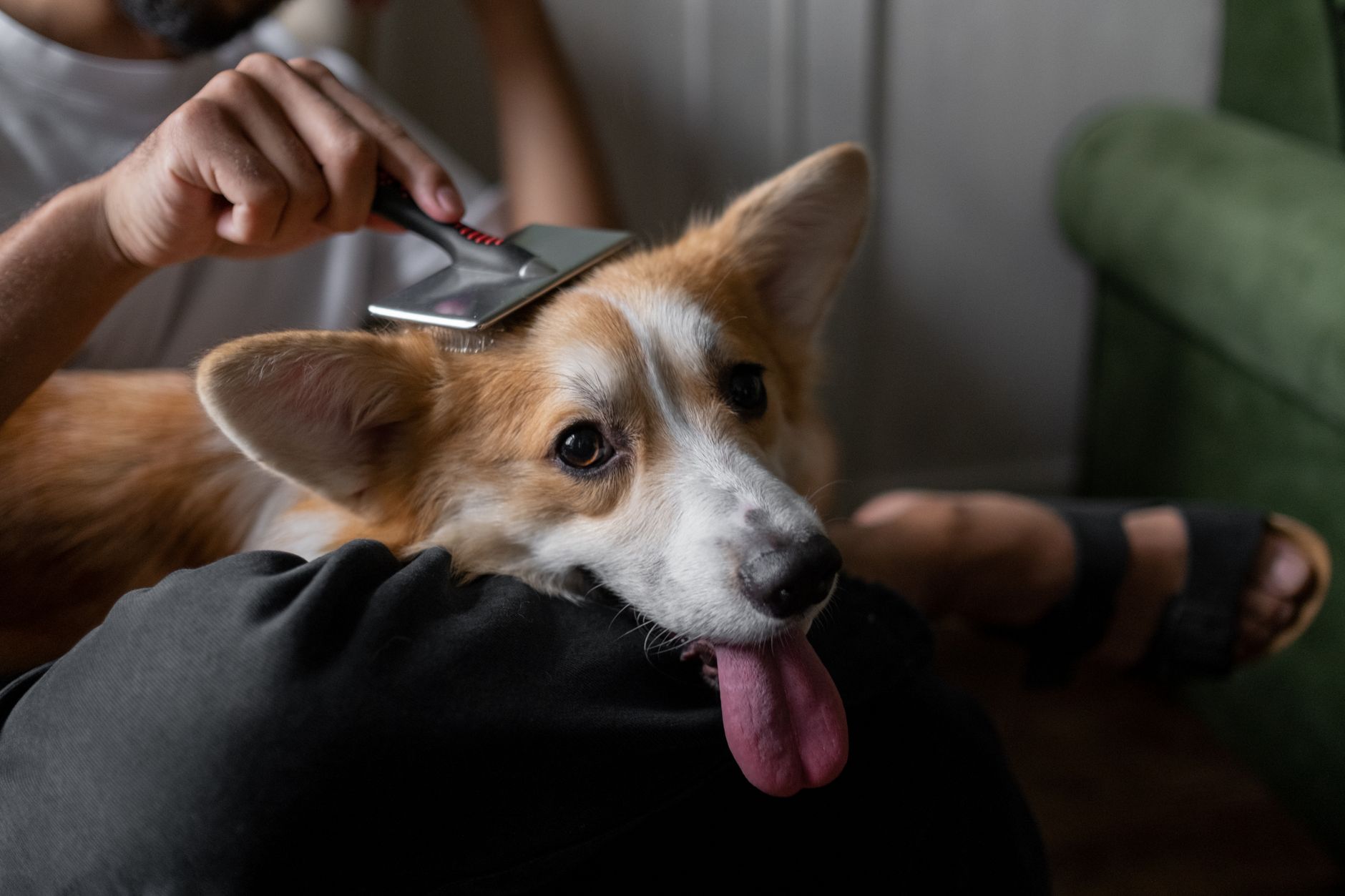
The evening is the period for deeper bonding and restorative care. This is the optimal time for grooming, which serves both a hygienic and a diagnostic purpose. Regular brushing removes loose fur, prevents painful matting, and provides another opportunity to check for parasites or skin irritations.
Comparison of Routine Strategies for Busy Owners
| Strategy | Benefit | Time Commitment |
|---|---|---|
| Automated Feeders | Consistent caloric intake | Minimal |
| Scent-Based Training | High mental fatigue | 10-15 Minutes |
| Professional Daycare | Socialization and exercise | Variable |
| Evening Grooming | Hygiene and health checks | 15-20 Minutes |
| Puzzle Toys | Cognitive engagement | Minimal (Setup) |
Optimizing Environment for Independence
A home environment designed for independence allows pets to manage their own needs more effectively while the owner is occupied. Ensure that the designated living area is free from potential hazards such as electrical cords, toxic household plants, or small objects that could be swallowed.
Providing a comfortable, quiet sanctuary space where the pet can retreat is essential. This space should contain bedding that provides adequate orthopedic support, especially for aging animals. When an animal has a secure base, they are less likely to experience separation-related distress when the owner is focused on work or other tasks.
Prioritizing Preventative Health Care
Busy owners often struggle to keep track of medical requirements. Utilizing a digital calendar or a dedicated pet-care application can help manage vaccination schedules, parasite prevention, and routine wellness exams. Integrating these tasks into a broader life-management system ensures that preventative care is never overlooked due to a hectic calendar.
Consistent weight management is another pillar of preventative care. Use a measuring cup for every meal rather than “free-feeding,” as accurate caloric intake is the most significant factor in preventing weight-related diseases such as diabetes or joint degradation.
Addressing Behavioral Needs Through Routine
Behavioral issues frequently stem from unmet needs for social interaction or physical activity. When an owner is busy, the quality of interaction becomes more important than the quantity. Engaging in “active play”—where the owner is a participant rather than a passive observer—strengthens the bond and provides the animal with necessary social feedback.
If a pet shows signs of stress, such as pacing or excessive grooming, evaluate the daily routine to identify potential gaps. Often, simply adding a five-minute structured training session or a short walk before a high-stress period for the owner can resolve these behavioral challenges.
Frequently Asked Questions
How much exercise does a dog need if I have a very busy work schedule?
Exercise requirements vary by breed, age, and health status. While high-energy breeds require more physical activity, incorporating mental stimulation games can bridge the gap for busy owners. Focus on high-intensity, short-duration activities rather than long, low-intensity sessions.
Are automated pet products safe to use?
Yes, provided they are high-quality and maintained correctly. Automated feeders and water fountains are excellent for maintaining a consistent schedule, but they should be cleaned frequently to prevent bacterial buildup.
How can I tell if my pet is bored during the day?
Signs of boredom include destructive behavior, excessive vocalization, or lethargy. Providing rotating puzzle toys and ensuring the pet has access to a window or a comfortable viewing spot can mitigate these issues.
Is it necessary to groom my pet every single day?
Daily grooming is not required for all breeds, but a quick daily check is recommended. Longer-haired breeds require more frequent brushing to prevent matting, while short-haired breeds may only need weekly attention.
What is the best way to handle a sudden change in my schedule?
If a schedule change is unavoidable, attempt to keep the feeding and walk times as close to the original schedule as possible. If necessary, enlist the help of a neighbor or professional service to maintain the animal’s routine during the transition.
Conclusion
Maintaining a high standard of pet care while managing a busy lifestyle is achievable through deliberate planning and the prioritization of consistency. By focusing on the essential pillars of nutrition, mental engagement, and preventative health, owners can create a stable environment that supports their pet’s well-being.
The transition from a chaotic, reactive approach to a structured, proactive routine benefits both the human and the animal. As the pet learns to rely on the predictability of their daily life, the stress associated with balancing professional responsibilities and animal care diminishes. The investment of time into creating an efficient, routine-based system is repaid in the form of a healthy, calm, and well-adjusted companion. Continue to monitor the pet’s progress, adjust the routine as the animal ages, and remain committed to the small daily habits that ensure long-term health and happiness.
Featured Image Credit: Generated/Sourced via Runware.ai.
Disclaimer: This article is AI-generated for informational and educational purposes. While we strive to provide high-quality context and authority, the content should not be used as professional advice. The author/website assumes no liability for external links or factual omissions.
