
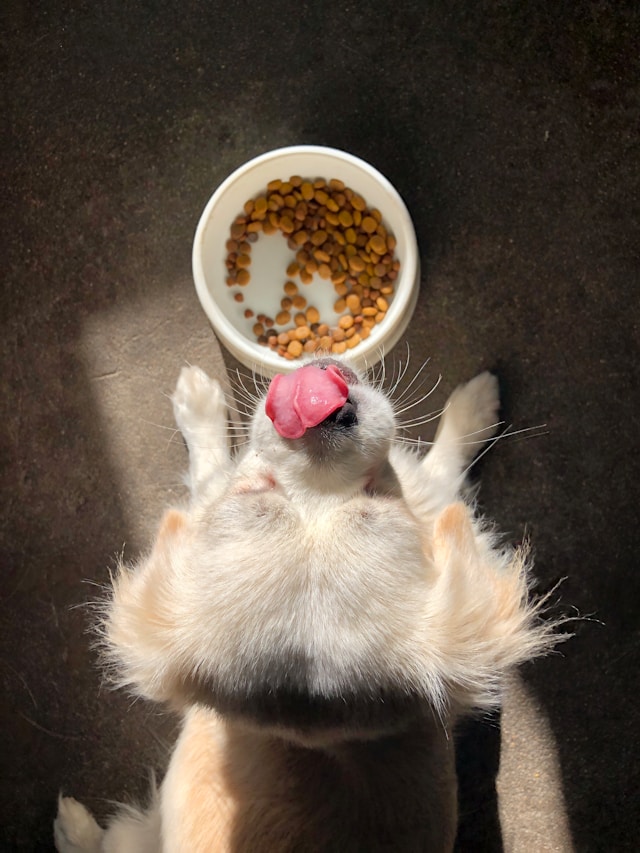
Choosing the right type of food for your cat is one of the most important decisions a pet owner can make. With so many options on the market, it’s easy to feel overwhelmed—especially when the debate between wet and dry cat food seems never‑ending. While both forms can be healthy when balanced properly, each has unique advantages and disadvantages that impact nutrition, hydration, dental health, digestion, and even cost. Understanding these differences can help you make the best choice for your cat’s individual needs, lifestyle, and health goals.
What Makes Wet and Dry Cat Food Different?
At the most basic level, wet and dry cat food differ in moisture content. Wet food, often referred to as canned food, contains a high percentage of water—typically between 70–80%. Dry food (kibble), on the other hand, contains as little as 6–10% moisture. This fundamental difference affects nearly every aspect of nutrition and health.
Beyond water content, wet and dry foods vary in texture, calorie density, carbohydrate levels, and how they’re manufactured. These factors influence how cats digest them, how much they eat, and how each type supports bodily functions like hydration and digestion.
Hydration: A Key Advantage for Wet Food
One of the most significant advantages of wet food is its high moisture content. Cats, by nature, have a low thirst drive and evolved from desert‑dwelling ancestors who obtained most of their hydration from prey. Many domestic cats still struggle to drink enough water from bowls alone, which can put them at risk for urinary tract issues and kidney problems.
Wet food helps keep cats hydrated simply because they consume more water with their meals. This benefit is particularly important for cats prone to urinary tract disease, crystals, or stones, and for older cats whose thirst response may be diminished.
Calorie Density and Weight Management
Dry food is more calorie‑dense than wet food. Because it contains less water, cats can consume a large number of calories in a small volume of kibble without realizing it. This can contribute to weight gain if portions aren’t carefully controlled—especially in indoor, less active cats.
Wet food, with its lower calorie density and higher moisture, often helps cats feel fuller on fewer calories. For overweight or sedentary cats, this can make weight management easier. However, calories still matter, and even wet food can lead to weight gain if overfed. Measuring portions and monitoring body condition is essential regardless of food type.
Dental Health: Myth vs. Reality
Many people assume dry food is better for dental health simply because the crunchy texture can scrape plaque off teeth. While this idea has some intuitive appeal, science doesn’t fully support it. Kibble crunching may have a mild abrasive effect, but it rarely reaches below the gumline where most periodontal disease develops.
Veterinary dental cleanings, regular brushing, and dental chews or treats are far more effective for oral health than relying on dry food alone. Wet food does not provide abrasive action, but that doesn’t mean it causes dental disease by itself. Factors such as genetics, age, chewing behavior, and overall oral hygiene play a larger role.
Digestibility and Nutrient Absorption
Both wet and dry foods can provide complete and balanced nutrition, but there are differences in how nutrients are processed and absorbed. Wet food tends to be highly digestible, and many cats find it more palatable. The high moisture also supports digestion and can ease symptoms for cats with sensitive stomachs.
Dry food formulas vary widely in quality. Premium dry foods often contain high‑quality proteins and digestible ingredients, while cheaper options may rely heavily on fillers like corn, wheat, or soy. These fillers can be harder for some cats to digest and may contribute to digestive upset or food sensitivities.
Feeding Convenience and Cost Considerations
Dry food is undeniably more convenient. It can be left out for free feeding without spoiling, and it’s typically less expensive on a per‑calorie basis. For owners with busy schedules or multiple cats, this convenience can be a major advantage.
Wet food, while more expensive and perishable once opened, offers advantages in hydration and palatability. Many cats prefer the texture and taste of wet food, which can be especially helpful for picky eaters or cats with reduced appetites due to illness or aging.
Choosing a Balanced Approach
Rather than seeing wet and dry food as mutually exclusive, many experts recommend a blended feeding strategy. Offering a mix of wet and dry food allows your cat to enjoy the hydration benefits and palatability of wet food, along with the convenience and texture variation of dry food.
For example, feeding wet food at two meals per day and leaving a measured amount of dry food available can balance hydration, calorie intake, and chewing activity. Another option is rotating wet and dry food daily or using dry food for snacks and enrichment (like puzzle toys) while reserving wet food for main meals.
Special Situations to Consider
Some cats benefit more from one form over the other. Senior cats, cats with urinary or kidney issues, and cats prone to dehydration often do better with a diet higher in wet food. Cats with dental pain may prefer soft food because it’s easier to eat. Conversely, if your cat thrives on dry food and drinks plenty of water otherwise, a high‑quality kibble formula can be perfectly healthy.
Always consult your veterinarian if your cat has specific health concerns. They can recommend the best diet based on age, weight, medical history, and lifestyle.
Making the Final Decision
There is no one‑size‑fits‑all answer to whether wet or dry food is healthier. Each has strengths and limitations:
- Wet food: Excellent for hydration, often more palatable, can support urinary and kidney health.
- Dry food: Convenient, cost‑effective, suitable for free feeding, may offer mild dental benefits.
The healthiest choice depends on your cat’s individual needs, preferences, and health status. Paying attention to quality ingredients, proper portion sizes, and regular veterinary checkups will ensure your cat receives the nutrition they need to live a long, happy life.
With the right approach and careful observation of your cat’s response to food, you can make an informed choice that supports their wellbeing and keeps them vibrant at every stage of life.

