
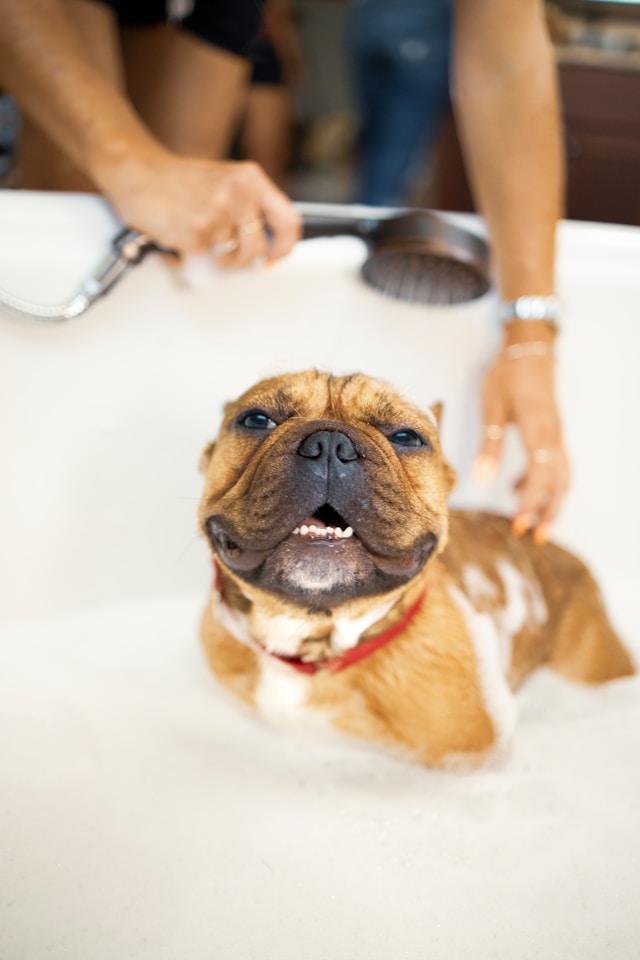
Bathing your pet at home can feel like a daunting task, especially if your dog or cat is anxious around water. However, with the right preparation, techniques, and mindset, you can turn bath time into a calm and safe experience for both you and your pet. Regular baths help maintain a healthy coat, remove dirt and allergens, and prevent skin infections. This guide outlines practical steps to bathe your pet at home without stress and ensure a positive grooming routine.
Prepare the Bathing Area
Before bringing your pet to the water, set up a safe and comfortable bathing area. Dogs can be bathed in a bathtub, shower, or even outside in a large basin during warm weather. Cats are usually easier to bathe in a sink or small tub. Lay down a non-slip mat or towel to prevent slipping and reduce anxiety.
Gather all necessary supplies within reach, including pet-safe shampoo, towels, a cup or handheld sprayer for rinsing, and treats for positive reinforcement. Having everything prepared beforehand prevents leaving your pet unattended during the bath, which can increase stress or accidents.
Brush Your Pet Before Bathing
Brushing your pet before a bath removes loose hair, mats, and tangles. This step is especially important for long-haired dogs and cats, as wetting matted fur can make it tighter and harder to detangle. Brushing also stimulates the skin and helps distribute natural oils, enhancing the effectiveness of the bath.
Use the Right Water Temperature
Water that is too hot or too cold can make bath time uncomfortable or even unsafe. Lukewarm water is ideal for most pets. Test the water on your wrist before starting, ensuring it’s comfortable but not scalding.
Introduce Your Pet to Water Gradually
Many pets are wary of water, so gradual exposure is key. Start by wetting their feet and legs first, using gentle streams of water. Speak softly and use reassuring tones. Slowly work your way up the body, avoiding the head initially. For cats, using a damp washcloth to clean the body may be less stressful than pouring water over them.
Use Pet-Safe Shampoo
Always use shampoos formulated specifically for pets. Human shampoos can irritate a pet’s sensitive skin and disrupt natural oils. Apply shampoo gently, massaging it into the fur and skin. Focus on dirty or smelly areas but avoid excessive scrubbing, which can cause irritation. For pets with sensitive skin or allergies, consider hypoallergenic or oatmeal-based shampoos.
Rinse Thoroughly
Proper rinsing is essential to remove all shampoo residues, which can cause itching or dryness if left behind. Use a cup, handheld sprayer, or gentle showerhead to rinse thoroughly, making sure to reach under the legs, belly, and tail. For cats, rinse carefully with minimal water near the face, using a damp washcloth to clean delicate areas.
Clean the Head and Face Last
The head and face are sensitive areas, so save them for last. For dogs, use a damp washcloth to clean around the eyes, ears, and mouth. Avoid getting water directly in the ears, eyes, or nose. For cats, a gentle wipe with a damp cloth is usually sufficient. Using pet-specific wipes can also help clean the face without causing stress.
Dry Your Pet Properly
After the bath, gently squeeze excess water from the fur using your hands, then wrap your pet in a soft towel. Pat the coat dry rather than rubbing vigorously, as rubbing can tangle the fur. Long-haired pets may benefit from using a blow dryer on a low, cool setting, keeping it at a safe distance to avoid burns or frightening noise.
Reward and Reassure
Positive reinforcement helps your pet associate bath time with pleasant experiences. Give treats, praise, and gentle petting throughout the process. Offering a favorite toy or engaging in play after the bath can further reinforce good behavior and reduce anxiety for future grooming sessions.
Maintain a Regular Bathing Schedule
The frequency of baths depends on your pet’s breed, coat type, and lifestyle. Dogs generally benefit from baths every one to three months, while cats usually need less frequent bathing unless they get dirty or have skin conditions. Regular brushing between baths also helps maintain coat health and reduces the need for frequent full baths.
Monitor Your Pet’s Skin and Coat
Bath time is a good opportunity to check for skin issues, lumps, fleas, ticks, or unusual odors. Early detection allows for prompt veterinary care if needed. Maintaining a grooming routine that includes baths, brushing, and nail care ensures your pet stays healthy, comfortable, and happy.
Conclusion
Bathing your pet at home doesn’t have to be stressful. With careful preparation, the right tools, gradual introduction to water, and positive reinforcement, you can make bath time a safe and enjoyable experience. Regular baths and proper grooming contribute to a healthy coat, clean skin, and a happy, relaxed pet. Consistency and patience are key to building a positive grooming routine that benefits both you and your animal companion.

