
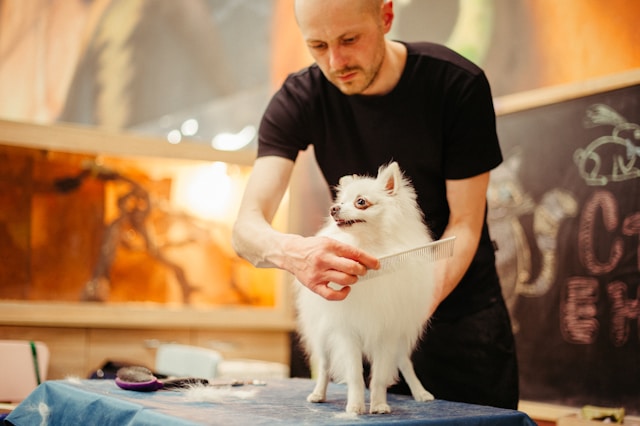
Grooming is more than just keeping your dog looking nice. It plays a huge role in their comfort, skin health, and overall wellbeing. However, one of the biggest mistakes dog owners make is assuming all dogs need the same grooming routine. In reality, how often you groom your dog depends heavily on their breed, coat type, lifestyle, and even the climate they live in.
Understanding your dog’s grooming needs can prevent skin problems, reduce shedding, and strengthen the bond between you and your pet. This guide breaks down how often different types of dogs should be groomed and what you should be paying attention to for each breed category.
Short-Haired Breeds and Low-Maintenance Coats
Dogs with short, smooth coats are generally the easiest to maintain. Breeds like Beagles, Dobermans, Boxers, and Dachshunds fall into this category. Their coats don’t trap as much dirt, and they rarely develop mats or tangles.
For these dogs, brushing once a week is usually enough to remove loose hair and distribute natural oils across the coat. This keeps their skin healthy and adds shine without overdoing it. Bathing should only happen every one to three months unless they get particularly dirty or smelly. Overbathing can strip their skin of natural oils, which may lead to dryness or irritation.
Nail trimming, ear cleaning, and dental care are still essential, even for low-maintenance breeds. Checking for signs of skin irritation, fleas, or ticks during weekly brushing sessions can help catch problems early.
Medium-Haired Breeds
Medium-haired breeds, such as Cocker Spaniels, Border Collies, and Bulldogs, require more attention than short-haired dogs. Their fur is prone to tangles and mats if neglected, and they may shed more seasonally.
Brushing two to three times per week helps remove loose hair and prevent tangles. Bathing should generally occur every six to eight weeks, but if your dog enjoys outdoor activities or gets dirty frequently, more frequent baths may be necessary. Special attention should be given to areas prone to matting, such as behind the ears, under the legs, and around the tail.
Some medium-haired dogs benefit from professional grooming every few months, especially if their coat grows continuously or requires trimming. Regular grooming sessions also give you a chance to check for any unusual lumps, bumps, or skin issues.
Long-Haired Breeds
Long-haired breeds like Shih Tzus, Afghan Hounds, and Yorkshire Terriers demand consistent care to prevent mats, tangles, and skin irritation. Without proper grooming, their fur can easily become a breeding ground for dirt and parasites.
Daily brushing is ideal for long-haired breeds to keep the coat smooth and free of knots. Depending on your dog’s lifestyle, professional grooming every four to six weeks is often necessary to maintain coat length and shape. Bathing should occur approximately every four to six weeks using gentle shampoos designed for dogs, but some owners may extend the period if the coat remains clean.
For long-haired dogs, trimming around the eyes, paws, and sanitary areas is particularly important to prevent discomfort and infection. Regular ear cleaning is also critical, as long hair can trap moisture and debris, increasing the risk of ear infections.
Curly or Double-Coated Breeds
Breeds such as Poodles, Bichon Frises, Golden Retrievers, and Samoyeds often have curly or double coats that require unique care. Double coats have an undercoat of soft hair beneath a topcoat of longer, protective hair. These coats help regulate body temperature but also make grooming more challenging.
Curly-coated and double-coated dogs typically need brushing several times a week to remove loose undercoat hairs and prevent matting. During shedding season, daily brushing may be necessary. Bathing should be done every four to six weeks for curly coats, while double-coated breeds may only require a bath every two to three months.
Professional grooming is often recommended for these breeds. Curly coats, in particular, can become very difficult to manage if allowed to grow unchecked, while double coats require careful handling to avoid cutting the protective undercoat incorrectly.
Other Grooming Considerations
Regardless of breed, several grooming tasks are universal. Nail trimming should be done every three to four weeks, or whenever you hear nails clicking on the floor. Ear cleaning is important for preventing infections, especially for dogs with floppy ears. Dental hygiene is critical to avoid periodontal disease, which can affect overall health.
Additionally, grooming sessions are a good opportunity to check for fleas, ticks, and skin abnormalities. Regular inspections can help you catch problems early, reducing the need for veterinary intervention later.
Conclusion
Grooming frequency varies significantly depending on your dog’s breed, coat type, and lifestyle. Short-haired dogs require minimal maintenance, while long-haired and curly-coated breeds demand more consistent attention. Regardless of coat type, regular grooming promotes a healthy coat, prevents skin problems, and strengthens your bond with your dog. By understanding your dog’s specific needs and maintaining a consistent grooming routine, you ensure they remain happy, healthy, and comfortable throughout their life.

