
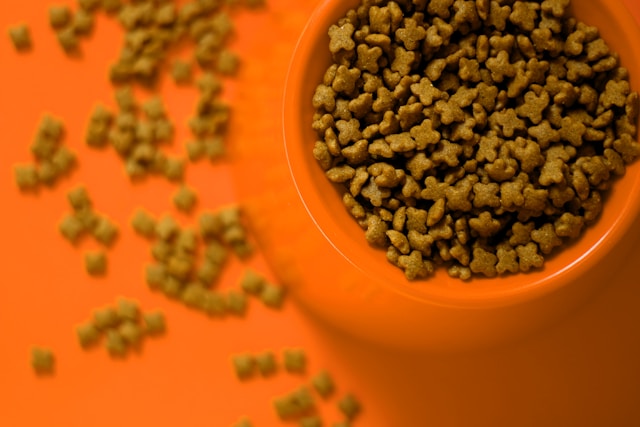
While pet food is specifically formulated to meet your dog’s or cat’s nutritional needs, certain human foods can be safe and even beneficial as occasional treats. Sharing small amounts of the right foods can provide variety, extra nutrients, and opportunities for bonding. However, it is important to know which foods are safe, how to prepare them, and how much to offer. Feeding pets inappropriate foods can cause digestive upset, toxicity, or long-term health issues.
Fruits That Are Safe for Pets
Many fruits are safe for dogs and cats in moderation. Apples, for example, are rich in fiber and vitamin C. Make sure to remove seeds and the core, as apple seeds contain small amounts of cyanide, which can be harmful. Blueberries are another excellent choice, packed with antioxidants that support overall health.
Bananas are safe and provide potassium and natural sugars for energy. Strawberries, watermelon (seedless), and cantaloupe are also suitable, offering hydration and vitamins. Introduce fruits gradually and in small pieces to prevent digestive upset. Avoid grapes and raisins, which are toxic to dogs and can cause kidney failure, and citrus fruits, which may cause gastrointestinal irritation in some pets.
Vegetables That Are Safe for Pets
Vegetables can be a nutritious addition to your pet’s diet. Carrots are low in calories, high in fiber, and provide a satisfying crunch. Green beans and cucumbers are also safe, hydrating, and low in calories, making them excellent treats for overweight pets.
Sweet potatoes are nutritious and can be steamed or baked, offering fiber, vitamins, and antioxidants. Leafy greens such as spinach or kale can be given in small amounts, but avoid feeding large quantities due to oxalates, which may interfere with calcium absorption. Never feed onions, garlic, leeks, or chives, as these vegetables are toxic to both dogs and cats.
Lean Meats and Proteins
Cooked lean meats such as chicken, turkey, and beef are excellent protein sources for pets. Remove skin, bones, and excess fat, and avoid seasoning or sauces that may contain salt, garlic, or onion. Fish such as salmon or sardines can be given cooked and boneless, providing omega-3 fatty acids that support skin, coat, and heart health.
Eggs are another safe option when cooked fully, offering protein, vitamins, and minerals. Raw eggs are not recommended due to the risk of salmonella. Avoid processed meats like bacon, ham, and sausages, which are high in salt and preservatives and can be harmful to pets.
Dairy Products in Moderation
Some pets can tolerate small amounts of dairy. Plain yogurt or cottage cheese can provide calcium and probiotics that support digestion. Start with tiny portions to ensure your pet does not have lactose intolerance, which can lead to diarrhea or gas. Avoid sweetened, flavored, or artificially enhanced dairy products that contain sugar or xylitol, a sweetener that is toxic to dogs.
Grains and Carbohydrates
Cooked rice, oats, and plain pasta can be safe for pets and serve as a source of energy. Brown rice and oatmeal provide fiber and can aid digestion, while plain pasta in small amounts is generally safe. Avoid sauces, butter, or seasonings, as these can upset your pet’s stomach and add unnecessary calories.
Tips for Sharing Human Food Safely
- Moderation is key: Human foods should only make up a small portion of your pet’s diet. Treats should not exceed 10% of daily caloric intake.
- Avoid toxic foods: Chocolate, caffeine, alcohol, grapes, raisins, onions, garlic, macadamia nuts, and xylitol are all dangerous for pets.
- Cut foods into small, manageable pieces: This reduces the risk of choking and makes it easier for pets to eat.
- Introduce new foods gradually: Watch for signs of digestive upset, allergies, or intolerance.
- Cook foods thoroughly when needed: Raw meats, eggs, and certain vegetables should be properly cooked to ensure safety.
Conclusion
Sharing safe human foods with your pet can be a fun and healthy way to supplement their diet. Fruits, vegetables, lean meats, dairy, and grains provide valuable nutrients and variety when given in moderation. Always avoid toxic foods and introduce new treats slowly to monitor your pet’s reaction. By choosing wisely and following these guidelines, you can provide tasty, nutritious additions that your pet will enjoy while keeping them safe and healthy.

