
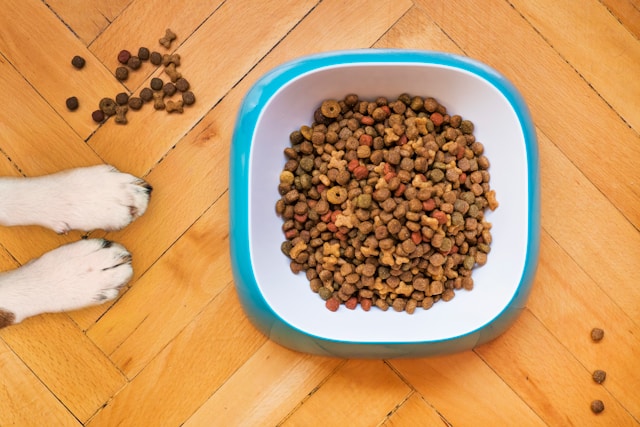
Feeding your dog the right food is essential for their overall health, growth, and longevity. Dogs have different nutritional needs depending on their age, size, breed, and activity level. Puppies, adult dogs, and seniors require specific diets to support their development, energy levels, and health. Similarly, small, medium, and large breeds have unique requirements due to differences in metabolism, digestion, and risk factors for certain health issues. Understanding these factors helps you select the best food for your dog and ensures they thrive at every stage of life.
Consider Your Dog’s Life Stage
Dogs have different nutritional needs at various stages of life. Puppies require food rich in protein, fat, and essential nutrients to support rapid growth and brain development. Puppy formulas are designed with the right balance of calcium and phosphorus to promote healthy bones and teeth.
Adult dogs, typically aged one to seven years, need a balanced diet to maintain energy and support overall health. Adult dog food formulas provide moderate protein and fat levels to prevent weight gain while keeping muscles strong.
Senior dogs, generally over seven years old, may require diets lower in calories but higher in fiber to support digestive health. Senior formulas often include supplements for joint support, such as glucosamine and chondroitin, and antioxidants to promote cognitive health. Feeding age-appropriate food helps prevent obesity, nutrient deficiencies, and age-related health problems.
Account for Your Dog’s Size and Breed
Size plays a significant role in determining the right dog food. Small breeds, like Chihuahuas or Yorkshire Terriers, have faster metabolisms and may require calorie-dense foods to meet energy needs. Their kibble is often smaller and easier to chew.
Medium breeds, such as Beagles or Cocker Spaniels, benefit from balanced formulas that provide moderate calories, protein, and fat for energy and muscle maintenance. Large breeds, including Labradors, Golden Retrievers, and German Shepherds, require food that supports joint health, controlled growth, and weight management. Large breed formulas often include lower calorie content and supplements like glucosamine to prevent hip and joint issues.
Check Nutritional Labels
When selecting dog food, reading and understanding the nutritional label is crucial. Look for foods that list high-quality protein, such as chicken, beef, or fish, as the first ingredient. Avoid foods with excessive fillers, artificial colors, flavors, or by-products. Essential nutrients like vitamins, minerals, and fatty acids are important for coat health, immune support, and overall vitality.
Consider the guaranteed analysis, which provides percentages of protein, fat, fiber, and moisture. This helps ensure the food meets your dog’s specific dietary needs based on age, size, and activity level.
Consider Special Dietary Needs
Some dogs have unique dietary requirements due to health conditions or sensitivities. Dogs with allergies, digestive issues, or kidney problems may require specialized formulas recommended by a veterinarian. Weight management diets are also important for overweight dogs or breeds prone to obesity. Choosing the appropriate food tailored to your dog’s specific health needs can prevent complications and improve quality of life.
Decide Between Dry, Wet, or Mixed Diets
Dog food comes in dry kibble, wet canned food, or a combination of both. Dry kibble is convenient, helps maintain dental health, and has a longer shelf life. Wet food can be more palatable and easier to digest, especially for puppies, seniors, or dogs with dental issues. Many owners use a mix of dry and wet food to balance nutrition, texture, and hydration. Always ensure the food meets complete and balanced standards.
Transitioning to New Food
When introducing a new food, do so gradually to prevent digestive upset. Start by mixing a small amount of the new food with the current diet and gradually increase the new food over seven to ten days. Monitor your dog’s stool, appetite, and overall behavior during the transition. Sudden changes can cause diarrhea or vomiting, so a slow adjustment is essential.
Monitor Your Dog’s Weight and Health
Regularly monitoring your dog’s weight, energy levels, and coat condition helps determine if their diet is appropriate. Dogs that gain weight too quickly may need fewer calories or a diet formulated for weight management. Dogs with dull coats, low energy, or digestive issues may require dietary adjustments or consultation with a veterinarian.
Consult Your Veterinarian
Your veterinarian can provide valuable guidance when selecting the best food for your dog’s age, size, and health. They can recommend specific brands, formulas, or supplements tailored to your dog’s needs. Regular checkups ensure that your dog’s diet supports their growth, activity level, and long-term well-being.
Conclusion
Choosing the right food for your dog requires careful consideration of age, size, breed, and health needs. Puppies, adults, and seniors have different nutritional requirements, and small, medium, and large breeds benefit from diets tailored to their metabolism and growth patterns. By reading labels, considering special dietary needs, monitoring your dog’s health, and consulting with a veterinarian, you can ensure your pet receives the proper nutrition to thrive throughout their life. Proper diet not only supports physical health but also contributes to a happy, energetic, and long-lived companion.

