
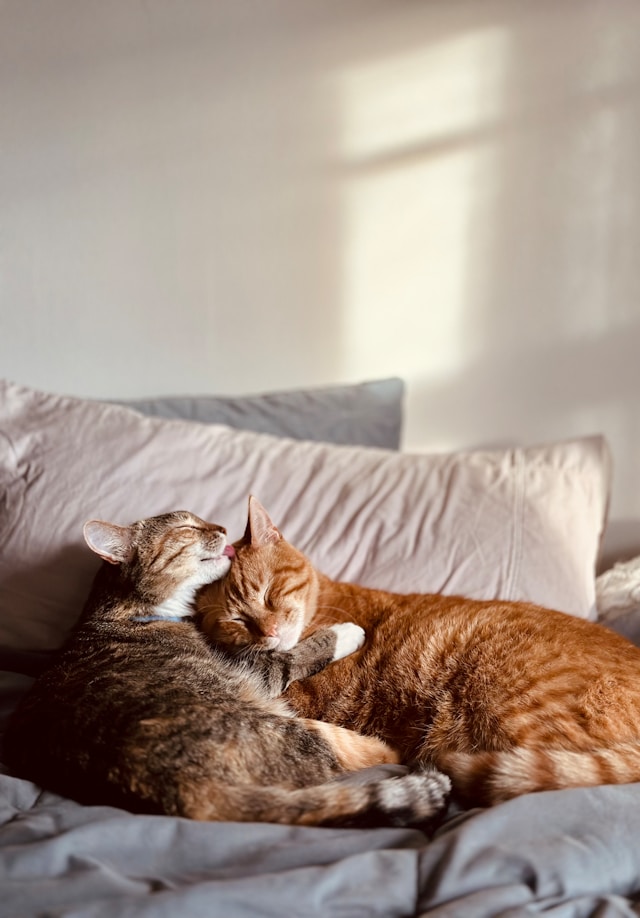
Creating a safe and comfortable home for your pet is one of the most important responsibilities you have as an owner. Pets are naturally curious, and without proper precautions, everyday household items can become potential hazards. A well-prepared environment not only prevents accidents but also helps your pet feel secure and relaxed. Whether you’ve just brought a new pet home or want to improve your current setup, making your living space pet-friendly is essential for their health and happiness.
Understanding Your Pet’s Behavior
The first step in creating a safe environment is understanding how your pet interacts with their surroundings. Dogs often explore by chewing, while cats tend to climb and jump onto high surfaces. Smaller pets may squeeze into tight spaces or chew on objects within reach.
By observing your pet’s habits, you can identify potential risks in your home. For example, if your dog tends to chew on items, leaving electrical cords exposed can be dangerous. If your cat enjoys climbing, unstable shelves or furniture could pose a risk. Knowing these behaviors allows you to take preventive action.
Pet-Proofing Your Living Space
Pet-proofing is similar to child-proofing but tailored to your pet’s specific needs. Start by securing or removing items that could be harmful. Electrical wires should be covered or hidden to prevent chewing. Small objects like coins, rubber bands, or buttons should be kept out of reach, as they can be swallowed.
Cabinets containing cleaning products, medications, or chemicals should be tightly closed or locked. Many household substances are toxic to pets, even in small amounts. Trash bins should also be secured to prevent pets from accessing harmful or spoiled food.
Taking the time to pet-proof your home significantly reduces the risk of accidents and injuries.
Choosing Pet-Safe Furniture and Materials
Your furniture and home materials can have a big impact on your pet’s safety. Avoid fragile or easily breakable items in areas your pet frequently uses. Sharp edges on furniture can cause injuries, especially for energetic pets.
Opt for durable, pet-friendly fabrics that are easy to clean and resistant to scratching or chewing. Non-slip rugs can help prevent slips and falls, particularly for older pets or those with mobility issues.
If you have houseplants, make sure they are non-toxic to pets. Many common plants can be harmful if ingested, so it’s important to research and choose safe options.
Creating a Comfortable Resting Area
Every pet needs a designated space where they can rest and feel secure. This could be a cozy bed, a crate, or a quiet corner of the house. The area should be free from noise, drafts, and constant foot traffic.
Providing a comfortable resting spot helps reduce stress and gives your pet a sense of ownership over their space. Make sure the bedding is clean, soft, and appropriate for the season—cool in summer and warm in winter.
Having a dedicated area also helps with training and routine, making your pet feel more settled in your home.
Managing Temperature and Ventilation
Pets are sensitive to temperature changes, so maintaining a comfortable indoor climate is essential. During hot weather, ensure your home is well-ventilated and provide access to cool areas and fresh water. Avoid leaving pets in rooms that can overheat quickly.
In colder months, make sure your pet has a warm place to rest and is not exposed to drafts. Some pets, especially smaller breeds or those with short fur, may need extra warmth.
Proper ventilation is also important for air quality. Avoid exposing your pet to smoke, strong cleaning chemicals, or other pollutants that could affect their respiratory health.
Securing Doors, Windows, and Outdoor Areas
Doors and windows can be potential escape routes if not properly secured. Make sure screens are intact and strong enough to prevent pets from pushing through them. Balconies should be secured to prevent falls, especially for cats.
If you have a yard, ensure it is fully fenced and free from hazards such as sharp objects or toxic plants. Gates should be secure to prevent your pet from wandering off.
Identification is also important. Collars with tags and microchips can help ensure your pet is returned safely if they ever get lost.
Organizing Food and Feeding Areas
Your pet’s feeding area should be clean, accessible, and separate from high-traffic zones. This helps reduce stress during mealtime and prevents contamination.
Store pet food in sealed containers to keep it fresh and prevent pests. Avoid leaving human food within reach, as many foods can be harmful to pets.
Consistency in feeding locations and schedules helps your pet feel more secure and supports healthy eating habits.
Providing Safe Toys and Entertainment
Toys play an important role in keeping your pet mentally and physically stimulated, but not all toys are safe. Choose toys that are appropriate for your pet’s size and chewing strength. Avoid items that can easily break into small pieces or pose a choking hazard.
Regularly inspect toys for signs of wear and replace them if they become damaged. Rotating toys can keep your pet engaged and prevent boredom.
Providing safe entertainment options reduces destructive behavior and helps your pet stay active and happy.
Reducing Stress and Creating a Calm Environment
A peaceful home environment contributes to your pet’s emotional well-being. Loud noises, sudden changes, or chaotic surroundings can cause stress and anxiety.
Try to maintain a consistent routine and provide a quiet space where your pet can retreat when needed. During stressful events like thunderstorms or celebrations, offering comfort and reassurance can help your pet feel safe.
Using calming techniques such as soft music or familiar scents can also create a more relaxing atmosphere.
Being Prepared for Emergencies
Accidents can happen even in the safest homes, so being prepared is important. Keep a basic pet first aid kit on hand and know the location of the nearest veterinary clinic.
Have a plan in case of emergencies, such as fires or natural disasters. Ensure your pet can be quickly and safely evacuated if necessary. Keeping important items like food, water, and identification ready can make a big difference in urgent situations.
Preparation ensures you can respond quickly and effectively when needed.
Conclusion
Creating a safe and pet-friendly home environment is an ongoing process that requires attention and care. By understanding your pet’s behavior, removing hazards, and providing a comfortable and secure space, you can significantly improve their quality of life.
A well-prepared home not only protects your pet from harm but also allows them to explore, play, and relax with confidence. The effort you invest in making your home safe will be rewarded with a happier, healthier companion who feels truly at home by your side.

