
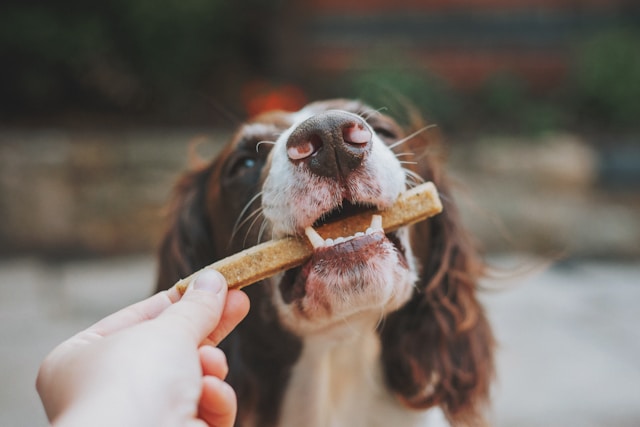
A healthy diet is essential for your pet’s overall well-being, energy, and longevity. Just like humans, pets may require adjustments to their diet as they age, experience changes in activity level, or develop health issues. Recognizing the signs that your pet’s diet may no longer be suitable is critical for maintaining their health and preventing long-term problems. Being attentive to changes in behavior, appearance, and digestion can help you make timely dietary adjustments.
Changes in Weight
One of the most obvious signs that your pet’s diet may need adjustment is a sudden change in weight. Unexplained weight gain can indicate overfeeding, an imbalance in calories, or low activity levels. Conversely, rapid weight loss may signal inadequate nutrition, illness, or poor absorption of nutrients. Monitoring your pet’s weight regularly helps identify problems early. If your pet appears overweight or underweight, consult your veterinarian to determine an appropriate feeding plan and portion sizes.
Dull or Shaggy Coat
A healthy coat should be shiny, smooth, and free from excessive shedding or bald spots. If your pet’s fur appears dull, brittle, or patchy, it may be a sign of nutritional deficiencies. Essential fatty acids, protein, and vitamins are crucial for maintaining skin and coat health. Switching to a higher-quality food or one enriched with omega-3 and omega-6 fatty acids can improve coat condition over time.
Digestive Issues
Frequent vomiting, diarrhea, constipation, or excessive gas can indicate that your pet’s diet is not agreeing with them. Food intolerances, low-quality ingredients, or sudden diet changes can all lead to digestive upset. Pets with sensitive stomachs may require specially formulated diets, such as easily digestible proteins or limited-ingredient foods. Tracking the frequency and type of digestive issues can help your veterinarian recommend an appropriate diet.
Low Energy or Lethargy
If your pet seems unusually tired, sluggish, or disinterested in activities they normally enjoy, it may be linked to their diet. Nutrient deficiencies or insufficient calories can lead to low energy levels. Ensuring your pet receives a balanced diet with adequate protein, fats, and vitamins is essential for maintaining vitality and activity. A veterinarian can help determine if dietary adjustments or supplements are needed.
Behavioral Changes
Diet can also influence behavior. Pets that are irritable, anxious, or exhibit sudden changes in temperament may be experiencing nutritional imbalances. While behavior can have many causes, a poor diet or lack of certain nutrients, such as B vitamins or amino acids, can contribute to behavioral changes. Observing patterns in behavior in relation to meals can provide insight into potential dietary issues.
Excessive Thirst or Urination
Increased thirst or urination may indicate that your pet’s diet is too high in salt, or it could signal underlying health problems such as kidney disease or diabetes. Wet food can help hydrate pets, while certain dry foods may contribute to dehydration if not balanced with sufficient water intake. Monitoring your pet’s water consumption and consulting a veterinarian if these signs appear is important for proper dietary management.
Poor Dental Health
Dental issues such as bad breath, excessive tartar, or gum inflammation can be influenced by diet. Dry kibble may help reduce plaque buildup to some extent, but nutritional deficiencies can also affect oral health. Incorporating dental treats, specialized diets, or regular veterinary dental care can help maintain healthy teeth and gums.
Frequent Allergies or Skin Irritations
Persistent itching, redness, or recurrent ear infections can sometimes indicate food allergies or sensitivities. Common triggers include certain proteins, grains, or additives in pet food. If your pet exhibits signs of allergies, a limited-ingredient or hypoallergenic diet may be necessary. Working with your veterinarian to identify the cause is crucial for effective management.
Age-Related Changes
As pets age, their nutritional needs change. Puppies and kittens require food high in protein and fat for growth, while senior pets may benefit from diets lower in calories and enriched with joint-supporting nutrients. Even healthy adult pets may need diet adjustments as their metabolism slows or they develop health conditions. Monitoring your pet’s overall health and adjusting their diet accordingly can promote longevity and quality of life.
Conclusion
Recognizing the signs that your pet’s diet needs to change is essential for their health, comfort, and happiness. Weight fluctuations, dull coat, digestive issues, low energy, behavioral changes, and age-related needs are all indicators that dietary adjustments may be necessary. Regular observation, paired with guidance from a veterinarian, ensures your pet receives the proper nutrition at every stage of life. Adjusting your pet’s diet proactively can prevent health problems, enhance vitality, and help your companion enjoy a long, healthy life.

