
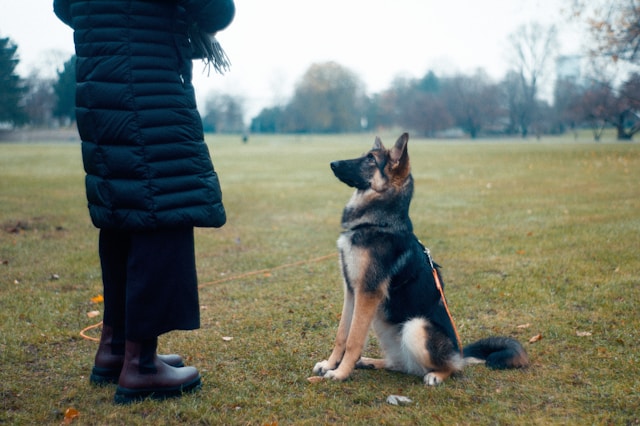
Puppy biting and chewing are natural behaviors, but they can quickly become frustrating if not addressed early. Puppies explore the world with their mouths, teethe on objects, and test boundaries. While some nipping is normal, learning to manage and redirect this behavior is essential for both your puppy’s safety and your household items. Effective training, patience, and consistency are key to teaching your puppy appropriate behavior.
Understanding Why Puppies Bite and Chew
Biting and chewing are instinctual for puppies. Teething causes discomfort, prompting them to chew to relieve pain in their gums. Chewing also provides mental stimulation and helps them explore their environment. Puppies may bite during play to engage with their owners or littermates, mimicking natural social behavior.
Recognizing the reasons behind biting helps you respond appropriately. Puppies are not being malicious; they are learning and communicating. Guiding them toward acceptable behaviors ensures they grow into well-mannered adult dogs.
Provide Appropriate Chew Toys
One of the most effective strategies for managing biting and chewing is providing appropriate outlets. Invest in durable, safe chew toys designed for teething puppies. Rubber toys, rope toys, and soft dental chews can soothe gums and satisfy the urge to chew. Rotate toys to keep your puppy interested and prevent boredom, which can lead to destructive chewing.
When your puppy starts chewing on furniture, shoes, or other inappropriate items, redirect them immediately to a chew toy. Praise and reward them when they choose the toy, reinforcing positive behavior.
Teach Bite Inhibition
Bite inhibition is the ability for a puppy to control the force of their bite. Teaching this early prevents painful nips from developing into a harmful habit. One method is to let out a high-pitched “ouch” or yelp when your puppy bites too hard during play. This mimics how littermates communicate and signals that the bite hurt. Pause the interaction briefly to show that rough biting ends playtime.
Gradually, your puppy learns to moderate their bite pressure, distinguishing between gentle mouthing and hard biting. Consistency is crucial, and all family members should respond the same way to enforce the lesson effectively.
Use Positive Reinforcement
Positive reinforcement encourages good behavior. Reward your puppy with treats, praise, or play when they chew toys instead of furniture, or when they play gently without biting. This helps them associate appropriate behavior with positive outcomes. Avoid punishing your puppy for biting, as this can create fear or aggression. Redirection and rewards are far more effective than negative reinforcement.
Establish Boundaries and Consistency
Setting clear boundaries is essential. Puppies need to understand which behaviors are acceptable and which are not. Use consistent commands such as “no bite” or “leave it” when redirecting unwanted chewing. Consistency across all family members helps the puppy learn more quickly.
Limit access to areas where your puppy might chew inappropriately until they have learned proper behavior. Baby gates or crates can help manage their environment and prevent destructive habits.
Increase Physical and Mental Stimulation
Biting and chewing often stem from excess energy or boredom. Ensure your puppy gets enough physical exercise through walks, play sessions, and interactive toys. Mental stimulation, such as puzzle toys or training exercises, can also reduce destructive behaviors by keeping their mind engaged. A tired puppy is less likely to engage in unwanted chewing or biting.
Socialize Your Puppy
Proper socialization helps puppies learn how to interact with other dogs and humans. Supervised play with other vaccinated puppies or dogs teaches them bite inhibition and appropriate social behavior. Exposure to different environments, people, and sounds also reduces anxiety-driven biting, helping your puppy remain calm in new situations.
Monitor Teething Periods
Teething can be particularly uncomfortable for puppies, usually occurring between three to six months of age. During this time, chewing will increase naturally. Provide extra chew toys and cold or frozen treats to soothe sore gums. Understanding that teething is temporary helps you manage frustration and maintain consistency in training.
Conclusion
Stopping a puppy from biting and chewing requires patience, consistency, and guidance. By providing appropriate chew toys, teaching bite inhibition, reinforcing positive behavior, and ensuring sufficient physical and mental stimulation, you can redirect natural instincts into acceptable outlets. Early training and socialization set the foundation for a well-behaved adult dog, preventing frustration and promoting a safe, harmonious home environment.

